
Summary
✓Reviewed by Emma ThompsonIn Singapore, the government's career guidance puts an indicative shoutcaster salary at roughly S$3,000 to S$4,500 a month, yet almost none of that income starts with a job application. It starts with a YouTube channel, a Twitch...
Table of contents
- 1 What Does an Esports Shoutcaster Actually Do?
- 2 How Singapore’s Esports Scene Got Here
- 3 Step One: Build a Public Portfolio Before Anyone Asks
- 4 Step Two: Master Both Modes of Commentary
- 5 Step Three: Enter Through Community and Amateur Tournaments
- 6 Why Interviewing and Analysis Skills Extend the Career Path
- 7 Esports News Reporting vs. Esports Commentary: Where Casters Fit
- 8 The Commercial Reality Behind the Microphone
- 9 Table: Typical Entry Points Along the Caster Career Path
- 10 Table: Singapore Esports Market Context for Casters
- 11 What This Guide Does Not Cover
- 12 Usein kysytyt kysymykset
- 12.1 Do I need a formal qualification to become an esports shoutcaster in Singapore?
- 12.2 How much do esports casters earn in Singapore?
- 12.3 What platforms should a new caster use to build a portfolio?
- 12.4 What is the difference between play-by-play and analytical commentary?
- 12.5 Can casting lead to other esports broadcast roles?
- 12.6 Is there enough industry growth in Singapore to support more paid casting roles?
- 13 Key Takeaways
- 14 Lähteet
In Singapore, the government’s career guidance puts an indicative shoutcaster salary at roughly S$3,000 to S$4,500 a month, yet almost none of that income starts with a job application. It starts with a YouTube channel, a Twitch stream, and hours of unpaid commentary on matches nobody else is watching. This is the esports caster career path: how shoutcasters break into the scene, and in Singapore, it is becoming a recognised, if still informal, profession.
What Does an Esports Shoutcaster Actually Do?
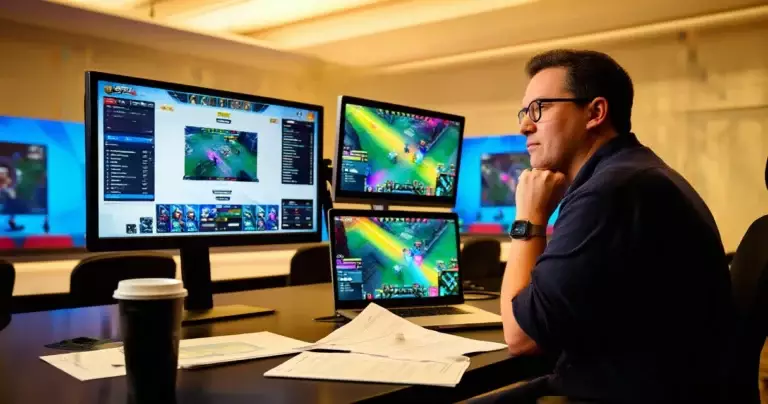
A shoutcaster is a commentator and analyst who narrates live matches, builds excitement for the audience, and explains what is happening on screen in real time. According to Singapore’s official career profile for the role, the job splits into two distinct functions: fast-paced play-by-play commentary during live action, and slower analytical commentary that explains tactics, team form, and strategic decisions between plays. Preparation is treated as core to the job, not an extra, with casters expected to research participating teams before a match and deliver analysis before, during, and after the broadcast.
Interviewing is also part of the expected skill set. The same government guidance includes pre- and post-match interviews with players, coaches, and other participants as a core duty, which means a caster’s career path often runs through broadcast presentation into interviewing and production roles over time.
How Singapore’s Esports Scene Got Here
Singapore’s esports infrastructure did not appear overnight. The city-state now hosts the headquarters of the Global Esports Federation, reinforcing its position as a regional hub for competitive gaming governance and events. That institutional presence has coincided with a build-out of the commercial ecosystem around it, from tournament organisers to broadcast production houses, creating more entry points for aspiring casters than existed even a few years earlier.
By October 2026, the Ministry of Culture, Community and Youth was describing Singapore as home to more than 200 game-development and publishing companies, framing the country as a major regional media and entertainment centre rather than a niche gaming market.
Step One: Build a Public Portfolio Before Anyone Asks
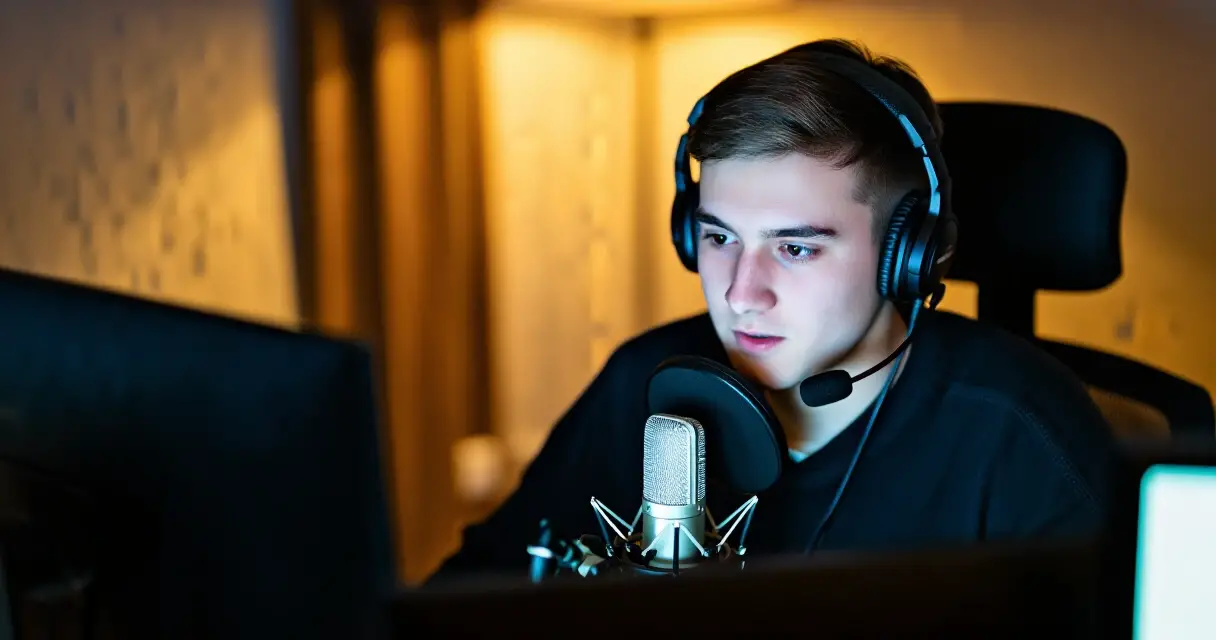
The clearest guidance on entry comes directly from Singapore’s own career resources, which recommend starting a YouTube or Twitch channel and posting regular commentary videos as the practical way to practise and build an audience. This portfolio-first approach matters because broadcast and tournament organisers generally want to see evidence of a caster’s voice, pacing, and game knowledge before offering any paid opportunity.
A strong portfolio typically covers one title in depth rather than several titles shallowly. For a caster working the Counter-Strike 2 Meta Analysis: Best Weapon Loadouts and Map Strategies, that could mean a library of clips showing round-by-round economy reads and rotation calls, not just highlight-reel hype moments.
Step Two: Master Both Modes of Commentary
Aspiring casters often focus only on hype delivery and overlook the analytical half of the job. Singapore’s career profile is explicit that the role requires both: play-by-play commentary for fast action, and analytical commentary that explains tactics, form, and strategic decisions during quieter moments. A portfolio that demonstrates only one mode reads as incomplete to anyone evaluating casting talent.
Practising analytical commentary also builds the research habit that paid roles expect. Casters are routinely required to prepare background on competing teams ahead of a broadcast, similar to the groundwork described in How to Cover Esports Roster Changes as a News Reporter, where accuracy and preparation matter as much as delivery.
A caster who can only hype the crowd is half-finished; the other half is explaining why the play actually worked.
Step Three: Enter Through Community and Amateur Tournaments
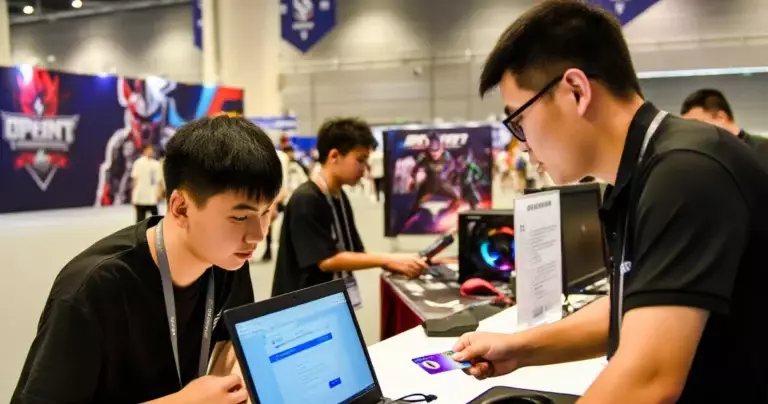
Community tournaments, campus competitions, amateur leagues, and online productions remain the most accessible first credits for a new caster, well below the scale of franchised events. These smaller broadcasts offer lower-pressure environments to practise live timing, handle technical hiccups, and build a reel of real, verifiable match experience rather than solo-recorded clips.
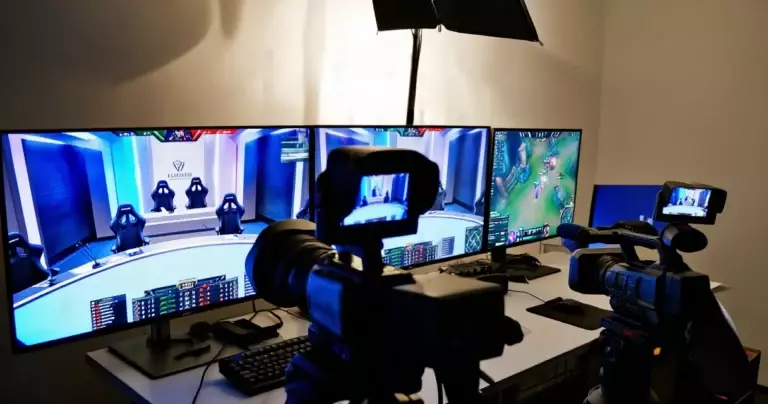
This stage is also where casters typically start learning production literacy: understanding observer feeds, replay timing, communications with a broadcast producer, and audio discipline. Those same production fundamentals are increasingly visible in how local teams build out their own broadcast capability, as covered in Esports Team Broadcast Setup Trends Singapore Teams Follow in 2026.
Why Interviewing and Analysis Skills Extend the Career Path
Casting is rarely a single static job; it tends to branch into adjacent broadcast roles over time. Singapore’s career guidance lists interviewing players, coaches, and other participants as a built-in extension of the shoutcaster role, which means casters who develop strong interview technique open doors into desk-analyst and host positions beyond the commentary booth itself.
This progression mirrors how other esports media roles evolve. A caster who moves into structured match-day hosting starts to resemble the broader beat function described in What Does an Esports Beat Reporter Cover: Full Guide, even though the caster’s core deliverable remains live broadcast rather than written reporting.
Esports News Reporting vs. Esports Commentary: Where Casters Fit
New entrants sometimes conflate casting with esports journalism, but the two disciplines ask for different daily outputs. A caster’s job is live, verbal, and tied to the moment a match happens; a reporter’s job is written, retrospective, and tied to verification before publication. The distinction is laid out in detail in Esports News Reporting vs Esports Commentary: What Sets Them Apart, and understanding it early helps aspiring casters avoid building a portfolio that reads more like a news blog than a broadcast reel.
The Commercial Reality Behind the Microphone
Casting does not exist in a commercial vacuum. Sponsorship was Singapore’s largest esports revenue segment in 2025, according to Deep Market Insights’ market estimate, which places a premium on a caster’s ability to deliver clean sponsor integrations and brand-safe broadcasts without disrupting audience engagement. A caster’s commercial value rises as they demonstrate they can hold an audience through sponsored segments as well as live action.
That commercial backdrop sits within a forecast CAGR of 17.24% for Singapore’s esports market between 2026 and 2034, per the same Deep Market Insights estimate, which signals growing broadcast budgets that could, over time, support more paid casting roles rather than purely volunteer ones.
Table: Typical Entry Points Along the Caster Career Path
| Stage | Typical Setting | Primary Goal |
|---|---|---|
| Self-produced content | YouTube or Twitch channel | Build a public portfolio and audience |
| Community tournaments | Campus leagues, amateur brackets | Gain live, verifiable broadcast credits |
| Broadcast progression | Interviews, desk analysis | Expand beyond commentary into hosting roles |
Table: Singapore Esports Market Context for Casters
| Metric | Figure | Source |
|---|---|---|
| Indicative shoutcaster salary | S$3,000–S$4,500 per month | MyCareersFuture / MySkillsFuture |
| Singapore esports market, 2025 | US$8.15 million | Deep Market Insights |
| Forecast CAGR, 2026–2034 | 17.24% | Deep Market Insights |
| Southeast Asia population | Approximately 650 million | MCCY, October 2026 |
How we know: the salary range and market figures above are drawn directly from Singapore government career resources and the Deep Market Insights 2025 market estimate; they are indicative ranges rather than guaranteed figures for any individual caster.
What This Guide Does Not Cover
This article focuses on the entry path into shoutcasting specifically within Singapore’s ecosystem and does not detail formal broadcasting diplomas, talent agency contracts, or title-specific casting certifications, since no verified, current source confirms a mandatory qualification for the role as of October 2026. Readers pursuing a particular game’s professional circuit should verify any league-specific accreditation requirements directly with that tournament organiser.
Usein kysytyt kysymykset
Do I need a formal qualification to become an esports shoutcaster in Singapore?
No single licence or formal qualification is required. Singapore’s career guidance instead points toward building a public portfolio through self-produced commentary and progressing through community tournament experience.
How much do esports casters earn in Singapore?
Public Singapore job-portal data, including MyCareersFuture and MySkillsFuture, suggests an indicative range of roughly S$3,000 to S$4,500 per month, though this is an estimate rather than a guaranteed entry-level figure.
What platforms should a new caster use to build a portfolio?
Singapore’s official career guidance specifically recommends YouTube and Twitch as the channels for posting regular commentary videos and building an audience before seeking paid opportunities.
What is the difference between play-by-play and analytical commentary?
Play-by-play commentary narrates fast live action as it happens, while analytical commentary explains tactics, team form, and strategic decisions, typically during quieter moments in a broadcast. Singapore’s career profile treats both as core functions of the role.
Can casting lead to other esports broadcast roles?
Yes. Interviewing players, coaches, and participants is already part of the shoutcaster role in Singapore’s career guidance, and many casters extend into desk-analyst or hosting positions as their broadcast experience grows.
Is there enough industry growth in Singapore to support more paid casting roles?
Singapore’s esports market was estimated at US$8.15 million in 2025 with a forecast compound annual growth rate of 17.24% through 2034, according to Deep Market Insights, suggesting a growing commercial base, though this does not guarantee individual paid opportunities.
Key Takeaways
- There is no mandatory licence for shoutcasting in Singapore; a public portfolio is the practical entry credential.
- Singapore’s official guidance recommends starting on YouTube or Twitch with regular commentary videos.
- Casters must demonstrate both play-by-play and analytical commentary, plus interview skills, to progress.
- Indicative pay sits around S$3,000 to S$4,500 monthly, per MyCareersFuture and MySkillsFuture data.
- Singapore’s esports market, valued at US$8.15 million in 2025, is forecast to grow at 17.24% annually through 2034.
Lähteet
- MyCareersFuture Singapore — haettu October 20, 2026
- Ministry of Culture, Community and Youth, Singapore — haettu October 20, 2026
- Global Esports Federation — haettu October 20, 2026