
Summary
When PUBG Mobile crossed one billion downloads in 2022–a milestone tracked by mobile analytics firm Sensor Tower–it wasn't just a record for casual gaming. The title had already underpinned a global competitive ecosystem generating hundreds of millions in prize money,...
Table of contents
- 1 Defining Mobile Esports: Organized Competition on a Pocket-Sized Device
- 2 A Brief History: How Mobile Esports Grew from Novelty to Global Stage
- 3 The Biggest Mobile Esports Games Right Now
- 4 How Mobile Esports Tournaments Are Structured
- 5 Mobile Esports vs. PC and Console Esports: Key Differences
- 6 Where Mobile Esports Is Most Popular: The Regional Picture
- 7 Professional Careers and Prize Money in Mobile Esports
- 8 Why Mobile Esports Is Growing Faster Than Other Segments
- 9 Mobile Esports at the Asian Games and International Recognition
- 10 The Regulatory Landscape: Challenges Shaping the Scene
- 11 Frequently Asked Questions About Mobile Esports
- 11.1 What exactly is mobile esports?
- 11.2 What are the most popular mobile esports games?
- 11.3 How much do professional mobile esports players earn?
- 11.4 Can anyone compete in mobile esports?
- 11.5 Where can I watch mobile esports tournaments?
- 11.6 Is mobile esports included in the Olympics?
- 11.7 What is the difference between mobile esports and casual mobile gaming?
- 11.8 How does mobile esports connect to the esports betting market?
- 12 Sources
When PUBG Mobile crossed one billion downloads in 2022–a milestone tracked by mobile analytics firm Sensor Tower–it wasn’t just a record for casual gaming. The title had already underpinned a global competitive ecosystem generating hundreds of millions in prize money, broadcast rights, and sponsorship deals. Mobile esports had quietly become one of the fastest-expanding segments in competitive gaming, running on a separate but parallel track to the PC and console scene that most Western audiences know best.
Defining Mobile Esports: Organized Competition on a Pocket-Sized Device
Mobile esports refers to structured, competitive video gaming conducted on smartphones and tablets, following organized rules, brackets, and formats that mirror those of traditional PC or console esports. The term covers everything from regional online qualifiers run by a single game publisher to global championships broadcast to millions across YouTube and Facebook Gaming.
What separates mobile esports from casual mobile gaming isn’t only the level of skill involved–it’s the infrastructure surrounding it: official leagues, ranked matchmaking ladders, professional rosters, coaching staffs, dedicated training facilities, and sponsorship agreements. Players who compete at the top level treat their craft the same way a professional athlete treats a sport. Daily practice sessions, team drills, and VOD reviews of opponents are standard at top organizations.
The defining hardware characteristic, compared to PC and console esports, is the device itself. Everything happens on a consumer smartphone or tablet. That accessibility is one of the biggest reasons the sector has grown so rapidly–the barrier to entry is far lower than purchasing a gaming PC or a console and display. In regions where desktop infrastructure is limited but smartphone penetration is high, mobile becomes the default gateway into competitive gaming.
The genre range in mobile esports is broader than many newcomers expect. Battle royale titles like PUBG Mobile and Free Fire sit alongside real-time strategy hybrids like Clash Royale, multiplayer online battle arenas (MOBAs) like Mobile Legends: Bang Bang and Honor of Kings, and first-person shooters like Call of Duty: Mobile. Each genre brings its own competitive design logic, fan culture, and regional strongholds.
A Brief History: How Mobile Esports Grew from Novelty to Global Stage
The roots of competitive mobile gaming stretch back further than most people realize. Early Nokia handsets in the late 1990s hosted primitive multiplayer experiences over Bluetooth, and the arrival of the App Store and Google Play in 2008 unlocked a wave of titles that players quickly began competing in informally. Games like Angry Birds and Clash of Clans generated their own community-driven competitive circuits, but the real turning point came as mobile internet speeds caught up to the demands of real-time competitive gameplay.
Two titles in the mid-2010s shifted the trajectory permanently. Supercell’s Clash Royale, launched in 2016, was designed with competitive play in mind from the start. The Clash Royale League (CRL), which Supercell launched in 2018, was one of the first well-funded, publisher-backed mobile esports leagues, featuring teams drawn from established organizations like Team SoloMid and NRG Esports. Around the same time, Tencent’s Honor of Kings–known internationally as Arena of Valor–was pulling in tens of millions of players across China and Southeast Asia, creating an audience that demanded organized competition.
The battle royale genre then accelerated everything. PUBG Mobile, released globally in 2018, and Garena’s Free Fire, which launched in 2017 and exploded across South America and Southeast Asia, brought mass audiences and substantial prize pools to the scene. By 2019, publisher-organized world championships for both titles were drawing stadium crowds and millions of livestream viewers. Mobile esports had crossed from niche hobby to a legitimate industry in roughly three years.
The COVID-19 pandemic of 2020–2021 further accelerated adoption. With PC gaming cafes closed and traditional sports paused globally, mobile gaming surged across every metric. Players who had never taken competitive gaming seriously found themselves grinding ranked ladders on their phones, and publishers responded by expanding prize pools and shortening qualification timelines to capitalize on the moment. Many of the mobile esports professionals active today entered the scene during that period.
Mobile esports didn’t grow by copying PC esports–it grew by meeting players where they already were, on the device already in their pocket.
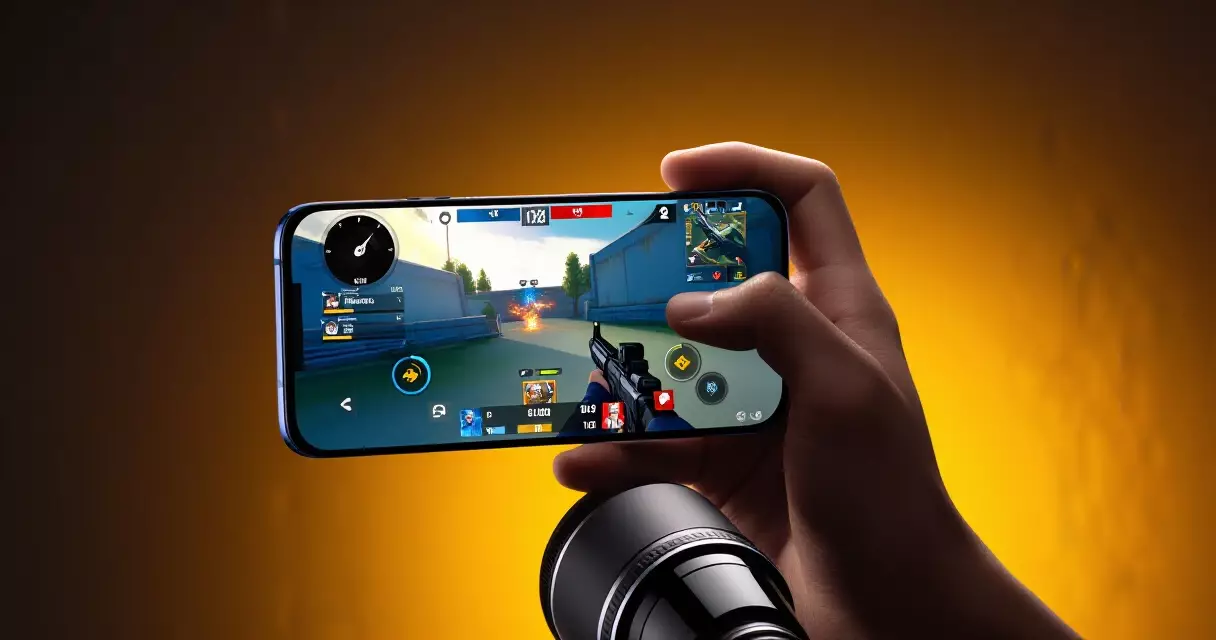
The Biggest Mobile Esports Games Right Now
The mobile esports ecosystem is anchored by a handful of titles durable enough to sustain professional ecosystems over multiple years. Each occupies a distinct genre and draws on a different regional fanbase, which means the mobile esports calendar is genuinely global in scope–different championships run across different time zones for different audiences simultaneously.
PUBG Mobile remains the benchmark for mobile battle royale. Its publisher Krafton runs the PUBG Mobile Global Championship (PMGC) annually, pulling together top regional leagues from South Asia, Southeast Asia, Europe, the Americas, and the Middle East. Prize pools have regularly exceeded $2 million at the global stage, with the 2022 edition held in Riyadh, Saudi Arabia.
Free Fire, developed by Garena, has become the dominant force in Latin America and Southeast Asia. Its world championship events have generated some of the highest concurrent viewership numbers in mobile esports history. The Free Fire World Series 2021 in Singapore peaked at 5.4 million concurrent YouTube viewers, according to Esports Charts–a figure that rivaled some of the largest PC esports events of that year.
Mobile Legends: Bang Bang (MLBB), published by Moonton (a ByteDance subsidiary), is the premier mobile MOBA. The M-Series World Championship has grown into one of the most-watched mobile esports events globally, with the Philippines, Indonesia, and Malaysia producing the most competitive rosters. MLBB was included as a medal event at the 2023 Asian Games in Hangzhou, China.
Honor of Kings, Tencent’s flagship mobile MOBA, is the highest-grossing mobile game in China and has been expanding internationally under the same name since 2023. Its Honor of Kings World Champion Cup regularly draws massive audiences concentrated in China, where the competitive scene is deeply embedded in national esports infrastructure.
Call of Duty: Mobile and Clash Royale round out the major titles. CoD Mobile runs the World Championship annually through Activision, drawing competitive teams from North America, Latin America, and Europe. Clash Royale’s competitive scene continues under Supercell’s management, with the CRL format evolving in response to the game’s playerbase.
| Game | Genre | Publisher | Flagship Tournament | Approx. Annual Prize Pool |
|---|---|---|---|---|
| PUBG Mobile | Battle Royale | Krafton | PUBG Mobile Global Championship (PMGC) | $2 million+ |
| Free Fire | Battle Royale | Garena | Free Fire World Series (FFWS) | $2 million+ |
| Mobile Legends: Bang Bang | MOBA | Moonton | M-Series World Championship | $800,000+ |
| Honor of Kings | MOBA | Tencent | World Champion Cup | $1 million+ |
| Call of Duty: Mobile | FPS / Battle Royale | Activision | CoD Mobile World Championship | $500,000+ |
| Clash Royale | Card / Strategy | Supercell | Clash Royale League (CRL) | Varies by season |
How Mobile Esports Tournaments Are Structured
Tournament structures in mobile esports vary by title, but most follow a tiered model that starts at the grassroots level and escalates to a global championship. Understanding the structure helps explain why mobile esports has been able to scale across dozens of countries simultaneously while maintaining a coherent competitive narrative.
At the base layer, most publishers run open online qualifiers. Any team with the required ranked standing can enter, which means tens of thousands of teams may participate in the early stages of a PUBG Mobile or Free Fire season. From those qualifiers, a smaller pool of teams advances to regional leagues–structured competitions like the PUBG Mobile South Asia Championship or the Free Fire Southeast Asia Series, which run on a regular schedule over several weeks or months.
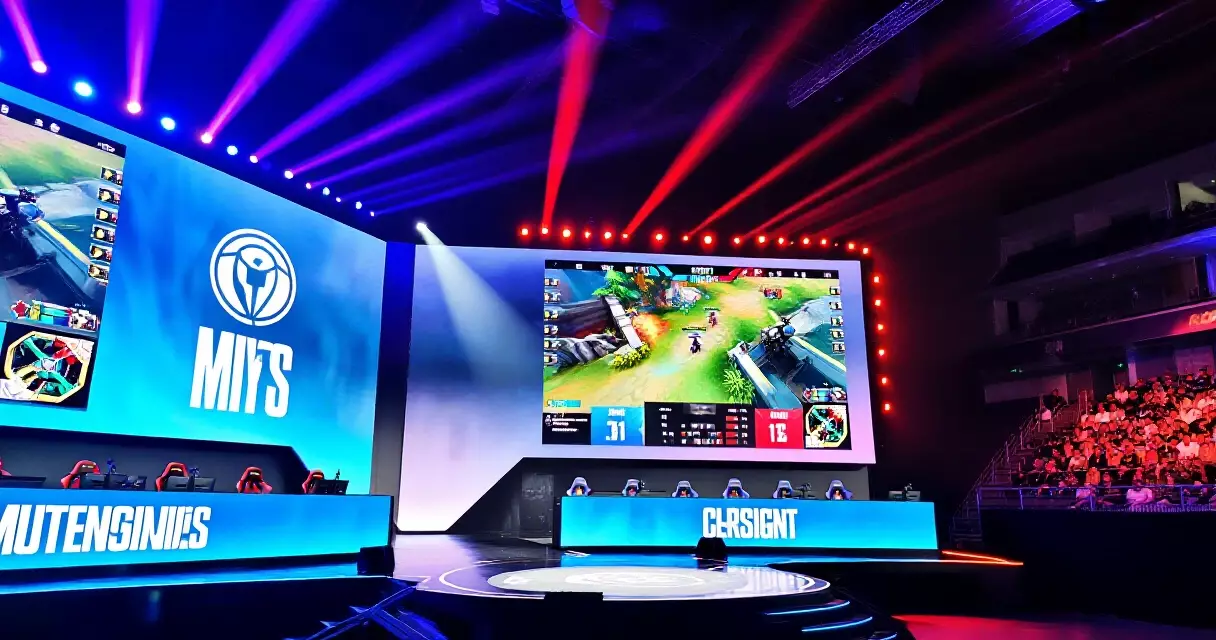
Regional league winners and top finishers earn spots at the global championship, where teams from all regions compete in a LAN environment–typically held in a purpose-built esports arena or convention center. These finals events are the showcase moment of the year: streamed live on YouTube and Facebook Gaming, with multi-camera production, professional commentary in multiple languages, and in-arena crowds of thousands.
Third-party organizers add further depth. ESL and FACEIT have operated mobile-specific tournaments, and regional promoters across Southeast Asia, South Asia, and Latin America run independent circuits. This activity enriches the competitive calendar but also creates fragmentation, since players and fans must track multiple tournament schedules to follow the scene properly.
Fans who follow competitive gaming closely and want to understand how tournament formats connect to wagering will find useful context in this site’s breakdown of what esports betting is and how it works, which covers how competitive structures translate into market offerings.
Mobile Esports vs. PC and Console Esports: Key Differences
Newcomers to competitive gaming sometimes treat mobile, PC, and console esports as interchangeable. They share competitive spirit and organizational logic, but they differ significantly in hardware, audience profile, prize pool scale, and geographic distribution. Understanding these differences helps place mobile esports in proper context within the wider industry.
| Factor | Mobile Esports | PC Esports | Console Esports |
|---|---|---|---|
| Primary hardware | Smartphone / tablet | Gaming PC + mouse and keyboard | PlayStation / Xbox / Nintendo Switch |
| Entry cost (player) | Low – a mid-range phone suffices | High – $800–$2,000+ rig | Medium – $400–$700 console |
| Dominant regions | Southeast Asia, South Asia, Latin America | Europe, North America, South Korea | North America, Europe, Japan |
| Largest prize pools | $1–3 million per title annually | Up to $40 million (Dota 2 The International) | $1–5 million (CoD League, Halo) |
| Primary broadcast platform | YouTube, Facebook Gaming | Twitch, YouTube | Twitch, YouTube |
| Control scheme | Touchscreen (gyroscope optional) | Mouse and keyboard | Game controller |
| Regulatory complexity | High – varies sharply by country | Medium | Medium |
One contrast that surprises Western observers is the prize pool gap. PC esports–particularly Dota 2’s annual The International, which has reached prize pools above $40 million through crowdfunding–sits at the far end of the scale. Mobile prize pools are smaller in absolute terms, but the audience size can rival or exceed PC events in key regions. The discrepancy reflects sponsor investment patterns more than audience size: Western brands historically anchored their esports budgets to PC titles where their core demographics were concentrated.
The control scheme difference also shapes competitive game design. Touchscreen play introduces a layer of physical skill around tap accuracy, swipe speed, and simultaneous multi-touch inputs that has no direct equivalent on mouse-and-keyboard. Top mobile players develop extremely refined motor patterns for their touchscreen interactions. Some titles allow peripheral controller support, but at the highest competitive levels, touchscreen play remains the standard in most games.
Where Mobile Esports Is Most Popular: The Regional Picture
Mobile esports is a genuinely global phenomenon, but its center of gravity sits firmly in Asia and Latin America. Understanding the regional breakdown explains which titles dominate, how tournaments are broadcast, and where the most passionate fan communities are concentrated.
Southeast Asia is the heartland. Indonesia, the Philippines, Thailand, Malaysia, and Vietnam have produced the most successful rosters in Mobile Legends: Bang Bang and PUBG Mobile. The Philippines in particular has built one of the most competitive MLBB scenes globally, with organizations like ECHO and RSG PH regularly competing at the top of international standings. Government-backed esports recognition programs have contributed depth–the Philippine Sports Commission formally recognized esports athletes as national athletes for international competitions, a status that carries real funding and logistical support.
South Asia experienced explosive growth following the reinstatement of Battlegrounds Mobile India (BGMI) in 2023, which restored a version of PUBG Mobile to the Indian market after a regulatory suspension. The competitive scene rebounded rapidly, with thousands of teams re-entering ranked queues and publisher-backed leagues picking up where they left off. According to Wikipedia’s data on global mobile phone use, India has over 500 million smartphone users–a player pool of extraordinary scale.
Latin America, particularly Brazil, is the engine of Free Fire’s global success. Garena’s sustained marketing investment in Brazil created one of the most passionate mobile esports fanbases in the world. Brazilian teams compete consistently at global championships, and organizations like LOUD have expanded into mobile titles alongside their PC esports roots.
China operates largely within its own ecosystem, with Honor of Kings dominating competitive play. The domestic regulatory environment–including gaming hour restrictions for minors enforced by the National Press and Publication Administration since 2021–has shaped how the competitive scene is structured internally, even as Tencent pursues international expansion of Honor of Kings aggressively.
North America and Europe participate in mobile esports without leading it. Western audiences have traditionally preferred PC esports, and the competitive infrastructure reflects that historical investment. Western teams do compete in PUBG Mobile and Call of Duty: Mobile international circuits, but they rarely reach the top bracket, where Asian and Latin American teams consistently dominate.
Professional Careers and Prize Money in Mobile Esports
A professional career in mobile esports is a realistic goal for elite-level players, though the economic landscape differs from PC esports. At the top tier–players competing in publisher-backed global championships for PUBG Mobile or MLBB–monthly salaries typically range from $2,000 to $10,000, plus a share of tournament prize winnings. Regional league players earn less, often in the $500 to $2,000 monthly range, supplemented by streaming revenue and brand deals.
Prize money at the global level is substantial by any measure. The PUBG Mobile Global Championship 2022 carried a $2 million prize pool, with the winning team taking home approximately $500,000. Free Fire World Series events have offered comparable pools. While these figures are smaller than the largest PC esports events, they are competitive with mid-tier console esports and sufficient to support full-time professional careers, particularly in regions with lower costs of living.
Beyond playing, mobile esports supports careers in coaching, team management, broadcast talent (casting, analysis), content creation, and event production. Organizations like Team Secret, which operate mobile rosters alongside PC teams, employ dozens of support staff for their mobile divisions. The business infrastructure has matured considerably since the early years of the scene, and the career paths available to people who don’t make it as players are now genuinely viable.
The prize money gap between mobile and PC esports is narrowing year by year, and in Southeast Asia, the top mobile rosters are treated–and paid–as elite professional athletes.
For readers interested in the financial architecture of competitive esports more broadly, this site’s esports betting guide covers how prize structures and team performance feed into competitive markets across multiple titles and platforms.
Why Mobile Esports Is Growing Faster Than Other Segments
Several structural factors explain why mobile esports has outpaced PC and console counterparts in terms of audience growth over the past five years.
Smartphone penetration outpaces gaming PC adoption on every continent. In most of the world, a smartphone is the first and often only computing device a person owns. The global smartphone user base exceeded 6.8 billion by 2023, according to Statista’s digital economy data–a figure that dwarfs the combined installed base of gaming PCs and consoles. This means the potential audience for mobile games, and by extension mobile esports, is structurally larger than for any other gaming platform.
Free-to-play removes the financial barrier entirely. Nearly all major mobile esports titles are free to download, monetized through cosmetic in-app purchases. A new player can install PUBG Mobile or Free Fire in minutes at zero cost. That frictionless entry point accelerates player base growth in ways that $60 console releases or paid PC titles simply cannot match.
Publisher investment has been enormous and sustained. Tencent, which holds stakes in or outright owns many of the biggest mobile games (including PUBG Mobile through its relationship with Krafton, and Honor of Kings directly), has spent hundreds of millions constructing competitive infrastructure. Garena has made comparable investments in Free Fire’s ecosystem. Publisher-funded prize pools, broadcast production, and regional league operations at this scale exist only because game companies with deep revenue streams have committed to funding them over multiple years.
YouTube and Facebook Gaming have aggressively secured mobile broadcast rights. Both platforms invested early in mobile esports distribution in Southeast Asia and Latin America, where PC-oriented platforms like Twitch have smaller footprints. That distribution reach helped mobile esports find audiences that traditional esports broadcast models couldn’t access.
Mobile Esports at the Asian Games and International Recognition
One of the clearest indicators of mobile esports’ legitimacy is its inclusion in the Asian Games. The Olympic Council of Asia formally recognized esports as a medal sport for the 2022 Asian Games (held in Hangzhou, China, in 2023 after COVID delays), with eight esports disciplines on the program. Mobile titles were prominent: Mobile Legends: Bang Bang, PUBG Mobile, and Dream Three Kingdoms 2 were among the medal events, placing mobile esports on the same multi-sport stage as established Olympic disciplines for the first time.
The OCA continues developing its esports program, and the 2026 Asian Games in Aichi-Nagoya, Japan, is expected to include esports once again. This kind of intergovernmental recognition carries significant weight for sponsorship agreements, government support programs, and the broader social legitimacy of professional gaming as a career path.
At the 2024 Paris Olympics, esports appeared as an exhibition through the Olympic Esports Series–not as a full medal program, but as a formal institutional step. The International Esports Federation (IESF), which counts over 130 member nations, continues working with the IOC on deeper integration. The direction is toward broader official recognition, though the timeline for full Olympic medal status remains undetermined.
Fans interested in how the competitive legitimacy of mobile tournaments translates into real-time market activity will find relevant context in the site’s guide on live esports betting, which explains how major events are handled in-play.
The Regulatory Landscape: Challenges Shaping the Scene
Mobile esports operates across a patchwork of national regulatory environments that create unique challenges for publishers and players alike. Unlike PC esports, which is largely unregulated at the game-distribution level in most markets, mobile games face app store policies, age restriction enforcement, and in some countries, direct government oversight of gaming content and playtime.
India’s ban and reinstatement of PUBG Mobile (as Battlegrounds Mobile India) between 2020 and 2023 is the most dramatic recent example. The original ban was tied to data sovereignty concerns about the game’s connections to Tencent’s technology infrastructure. Krafton addressed those concerns with structural changes, and BGMI returned to the market–but the episode showed how quickly a single regulatory decision can dismantle an entire national competitive ecosystem, scattering teams and wiping out tournament circuits overnight.
China’s 2021 restrictions limiting minors to three hours of online gaming per week, enforced by the National Press and Publication Administration via real-name registration systems, changed how esports organizations approach talent development domestically. Professional adult players are unaffected, but the talent pipeline implications are significant over time.
The United States has relatively light direct regulation of mobile gaming, but FTC guidelines on in-app purchases, COPPA requirements for under-13 users, and ongoing state-level discussions about loot box mechanics all touch adjacent issues that affect game design and monetization for mobile titles with competitive modes. Our breakdown of esports betting legality across US states in 2026 provides context on how the broader regulatory picture for competitive esports is developing domestically.
Frequently Asked Questions About Mobile Esports
What exactly is mobile esports?
Mobile esports is organized competitive gaming on smartphones and tablets, structured with formal rules, brackets, rankings, and prizes. It covers multiple genres–battle royale, MOBA, FPS, card strategy–and operates at scales ranging from grassroots community tournaments to publisher-organized world championships broadcast to millions. The term distinguishes structured competition from casual mobile gaming the same way professional basketball differs from recreational play. Top-level mobile esports involves full-time players, coaching staffs, sponsor deals, and broadcast production that rivals traditional sports coverage in regions like Southeast Asia and Latin America. The Wikipedia entry on esports provides broader context on how competitive gaming is defined and categorized across platforms.
What are the most popular mobile esports games?
The most active mobile esports titles by tournament volume, viewership, and prize pool are PUBG Mobile, Free Fire, Mobile Legends: Bang Bang (MLBB), Honor of Kings, Call of Duty: Mobile, and Clash Royale. PUBG Mobile and Free Fire dominate the battle royale side of the scene. MLBB and Honor of Kings lead the MOBA category. Each title has its own publisher-organized international championship, with regional leagues feeding into a global final every year. Which game leads depends on the region: MLBB dominates in Southeast Asia, Free Fire is strongest in Latin America, and Honor of Kings is the top competitive mobile game in China. Global viewership and prize pool data is tracked by Esports Charts and Liquipedia across all major mobile titles.
How much do professional mobile esports players earn?
Earnings vary widely by region, title, and competitive level. At the top tier–players on rosters competing in publisher-backed global championships for PUBG Mobile or MLBB–monthly base salaries typically fall between $2,000 and $10,000, plus shares of tournament prize winnings. Global championship-winning teams can take home $300,000 to $600,000 split among roster members. Regional league competitors at lower competitive levels earn $500 to $2,000 monthly, supplemented by streaming income and brand endorsements. In high-growth markets like the Philippines and Brazil, top mobile esports players are celebrity athletes with commensurate earning power and public profiles. The gap between mobile and PC esports earnings continues to narrow as prize pools and sponsorship volumes grow.
Can anyone compete in mobile esports?
Yes, in principle. Most major mobile esports titles run open online qualifiers accessible to any player with the required ranked standing–typically top-tier ranked status earned through regular gameplay. Entry is free, and players compete solo or as a team depending on the game. The initial qualification rounds are deliberately inclusive; publishers want broad participation to develop the ecosystem. Reaching the professional level, however, requires exceptional skill, intense time investment, and usually a committed team. Most professional players entered through open qualifiers and worked their way up through regional circuits over one to three years. Age minimums apply in most publisher systems, generally 16 or 18 depending on the title and region. A background in ranked play and consistent tournament participation in local or online circuits is the practical starting point.
Where can I watch mobile esports tournaments?
YouTube and Facebook Gaming are the primary platforms for mobile esports broadcasts. Most publisher-organized events–including the PUBG Mobile Global Championship, Free Fire World Series, and MLBB M-Series World Championship–stream officially on YouTube with multi-language commentary channels running simultaneously. Twitch hosts some mobile content, particularly for titles with North American followings like Call of Duty: Mobile. Nimo TV is widely used in Southeast Asia. Official publisher YouTube channels are the most reliable starting point for any major event. Schedules are announced on the official social media channels of each game’s esports division weeks in advance. Esports scheduling aggregators like Liquipedia maintain dedicated mobile esports sections for tracking upcoming matches and brackets.
Is mobile esports included in the Olympics?
Not as a full Olympic medal program yet, but meaningful progress has been made. The Olympic Council of Asia included esports–with mobile titles prominently featured–as official medal events at the 2022 Asian Games (held in 2023). The IOC ran an Olympic Esports Series as an exhibition alongside the 2024 Paris Games. The IOC has also announced plans for a standalone Olympic Esports Games beginning in 2025 in Saudi Arabia, though specific title selections and the extent of mobile game inclusion were still being finalized. The direction is toward broader official recognition across esports as a whole. Whether mobile esports achieves full Olympic medal status–and under which titles–depends on ongoing negotiations between the IOC, game publishers, and the International Esports Federation.
What is the difference between mobile esports and casual mobile gaming?
The difference is structure, intent, and skill investment. Casual mobile gaming means playing for personal enjoyment with no formal competitive framework. Mobile esports involves organized competition with rules, brackets, rankings, and real consequences. A casual player might spend 30 minutes daily on a game and play for fun. Professional mobile esports players train 8 to 12 hours per day, review match footage, work with dedicated coaches, and compete in qualifier rounds with career stakes. The same game supports both audiences–PUBG Mobile has hundreds of millions of casual players and a structured professional league running simultaneously. The presence of a tiered ranked ladder feeding into organized tournament circuits is the clearest indicator that a game has developed a genuine esports ecosystem.
How does mobile esports connect to the esports betting market?
Mobile esports is increasingly covered by specialist esports sportsbooks, though market depth is thinner than for major PC titles. Events like the PUBG Mobile Global Championship and Free Fire World Series appear on several licensed platforms, with match winner, handicap, and map-level props available for top-tier matchups. Coverage tends to be concentrated on the biggest global events rather than regional leagues. As mobile prize pools grow and global broadcast infrastructure matures, betting market coverage is expanding steadily. For a solid foundation in how competitive markets work across all esports titles, the guide to esports betting markets explains match winner, map, and prop bet types in detail.
Sources
- Wikipedia: Esports – History, industry structure, and global competitive gaming overview.
- Wikipedia: PUBG Mobile – Game history, download milestones, and competitive ecosystem documentation.
- Wikipedia: International Esports Federation (IESF) – Organizational structure and engagement with the IOC.
- Olympic Council of Asia (OCA) – Official recognition of esports at the 2022/2023 Asian Games in Hangzhou.
- Wikipedia: 2022 Asian Games – Esports medal disciplines, titles, and results in Hangzhou.
- Wikipedia: Countries by number of mobile phones in use – Global smartphone penetration data by country.
- Newzoo Global Games Market Report 2023 – Mobile gaming revenue, market share, and esports audience estimates.
- Esports Charts – Free Fire World Series 2021 Singapore concurrent viewer peak data.
- Sensor Tower – PUBG Mobile download milestone (1 billion, 2022).
Top Esports Organizations 2026: Teams, Rosters, and Performance Rankings