
Summary
Esports tournaments now distribute more than $230 million in prize money annually across hundreds of events worldwide, according to Esports Charts' 2024 annual report – a figure that has grown more than tenfold since 2015. From sold-out arenas in Seoul...
Table of contents
- 1 How the Global Esports Tournament System Works
- 2 A Brief History of Esports Tournaments
- 3 Major Tournament Tiers: From Opens to World Championships
- 4 Game-by-Game Tournament Breakdown for 2026
- 4.1 League of Legends
- 4.2 Counter-Strike 2 (CS2)
- 4.3 Dota 2
- 4.4 Valorant
- 4.5 Mobile Titles: PUBG Mobile and Mobile Legends
- 5 Regional Circuit Guide: Where Tournaments Happen
- 6 How Players Qualify for Major Esports Tournaments
- 7 The Economics of Running an Esports Tournament
- 8 Esports Tournaments and Viewership: Who Is Watching
- 9 The Esports World Cup and Emerging Super-Events
- 10 Frequently Asked Questions About Esports Tournaments
- 10.1 What is the biggest esports tournament in the world?
- 10.2 How do esports tournaments determine prize pools?
- 10.3 Can amateur players compete in major esports tournaments?
- 10.4 Which games have the most active esports tournament circuits in 2026?
- 10.5 How are esports tournaments broadcast and where can I watch them?
- 10.6 What is the role of tournament organizers versus game publishers?
- 10.7 How do esports tournament prize pools compare to traditional sports?
- 10.8 Are there esports tournaments for players under 18?
- 11 Sources
Esports tournaments now distribute more than $230 million in prize money annually across hundreds of events worldwide, according to Esports Charts’ 2024 annual report – a figure that has grown more than tenfold since 2015. From sold-out arenas in Seoul and Los Angeles to online open qualifiers drawing amateur competitors from 60 countries, competitive gaming has built a tournament infrastructure that rivals many traditional sports leagues in both scale and complexity. Understanding how that circuit actually works – which tournaments matter, who runs them, and how players qualify – is the starting point for any serious fan, aspiring competitor, or industry professional.
How the Global Esports Tournament System Works
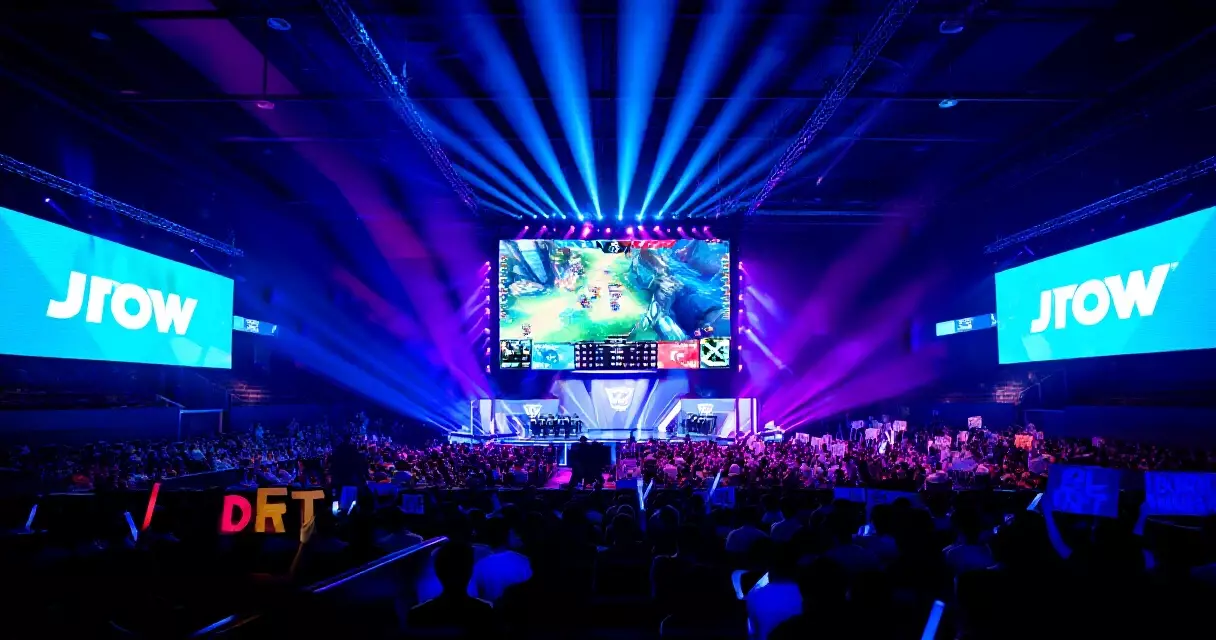
Most people first encounter esports through a highlight clip or a streamed grand final. What they rarely see is the layered qualification system that delivers those eight teams to the main stage. Publishers such as Riot Games, Valve, Activision Blizzard, and Electronic Arts each design their own competitive ecosystems, but almost all of them share the same three-tier logic: local or online open qualifiers at the base, regional league play in the middle, and a global championship at the top.
The regional tier is where most professional careers are built. Leagues like the League of Legends Championship Series (LCS) in North America, the European Regional Leagues (ERL) in Europe, and the Valorant Champions Tour (VCT) Americas run multi-week splits across a regular season. Teams accumulate circuit points, which translate into seedings and direct berths at the international events that cap each split or season.
Open qualifiers are the entry door. For titles like Dota 2, any team can register for a regional qualifier ahead of a Major or The International. A single dominant performance can lift an unknown roster from relative obscurity to a million-dollar stage within a single month – a pipeline that has no equivalent in traditional sports at comparable speed.
A Brief History of Esports Tournaments
Competitive gaming traces its organized roots to the 1972 Spacewar tournament at Stanford University, widely cited in academic literature as the first recorded video game competition. The landscape remained small-scale and hobbyist through the 1980s, fueled by arcade high-score contests and the Nintendo World Championships. The shift toward modern tournament infrastructure began in the late 1990s with the emergence of two pivotal events.
The World Cyber Games launched in 2000, backed by Samsung and the Korean government, bringing a multi-title Olympic-style format to esports and peaking at 800 athletes from 73 countries by 2008. In parallel, the Electronic Sports World Cup (ESWC) in France and the Intel Extreme Masters (IEM) series – which ran its first season in 2007 – built a European circuit that helped establish Counter-Strike and StarCraft as internationally viable competitive titles.
The defining structural leap came in 2011 when Valve hosted the first Dota 2 tournament, The International, at Gamescom in Cologne with a $1.6 million prize pool – then the largest in esports history. Two years later, the crowdfunding compendium model pushed that pool above $2 million and introduced the concept of fans directly funding the prize purse through in-game purchases. By 2021 the cumulative crowdfunding had driven The International’s prize pool to $40 million, permanently resetting industry expectations for what a tournament could be worth.
The 2010s also saw publishers shift from third-party tournament organizers – such as ESL, DreamHack, and Major League Gaming – to proprietary franchised leagues. Riot Games’ move to a franchised LCS model in 2018, and Activision Blizzard’s Overwatch League the same year, brought team owners, city-based branding, and guaranteed slots into the structure. That franchising wave is now partially reversing: Blizzard shut down the Overwatch League in 2023, and several publishers have reintroduced open-circuit formats to reduce overhead and improve grassroots access.
Major Tournament Tiers: From Opens to World Championships
Not all esports events carry equal weight. The industry organizes tournaments into recognizable tiers, and understanding those tiers explains why a team might skip a $200,000 regional event to prioritize a free-to-enter qualifier that leads to a $5 million Major.
| Tier | Examples | Typical Prize Pool | Who Qualifies |
|---|---|---|---|
| World Championship | Dota 2 The International, LoL Worlds, CS2 World Championship, Valorant Champions | $2M – $40M+ | Top regional finishers + direct invites |
| Premier / Major | CS2 Majors (PGL, ESL), Valorant Masters, Dota 2 Majors | $500K – $2M | Open qualifiers + invited teams |
| Regional League Finals | LCS Championship, VCT Americas Last Chance, ESL Pro League Finals | $100K – $500K | Regular season top finishers |
| Weekly / Monthly Cups | ESL Challenger, FACEIT Pro League, Thunderball Series | $5K – $50K | Open registration or ranked ladder |
| Grassroots / Amateur | Collegiate Esports Championships, local LAN events, publisher-sponsored amateurs cups | $0 – $10K (often in gear or scholarships) | Open to all skill levels |
Prize pools at the top two tiers attract the global audience and the sponsorship attention. Below that, regional league finals are where domestic fan bases are built and where most players spend the majority of their competitive careers. Grassroots and amateur events – often overlooked in media coverage – are the actual talent pipeline: the Collegiate Esports Championship Organization (CECO) estimates that more than 200 U.S. colleges ran varsity esports programs by 2024, many offering scholarship pools specifically tied to competitive performance.
Game-by-Game Tournament Breakdown for 2026
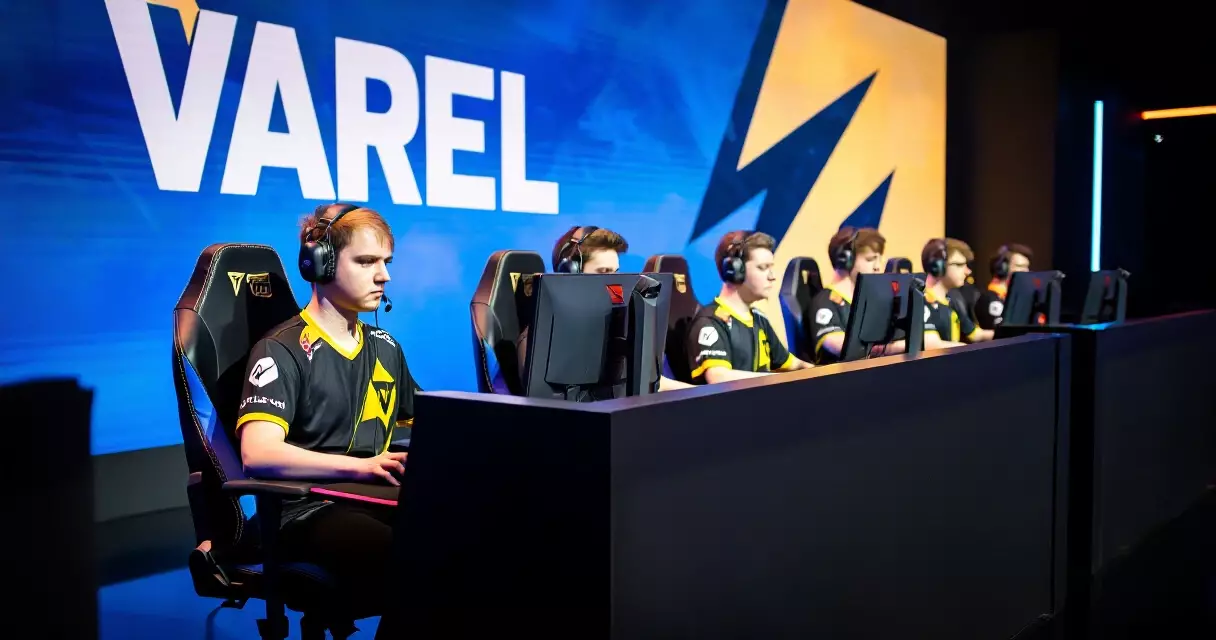
Each major title operates its own competitive season with distinct calendars, governing bodies, and prize structures. Below is the current picture for the six most-watched games in the global tournament circuit.
League of Legends
Riot Games runs LoL esports through four major regional leagues: LCS (North America), LEC (Europe), LCK (South Korea), and LPL (China). Each region conducts a Spring Split and a Summer Split, with the Summer Split feeding into the Mid-Season Invitational (MSI) and the year-end World Championship (Worlds). Worlds 2025 in London drew a peak concurrent audience of 6.4 million viewers on non-Chinese platforms, according to Esports Charts, making it the most-watched esports event of that year outside China’s domestic streams.
Counter-Strike 2 (CS2)
Valve’s CS2 operates through a two-tier official structure: ESL Pro League and Blast Premier serve as the premier third-party leagues, while Valve-sanctioned Majors – organized by companies like PGL and ESL – sit at the top. Each year typically features two Majors with prize pools of $1.25 million each. Teams qualify through a regional ranking (the “RMR” system) across Europe, Americas, and Asia-Pacific. CS2 remains the most-bet-on esports title globally, and its viewer numbers have been bolstered since Valve’s 2023 engine upgrade, which brought back lapsed fans from the CS:GO era. Learn more about CS2 tournament betting markets in our dedicated guide.
Dota 2
Valve’s MOBA runs the Dota Pro Circuit (DPC), a series of regional leagues across Western Europe, Eastern Europe, China, Southeast Asia, South America, and North America. The DPC feeds into a mid-season Major and culminates in The International. The International’s prize pool is partially funded by sales of the in-game Battle Pass compendium. Although the $40 million 2021 record has not been surpassed, Valve restructured the prize model in 2023 to guarantee a larger Valve-funded floor and reduce dependence on Battle Pass sales.
Valorant
Riot’s tactical shooter introduced the Valorant Champions Tour (VCT) in 2021 and moved to a three-partnership-league structure in 2023: VCT Americas (based in Los Angeles), VCT EMEA (based in Berlin), and VCT Pacific (based in Seoul). These leagues run year-round, culminating in VCT Masters events mid-season and Valorant Champions at year-end. The Challengers pathway feeds semi-professional teams from each region into the partnership leagues via promotion tournaments.
Mobile Titles: PUBG Mobile and Mobile Legends
Mobile esports has become the dominant category by total player and viewer numbers in Southeast Asia and South Asia. The PUBG Mobile Global Championship (PMGC) regularly exceeds $6 million in prize pool and attracts teams from more than 30 countries. Mobile Legends: Bang Bang, published by Moonton (a ByteDance subsidiary), runs the M-Series World Championship and the MPL (Mobile Legends Professional League) across Indonesia, Philippines, Malaysia, Singapore, Cambodia, and Myanmar, with a combined estimated viewership exceeding 100 million unique viewers annually across those regions.
“Mobile esports has not caught up to PC esports globally – it has already surpassed it by total player and viewer count in the world’s fastest-growing gaming markets.”
Regional Circuit Guide: Where Tournaments Happen
Geography shapes tournament access, broadcast timing, and team identity more than any other factor. A North American fan following the LCS experiences a very different competitive calendar from a Southeast Asian viewer tracking MPL Philippines. The map below outlines the key regional ecosystems and their flagship venues as of 2026.
| Region | Key Titles | Flagship Tournament Organizers | Notable Venues |
|---|---|---|---|
| North America | LoL (LCS), CS2, Valorant (VCT Americas), Overwatch 2 | Riot Games, ESL / FACEIT, Blast | HyperX Esports Arena (Las Vegas), Fusion Arena (Philadelphia), Riot Games Arena (Los Angeles) |
| Europe | CS2 (ESL Pro League), LoL (LEC), Valorant (VCT EMEA), R6 Siege | ESL / FACEIT, Riot Games, Ubisoft | PGL Studio (Bucharest), EWC Arena (Riyadh) |
| East Asia | LoL (LCK/LPL), Overwatch 2, PUBG, StarCraft II | Riot Games, Blizzard, Krafton, Afreeca | LoL Park Seoul, OGN e-Stadium, Shanghai New International Expo Centre |
| Southeast Asia | Mobile Legends, PUBG Mobile, Valorant (VCT Pacific), Free Fire | Moonton, Krafton, Riot Games, Garena | Axiata Arena (Kuala Lumpur), SM Mall of Asia Arena (Manila) |
| Middle East & Africa | CS2, Valorant, FIFA / EA FC, Free Fire | BLAST, Gamers8, Esports World Cup Foundation | King Fahd International Stadium adaptation, Riyadh Boulevard Arena |
| South America | CS2, LoL (CBLOL), Valorant, Free Fire | ESL / FACEIT, Riot Games, Garena | Ginasio do Ibirapuera (São Paulo), Arena SENAI (Brazil) |
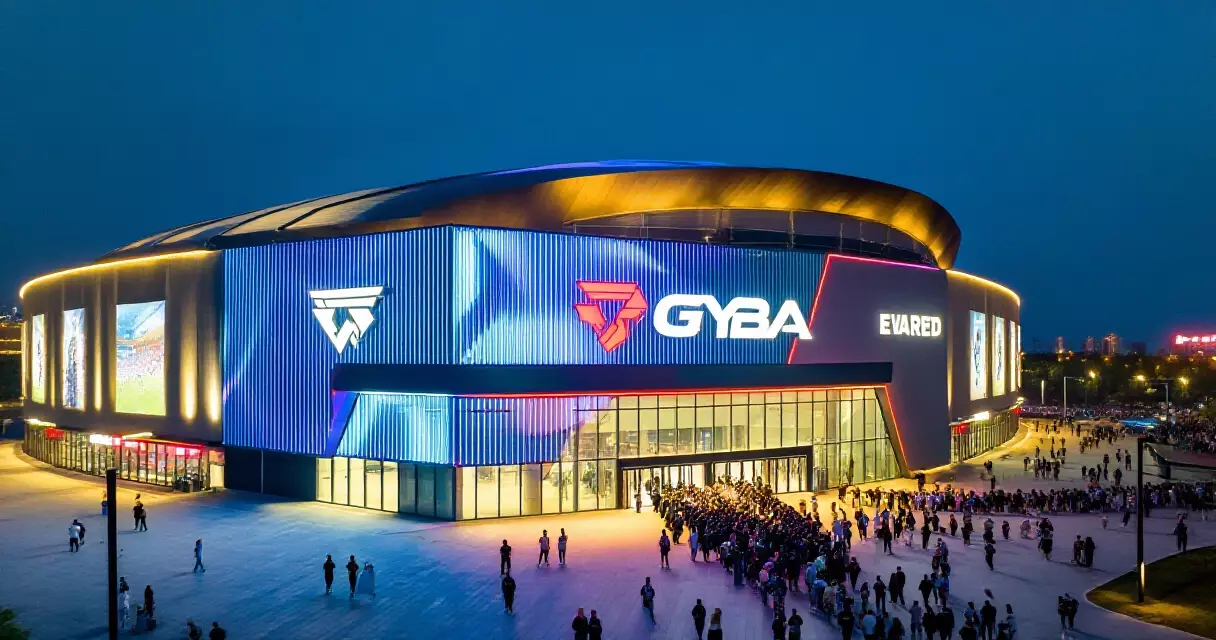
The Middle East has emerged as the most aggressively growing tournament host region. Saudi Arabia’s Esports World Cup, launched in Riyadh in 2024, injected over $60 million in prize money across more than 20 game titles in a single multi-week festival format. The event has repositioned Riyadh as a genuine destination for major esports finals, supplementing established hubs in Seoul, Los Angeles, and Katowice.
How Players Qualify for Major Esports Tournaments
Qualification systems differ significantly by game, but most share a core principle: performance over time earns circuit points, and points translate to slots at bigger events. The CS2 Regional Major Rankings (RMR) system is perhaps the most transparent example. Every sanctioned event between Majors earns a team points based on placement. When a Major’s qualifier window opens, the top-ranked teams in each RMR region receive direct invites, while lower-ranked teams compete through Closed Qualifiers, and any registered team can attempt to enter through Open Qualifiers.
In League of Legends, the path is league-based. LCS teams play a 10-week regular season; the top six enter a playoff bracket, and the top three placers earn spots at the World Championship. Wild Card teams from smaller regions – such as the Latin American League (LLA) or the Pacific Championship Series (PCS) – compete in Play-In rounds at Worlds for a chance to reach the main event.
For grassroots players, the most accessible entry points are FACEIT’s open ladders (for CS2 and Valorant), Riot’s own Valorant Game Changers and Challengers pathways, and collegiate circuits run through the National Association of Collegiate Esports (NACE), which represents more than 175 varsity esports programs in the United States and Canada. Collegiate esports has grown fast enough that several Power Five universities now offer partial to full scholarships tied to esports performance, according to NACE’s 2024 member survey.
For fans curious about how individual venues shape the live tournament experience, our reviews of the Blizzard Arena Burbank and the 1337 Esports Center detail how grassroots and major-production facilities differ in design and atmosphere.
The Economics of Running an Esports Tournament
Running a top-tier esports event is a multimillion-dollar operation before a single player walks on stage. Production costs – broadcast equipment, LED walls, stage builds, observer systems, anti-cheat infrastructure – can exceed $3 million for a major LAN final held in a 10,000-seat arena. Organizers offset those costs through a combination of broadcast rights (sold to platforms like Twitch, YouTube, and regional broadcasters), sponsorship packages, ticket sales, merchandise, and, increasingly, digital content rights.
Sponsorship remains the largest revenue line for most tournament organizers. ESL’s Intel Extreme Masters (IEM) Katowice – one of the longest-running CS events, launched in 2012 – has featured title sponsorship from Intel since its inception, alongside partner brands covering peripheral categories (headsets, mice, monitors), energy drinks, and automotive. The Katowice event regularly sells out the Spodek Arena (11,000 capacity) months in advance and streams to audiences that peak above two million concurrent viewers.
Ticket revenue alone rarely covers costs: a $50 average ticket price across 10,000 seats yields $500,000 – a fraction of a Major’s production budget. This is why media rights and long-term sponsorship deals are structurally necessary. PGL, the Romanian organizer responsible for multiple CS Majors and Dota 2 Majors, generates a significant portion of its event revenue from regional broadcast licenses rather than gate receipts.
“A 10,000-seat esports final with $50 tickets earns less in gate revenue than a single major sponsorship activation – which is why broadcast rights and endemic partner deals are structurally load-bearing for every large event.”
For a detailed breakdown of how dedicated venues monetize these events beyond a single tournament run, see our analysis of esports venue revenue streams and ROI.
Esports Tournaments and Viewership: Who Is Watching
Newzoo’s 2024 Global Esports and Live Streaming Report estimated that esports tournaments attracted 540 million unique viewers across all platforms, with roughly 235 million classified as “enthusiast” viewers who watch organized competitions at least once a month. That audience skews young: the 18–34 demographic accounts for the majority of consistent viewership, with notable growth in the 13–17 age bracket driven by mobile titles and short-form clips on TikTok and YouTube Shorts.
Regional viewing patterns vary enormously. East Asian audiences dominate in absolute numbers – the LPL (China) regularly records 200+ million domestic viewers per season – but North America and Europe lead in monetized streaming metrics because platform advertising rates and subscription conversion are higher in those markets. South and Southeast Asia are the fastest-growing regions by new viewer count, largely due to mobile esports expansion.
Peak concurrent viewer records for individual events continue to be set and broken at major tournaments. The 2022 LoL Worlds final peaked at over 5 million concurrent viewers on non-Chinese platforms, and the 2023 Valorant Champions in Los Angeles drew a peak of 1.4 million concurrent viewers on English-language streams alone, according to Esports Charts’ published data. These numbers place top esports finals firmly in the range of major traditional sporting events on streaming platforms.
The Esports World Cup and Emerging Super-Events
The Esports World Cup, held annually in Riyadh since 2024, represents a new category of tournament: a multi-game festival where teams earn points across titles to compete for an overall “Club Championship” in addition to individual game prizes. In its inaugural 2024 edition, the EWC ran competitions across more than 20 titles including CS2, Valorant, League of Legends, Dota 2, Mobile Legends, PUBG Mobile, Fortnite, Rocket League, and Street Fighter 6, distributing more than $60 million in total prize money over approximately six weeks.
The EWC format has created an unusual incentive: esports organizations are now building multi-game rosters specifically to accumulate Club Championship points across as many titles as possible. Teams like Team Liquid, Natus Vincere, and Fnatic – which already ran multi-game divisions – were early beneficiaries. Pure single-game organizations face a structural disadvantage in this format, which may accelerate consolidation among esports organizations in 2026 and beyond.
IEM Katowice, The International, LoL Worlds, and the Esports World Cup now form an informal “Grand Slam” that the most ambitious organizations target for a complete competitive year. Winning or placing top-four at all four events within a calendar year has not been achieved across multiple titles by a single organization, but the EWC’s Club Championship format incentivizes attempting exactly that.

Frequently Asked Questions About Esports Tournaments
What is the biggest esports tournament in the world?
By prize pool, Dota 2’s The International has historically been the largest single-game esports tournament, reaching a record $40.02 million in 2021 through its crowdfunded compendium model. By total prize money distributed across a single event window, the Esports World Cup in Riyadh (launched 2024) currently distributes over $60 million across 20+ titles in one festival. By peak viewership, League of Legends World Championship finals consistently rank at the top for non-Chinese streaming platforms. All three events are legitimate answers depending on which metric matters most to you.
How do esports tournaments determine prize pools?
Prize pools come from three main sources. Publisher funding is the most common – Riot Games, Valve, and Activision Blizzard each set a minimum prize pool for their sanctioned events. Sponsorship contributions from title sponsors (such as Intel for IEM or Red Bull for various events) add on top. Crowdfunding through in-game item sales – pioneered by Valve’s compendium model for Dota 2 – allows player communities to directly inflate the prize pool through purchases. The exact split varies by event: some tournaments are 100% publisher-funded, while Dota 2’s The International has historically derived the majority of its prize pool from community compendium sales.
Can amateur players compete in major esports tournaments?
Yes, many major tournaments maintain an open qualifier pathway that any player or team can enter. CS2 Majors, Dota 2 Majors, and the Valorant Challengers series all begin with fully open online stages where unsponsored amateur teams can register for free or a nominal entry fee. Reaching the Major itself from an open qualifier is extremely difficult – typically requiring wins across multiple rounds against increasingly experienced teams – but it is structurally possible and happens regularly. The FACEIT platform hosts open weekly and monthly cups across CS2, Valorant, and Dota 2 that serve as consistent ranked competition for amateur players looking to build a record.
Which games have the most active esports tournament circuits in 2026?
As of 2026, Counter-Strike 2, League of Legends, Dota 2, and Valorant have the most structurally developed and year-round global tournament circuits, with events running in multiple regions every month. Mobile Legends: Bang Bang and PUBG Mobile lead in total event count and viewership across Southeast Asia and South Asia. Fortnite, Rocket League, and Rainbow Six Siege maintain robust circuits with multiple annual majors each. New entrants – including Marvel Rivals and competitive versions of survival titles – are building early circuit structures that may expand significantly by 2027.
How are esports tournaments broadcast and where can I watch them?
Most major esports tournaments broadcast free-to-watch on Twitch or YouTube, with some events also airing on regional cable and satellite channels. Riot Games streams all VCT and LoL events on its own channels (youtube.com/riotgames, twitch.tv/riotgames) and on official regional partner channels. CS2 Majors broadcast on the official ESL and PGL Twitch and YouTube channels. Dota 2 events broadcast on PGL’s channels and on the Steam TV platform built into the game client. Several premium events offer enhanced coverage – stats overlays, multiple camera angles – through publisher apps or subscription tiers on platform partners.
What is the role of tournament organizers versus game publishers?
Publishers own the intellectual property and set the rules for official sanctioned circuits. Tournament organizers – companies like ESL / FACEIT (now owned by Savvy Gaming Group), PGL, Blast, and DreamHack – license the right to run specific events under the publisher’s framework, handle event production, venue booking, broadcast logistics, and sponsorship sales. Some publishers, like Riot Games and Activision Blizzard, run their own events in-house. Others, like Valve, prefer to sanction third-party organizers to run the entire event. A hybrid model is also common: the publisher funds the prize pool and sets format rules, while a third-party organizer handles production and venue.
How do esports tournament prize pools compare to traditional sports?
The single-event prize pool for Dota 2’s The International ($40 million in 2021) compares favorably with traditional sports championships: the Masters Tournament in golf distributed $18 million in 2024, and the Wimbledon total prize money was approximately $52 million in 2024 spread across many rounds and categories. However, traditional sports generate far more total annual prize and salary money because professional leagues run year-round with guaranteed player salaries. Most esports players – even those competing in premier leagues – earn the majority of their income through team salaries, streaming revenue, and sponsorships rather than tournament prize money alone.
Are there esports tournaments for players under 18?
Yes, several dedicated youth and collegiate circuits exist. The High School Esports League (HSEL) in the United States runs competitions for students in grades 6–12 across titles including Rocket League, Valorant, League of Legends, and Overwatch 2. The National Association of Collegiate Esports (NACE) governs U.S. and Canadian college competition. Internationally, the International Esports Federation (IESF) organizes the World Esports Championships with national teams and maintains age-appropriate divisions. Many open qualifiers do have minimum age requirements (typically 16 or 18 depending on publisher rules), but youth-specific pathways are expanding rapidly as collegiate programs proliferate.
Sources
- Newzoo – 2024 Global Esports & Live Streaming Report: https://newzoo.com/resources/trend-reports/newzoos-global-esports-live-streaming-report-2024-free-version
- Wikipedia – The International (Dota 2): https://en.wikipedia.org/wiki/The_International_(Dota_2)
- Wikipedia – Intel Extreme Masters: https://en.wikipedia.org/wiki/Intel_Extreme_Masters
- Wikipedia – World Cyber Games: https://en.wikipedia.org/wiki/World_Cyber_Games
- Wikipedia – Esports World Cup: https://en.wikipedia.org/wiki/Esports_World_Cup
- National Association of Collegiate Esports (NACE): https://www.nace.gg
- Esports Charts – Annual prize pool and viewership data: https://escharts.com
Top Esports Organizations 2026: Teams, Rosters, and Performance Rankings