
Summary
Sponsorship is not a side project for competitive gaming, it is the engine that keeps the lights on. Brand partnerships and advertising have accounted for roughly 60 percent of all esports revenue in recent years, according to Newzoo's Global Esports...
Table of contents
- 1 Why Sponsorship Drives Almost Every Esports Budget
- 2 What Sponsors Actually Evaluate Before They Sign
- 3 How to Get an Esports Sponsorship: The Step-by-Step Process
- 3.1 Step 1: Build an audience worth paying for
- 3.2 Step 2: Define your value and your niche
- 3.3 Step 3: Assemble a professional media kit
- 3.4 Step 4: Build a target list of realistic sponsors
- 3.5 Step 5: Pitch with a tailored proposal
- 3.6 Step 6: Negotiate, sign, and deliver
- 4 Building a Media Kit and Proposal That Converts
- 5 Where to Find Sponsors and How to Reach Them
- 6 Contracts, Disclosure, and Legal Essentials
- 7 Common Mistakes That Cost Players Deals
- 8 Frequently Asked Questions
- 8.1 How many followers do I need to get an esports sponsorship?
- 8.2 What should an esports sponsorship media kit include?
- 8.3 How much do esports sponsorships pay?
- 8.4 Do I have to disclose a paid sponsorship to viewers?
- 8.5 Can college and student esports players get sponsorships?
- 8.6 What is the difference between an individual and a team sponsorship?
- 9 Sources
Sponsorship is not a side project for competitive gaming, it is the engine that keeps the lights on. Brand partnerships and advertising have accounted for roughly 60 percent of all esports revenue in recent years, according to Newzoo’s Global Esports Report, which makes sponsors the single largest source of money flowing into teams, players, and events. For a rising squad or a solo competitor, learning how to get an esports sponsorship is frequently the line between grinding for free and building an income that lasts.
Sponsorship is also no longer locked away for the handful of organizations with millions of concurrent viewers. Energy drink labels, peripheral makers, software brands, and even regional businesses now back micro-influencers and amateur rosters that can prove an engaged audience. The pages below break the process into concrete steps, show what brands actually evaluate before they sign, and explain the contracts and disclosure rules you need to understand before money changes hands.
Why Sponsorship Drives Almost Every Esports Budget
Competitive gaming earns money in several ways, yet no stream comes close to sponsorship in scale. Media rights, ticketing, merchandise, and publisher fees all matter, but advertising and brand deals have consistently led the field. Newzoo’s Global Esports Report has placed sponsorship and advertising near 60 percent of total industry revenue across multiple years, while the same analysts reported that global esports revenue moved past the 1 billion dollar mark in 2021 and continued climbing toward roughly 1.9 billion dollars by 2025.
Audience scale is the reason brands keep writing checks. Newzoo estimated the global esports audience at more than 600 million people in 2025, a figure that rivals traditional sports leagues. When a brand sponsors a team, it is buying access to that audience, much of it young, hard to reach through television, and skeptical of conventional advertising. If you want to understand the bigger picture of where this money originates, our breakdown of esports organization revenue streams maps each channel in detail.
The prize money headlines tell only part of the story. Valve’s Dota 2 championship, The International, set a record with a prize pool of about 40 million dollars in 2021, most of it crowdfunded through in-game purchases rather than paid out by sponsors. Tournament winnings reward a tiny slice of top players, while sponsorship income reaches a far wider group, including streamers and mid-tier competitors who rarely lift a trophy. That distribution is exactly why a sponsorship strategy matters more than chasing a single big payout.
| Esports revenue stream | Approximate share of industry revenue | Who benefits most |
|---|---|---|
| Sponsorship and advertising | About 58 to 60 percent | Teams, players, streamers, events |
| Media rights | About 15 percent | Leagues and publishers |
| Publisher and league fees | About 9 percent | Franchised organizations |
| Merchandise and tickets | About 8 percent | Established brands with fan bases |
| Digital and streaming | About 8 percent | Individual creators and platforms |
What Sponsors Actually Evaluate Before They Sign
Brands do not pay for potential, they pay for proof. Before any agreement, a sponsor wants evidence that partnering with you will move a measurable number, whether that is sales, sign-ups, brand awareness, or social reach. Understanding the criteria in advance lets you build toward them instead of guessing.
Engagement usually outweighs raw size. A streamer with 8,000 loyal viewers who chat, click links, and use discount codes can be worth more to a brand than a channel with 80,000 passive numbers. Sponsors increasingly ask for engagement rate, average concurrent viewers, click-through data, and conversion figures rather than follower counts alone. Audience fit is the next filter: a keyboard manufacturer wants a competitor whose fans buy peripherals, not a general lifestyle audience.
- Reach and engagement: average concurrent viewers, watch time, social interaction rate, and growth trend over the last 6 to 12 months.
- Audience demographics: age, country, spending habits, and platform mix, which determine whether the brand can legally and usefully target your fans.
- Brand safety: a clean public record, consistent values, and content that will not embarrass the sponsor later.
- Activation potential: how creatively you can feature a product, from jersey patches to live demos and dedicated content.
- Consistency: a reliable schedule and professional communication, which signal that you will honor deliverables.
Reputation carries real weight here. Larger organizations such as Team Liquid earned multi-year deals partly because they pair competitive results with disciplined operations and a recognizable identity. Our Team Liquid review shows how structure and brand consistency translate into sponsor confidence, lessons that scale down to individuals and small teams.
How to Get an Esports Sponsorship: The Step-by-Step Process
The path from unsponsored to sponsored is repeatable. It rewards preparation far more than luck, and most successful deals follow a similar sequence. Work through these steps in order rather than skipping to the pitch.
Step 1: Build an audience worth paying for
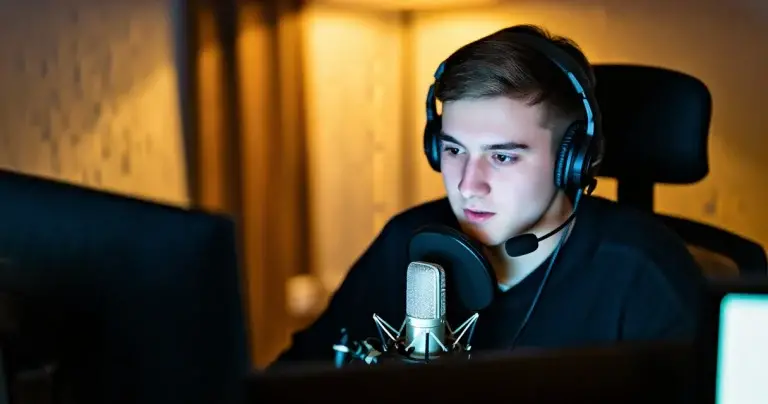
Nothing replaces an audience. Pick one or two platforms, usually Twitch or YouTube plus a short-form channel, and publish on a schedule your fans can rely on. Track average concurrent viewers and engagement rate from the start, because those are the metrics a sponsor will request first. Even a few thousand committed followers can attract regional or niche brands.
Step 2: Define your value and your niche
Decide what makes you specific. A brand finds it easier to back a recognizable angle, such as a tactical shooter coach, a family-friendly variety streamer, or an all-women competitive roster. Clarity about your niche tells sponsors exactly which of their products fits your audience, which shortens their decision.
Step 3: Assemble a professional media kit
A media kit is your résumé for brands. Keep it to a few clean pages covering your audience numbers, demographics, past collaborations, content samples, and contact details. Accurate, current figures matter more than flashy design, and inflated numbers tend to surface during a sponsor’s own audit. The next section details exactly what to include.
Step 4: Build a target list of realistic sponsors
Research brands that already advertise in gaming and whose products your audience would genuinely use. Start with companies one tier above your current size rather than the largest global names. Note their recent campaigns, the creators they back, and the gap your audience could fill, so your eventual pitch feels informed rather than generic.
Step 5: Pitch with a tailored proposal
Reach out through the right contact, often a partnerships or influencer marketing manager, with a short message that leads with value to them. Attach your media kit, propose specific deliverables, and suggest a clear next step such as a call. Personalization wins: reference the brand’s recent work and explain why your audience matches their goals.
Step 6: Negotiate, sign, and deliver
Once a brand shows interest, agree on scope, payment, exclusivity, and term in writing. Deliver everything you promised on time, then report the results back to the sponsor with screenshots and metrics. Strong delivery and honest reporting are what turn a one-off deal into a renewal, which is where the real long-term money sits.
If you are pursuing sponsorship as a whole organization rather than a solo creator, the operational side gets more involved. Our guide on how to start an esports organization covers the business foundations that make team-level deals possible.
Building a Media Kit and Proposal That Converts
Your media kit and proposal are the documents that do the selling when you are not in the room. They should answer a brand manager’s questions before they have to ask. Treat accuracy as non-negotiable, because exaggerated numbers are the fastest way to lose a deal during verification.
A strong media kit opens with a short positioning line, then moves into hard numbers. Include average concurrent viewers, monthly reach, engagement rate, and audience demographics, followed by examples of past content and any prior brand work. A proposal goes one step further by naming the specific campaign you are offering, the deliverables attached to it, the timeline, and the price. Pricing in this space varies widely, so anchor your ask to comparable creators and to the value you can document.
| Tier | Typical audience profile | Common deliverables | Illustrative deal range |
|---|---|---|---|
| Entry creator | 2,000 to 10,000 average reach | Product placement, discount codes, social posts | Free product to a few hundred dollars per month |
| Mid-tier creator or amateur team | 10,000 to 50,000 average reach | Jersey patch, sponsored streams, dedicated videos | Hundreds to low thousands per month |
| Established team or partner | 50,000 plus engaged reach | Multi-platform campaigns, event activation, exclusivity | Tens of thousands per deal and up |
Larger organizations formalize this into structured packages with named tiers, and studying their public partnerships is a fast way to learn the language brands expect. Our overview of esports organization sponsorship deals shows how teams package inventory such as jersey space, stream segments, and social content into priced bundles you can adapt at a smaller scale.
Where to Find Sponsors and How to Reach Them
Finding sponsors is part research, part networking. The brands most likely to say yes are already spending in gaming, so begin where that spending is visible. Watch which companies appear on jerseys, in stream overlays, and in tournament broadcasts, then trace those campaigns back to the people who run them.
- Endemic brands: peripheral makers, PC component companies, energy drinks, and game studios that understand the audience immediately.
- Non-endemic brands: car makers, banks, telecom carriers, and fashion labels increasingly entering esports to reach younger consumers.
- Sponsorship marketplaces and agencies: platforms and talent agencies that connect creators with brand budgets for a fee or commission.
- Local and regional businesses: overlooked but accessible, often willing to test a partnership with a community-rooted competitor.
- Existing relationships: tournament organizers, fellow creators, and managers who can introduce you to decision-makers.
Premier coverage of the sector helps you spot where money is moving before you pitch. Tracking industry reporting, including the dedicated esports coverage from outlets such as The Guardian, surfaces new entrants and fresh deals you can reference in outreach. When you contact a brand, keep the first message brief, lead with what you can do for them, and make the next step easy. Avoid mass-blasting identical emails, since partnership managers recognize templates instantly.
Patience pays. Most sponsorships start small, prove their worth, then grow into larger commitments. A regional energy brand that begins with free product may expand into a paid monthly deal once you demonstrate real sales, which is why every early partnership deserves your full effort.
Contracts, Disclosure, and Legal Essentials
A handshake is not a sponsorship. Once a brand agrees, put the terms in a written contract that both sides sign, covering deliverables, payment amount and schedule, term length, exclusivity, usage rights, and how either party can exit. Vague agreements are where disputes start, and clarity protects the smaller party most.
Disclosure is a legal obligation, not a courtesy. In the United States, the Federal Trade Commission requires creators to clearly disclose paid relationships, and its guidance for influencers explains how and where those disclosures must appear. You can read the agency’s rules directly in the FTC Disclosures 101 for Social Media Influencers, which spells out that tags such as #ad must be hard to miss. Ignoring these rules can expose both you and your sponsor to penalties.
Student competitors have an extra layer to consider. Since changes that took effect on July 1, 2021, college athletes in the United States have been able to earn money from their name, image, and likeness, a shift documented in coverage of the Name, Image and Likeness policy. Collegiate esports players can now sign sponsorships that were previously off-limits, though school and conference rules still apply, so verify your eligibility before agreeing to anything.
Reading the fine print is not optional. Exclusivity clauses can block you from working with a competitor’s rival for the whole term, and aggressive usage rights can let a brand reuse your content indefinitely. For a deeper look at the clauses that matter most, our guide to esports organization contracts explains player rights and the legal language to watch.
Common Mistakes That Cost Players Deals
Plenty of talented competitors lose sponsorships they should have won, usually for avoidable reasons. Knowing the traps in advance keeps you out of them.
- Inflating numbers: padded stats collapse the moment a brand checks analytics, and they destroy trust permanently.
- Pitching the wrong brands: approaching companies whose products your audience would never buy wastes everyone’s time.
- Leading with money: opening a pitch with your rate rather than your value reads as transactional and weak.
- Ignoring deliverables: missing promised posts or streams is the quickest way to kill a renewal.
- Skipping disclosure: hiding a paid relationship breaks FTC rules and can damage both you and the sponsor.
- Signing blind: agreeing to exclusivity or broad usage rights without reading them can lock you out of better deals later.
The competitors who avoid these errors treat sponsorship as a relationship rather than a transaction. They over-deliver early, communicate clearly, and report results without being asked. That professionalism, more than any single statistic, is what convinces a brand to keep paying and to introduce you to others.
Frequently Asked Questions
How many followers do I need to get an esports sponsorship?
There is no fixed threshold, and obsessing over follower counts misses the point. Niche and regional brands routinely partner with creators who have only a few thousand engaged viewers, because engagement and audience fit matter more than raw size. A channel with 5,000 loyal fans who use discount codes can outperform one with 50,000 passive followers. Focus on average concurrent viewers, engagement rate, and a clear niche, then approach brands one tier above your current level. As your documented results grow, larger sponsors and bigger budgets become realistic, but you can start earning long before you reach six-figure audiences.
What should an esports sponsorship media kit include?
A media kit should give a brand everything it needs to evaluate you in a few clean pages. Begin with a short positioning statement, then present your core metrics: average concurrent viewers, monthly reach, engagement rate, and audience demographics such as age and country. Add examples of your content, any previous brand collaborations and their results, and clear contact information. Keep every figure accurate and current, because sponsors verify claims against real analytics, and inflated numbers end conversations fast. Design should be professional but simple, since the data does the persuading. Update the kit regularly so it always reflects your latest performance.
How much do esports sponsorships pay?
Payment ranges enormously depending on audience size, game, region, and exclusivity. Entry-level creators often start with free product or a few hundred dollars per month, while mid-tier creators and amateur teams can earn from the hundreds into the low thousands monthly. Established teams and well-known partners sign deals worth tens of thousands of dollars or far more, especially for multi-platform campaigns and event activation. Industry analysts at Newzoo report that sponsorship and advertising make up close to 60 percent of all esports revenue, so the overall pool is large. Your individual rate should reflect the measurable value you can document, not just your follower count.
Do I have to disclose a paid sponsorship to viewers?
Yes, disclosure is a legal requirement in the United States, not an optional courtesy. The Federal Trade Commission requires creators to clearly and conspicuously reveal any paid or material relationship with a brand, using plain tags such as #ad or #sponsored placed where viewers will actually see them. Burying a disclosure in a wall of hashtags or only mentioning it verbally for a moment may not satisfy the rules. Both you and the sponsor can face consequences for failing to disclose. The FTC publishes detailed guidance for influencers, and following it protects your reputation while keeping your partnerships compliant and durable.
Can college and student esports players get sponsorships?
Many can, thanks to rule changes that took effect on July 1, 2021, allowing college athletes in the United States to profit from their name, image, and likeness. Collegiate esports players are now able to sign brand deals that were previously prohibited, from peripheral sponsorships to content partnerships. School, conference, and program policies still apply, however, and some institutions limit certain categories such as gambling or alcohol. Before agreeing to any deal, confirm your eligibility with your program and review the specific rules that govern student athletes at your school. Done correctly, sponsorship can help student competitors fund equipment, travel, and the early stages of a career.
What is the difference between an individual and a team sponsorship?
An individual sponsorship attaches a brand to a single creator or competitor, who personally delivers the agreed content and represents the product. A team sponsorship works through an organization, where the brand gains access to a full roster, shared social channels, jersey space, and event presence, often at a higher price and with more formal terms. Team deals usually involve structured packages and longer commitments, while individual deals can be quicker and more flexible. Many competitors hold both at once, with personal partnerships alongside their team’s agreements, provided no exclusivity clause creates a conflict. Always check that one deal does not breach another before signing.
For the wider strategic context behind these deals, see our pillar overview of esports sponsorship deals and brand partnerships, and for the mechanics of how brand agreements are actually structured, read esports sponsorships explained.
Sources
- Esports overview and industry revenue context – https://en.wikipedia.org/wiki/Esports
- The International prize pool records – https://en.wikipedia.org/wiki/The_International_(Dota_2)
- FTC Disclosures 101 for Social Media Influencers – https://www.ftc.gov/business-guidance/resources/disclosures-101-social-media-influencers
- Name, Image and Likeness policy – https://en.wikipedia.org/wiki/Name,_Image_and_Likeness
- The Guardian esports coverage – https://www.theguardian.com/sport/esports
Top Esports Organizations 2026: Teams, Rosters, and Performance Rankings