
Summary
✓Reviewed by Emma Thompson Eleven senior citizens from Ohio, ranging in age from 64 to 76, have been selected to represent the United States at the 2026 Global Esports Games in Los Angeles, marking the first time a U.S. team...
Table of contents
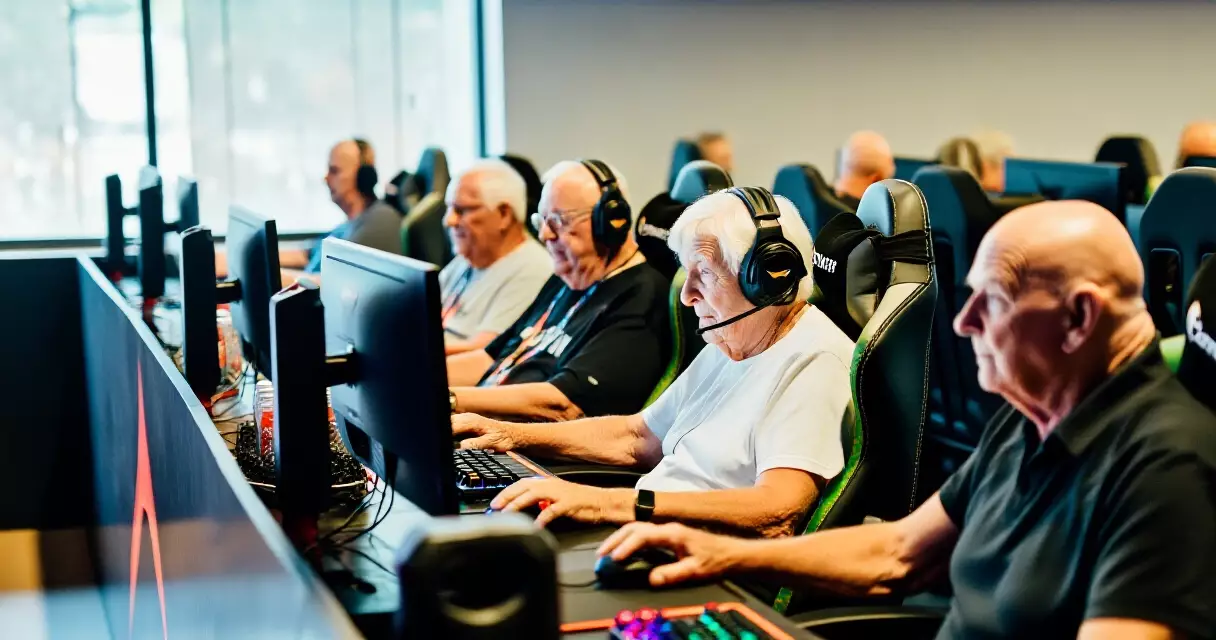
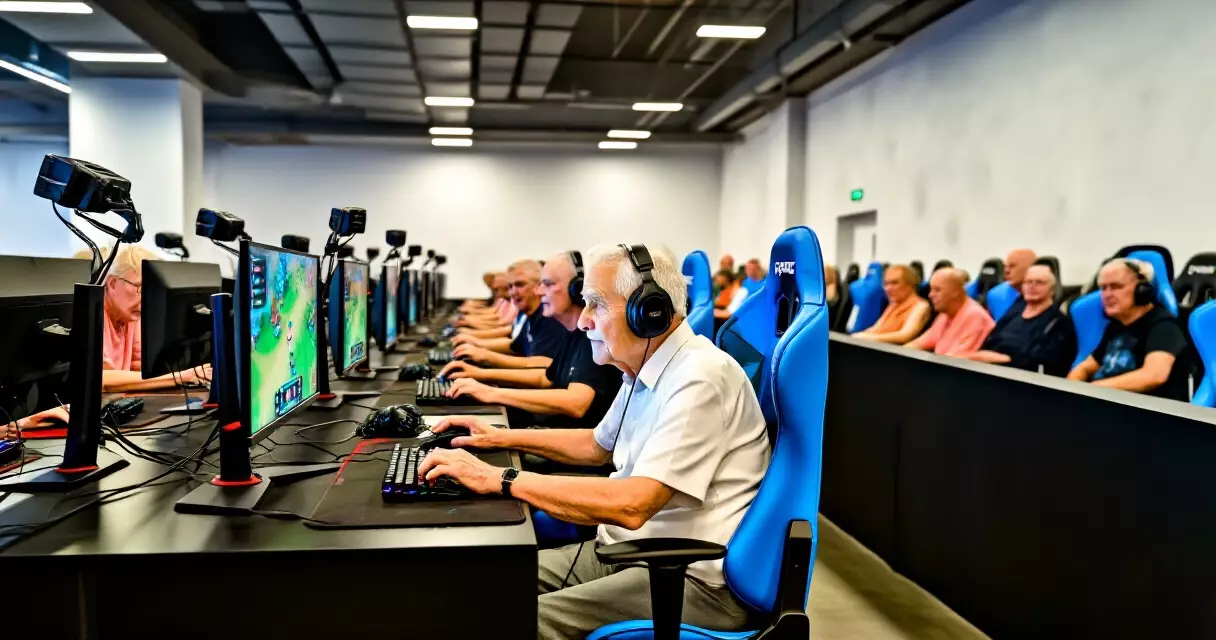
Eleven senior citizens from Ohio, ranging in age from 64 to 76, have been selected to represent the United States at the 2026 Global Esports Games in Los Angeles, marking the first time a U.S. team of senior citizens has competed at the international event, according to ABC News reporting published on August 21, 2026.
The group, whose ages span from 64 to 76, departed for Los Angeles this week to compete at the Global Esports Games — a multinational competitive gaming event organized by the Global Esports Federation (GEF). Their selection represents a significant moment in U.S. esports identity: a direct challenge to the longstanding perception that competitive gaming belongs exclusively to younger demographics.
Who Are the Ohio Senior Gamers?
The eleven competitors were selected through a regional qualifying process that assessed their gaming performance and consistency. All eleven are from Ohio and have been described in coverage as combating social isolation through gaming — a public-health angle that has drawn additional media attention to their participation. Their ages, from 64 to 76, place them in a demographic that has historically been invisible in mainstream esports coverage, let alone at the level of international competition.
ABC News reported on August 21, 2026, that the seniors are making history as the first U.S. team of senior citizens to compete at the Global Esports Games. The story gained traction on social media within hours of publication, with esports commentators noting the narrative reframes who can carry a national esports identity.
What the Global Esports Games Represents
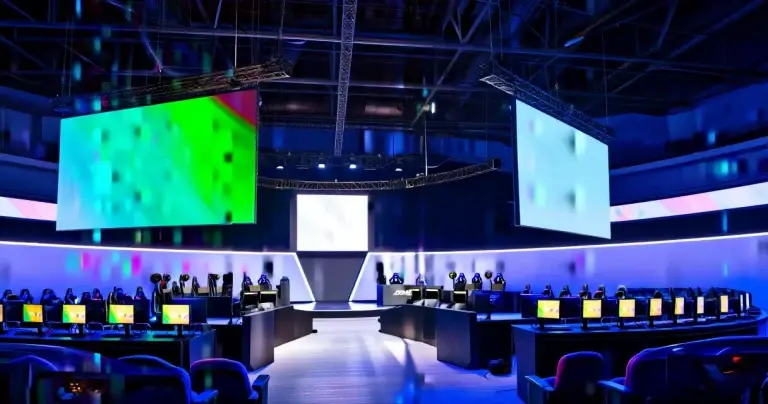
The Global Esports Games is the flagship event of the Global Esports Federation, the international body that has worked since 2019 to establish esports as a globally recognized competitive discipline with formal national representation structures. The Los Angeles edition of the event in 2026 brings together national delegations from across the world, with the U.S. fielding teams across multiple game titles and demographic categories.
For the esports community and its ongoing debates around identity — who esports is for, who it represents, and what the face of competitive gaming looks like — the Ohio senior delegation carries outsized symbolic weight. Esports organizations have spent years arguing that competitive gaming transcends the stereotypical teenage-male demographic. A team of seniors averaging well past retirement age, competing at an international level, is among the most concrete demonstrations of that argument to date.
The Identity Angle: Seniors, Representation, and the Esports Image
The intersection of age identity and esports identity is not a new conversation, but the Ohio team’s participation at a named international event gives it immediate news value. Esports journalists and advocates have long pointed to the industry’s narrow self-image — predominantly young, predominantly male — as a barrier to broader institutional recognition and mainstream media legitimacy.
The ABC News coverage specifically highlighted the social dimension: senior gamers using competitive gaming as a tool against loneliness and social isolation, a trend that has grown steadily since the early 2020s. Several U.S. retirement communities and senior centers have introduced structured gaming programs since 2021, and organizations like Esports Entertainment Group and various collegiate esports bodies have begun piloting senior inclusion initiatives. The Ohio group’s journey to Los Angeles is the most high-profile result of that broader movement so far in 2026.
The story also lands against a backdrop of ongoing U.S. esports governance development. Esports recognition debates in 2026 have centered on whether competitive gaming can achieve formal sport status — and inclusive participation stories like this one are exactly the kind of evidence advocates use when making the case to institutional bodies like the U.S. Olympic and Paralympic Committee.
Key Facts at a Glance
| Detail | Information |
|---|---|
| Event | 2026 Global Esports Games |
| Location | Los Angeles, California |
| U.S. Senior Team Size | 11 competitors |
| Age Range | 64 to 76 years old |
| Home State | Ohio |
| Historical Significance | First U.S. senior citizen team at the Global Esports Games |
| Story Published | August 21, 2026 (ABC News) |
Why This Story Matters for Esports Reporting
For esports journalists and the outlets that cover the space, the Ohio team’s presence in Los Angeles is a case study in how esports news is evolving. Coverage once dominated by tournament brackets, roster transfers, and prize pool announcements now routinely includes governance, identity, mental health, and social impact angles. The senior gamers story sits squarely in that expanded editorial space.
ABC News — a mainstream broadcast outlet with no dedicated esports desk — leading coverage of this story is itself newsworthy. Crossover coverage from non-endemic outlets has historically been a marker of which esports stories break into the wider cultural conversation. The human-interest element here — seniors combating loneliness through gaming, then representing their country internationally — clearly clears that bar.
The story also adds a layer to reporting on esports viewership and audience expansion in 2026, which has shown growing interest from audiences outside the traditional 18-34 demographic. If senior participation at elite levels becomes more visible, it may accelerate both audience diversification and sponsorship interest from brands targeting older consumers — a segment historically underserved by esports marketing.
What to Watch Next
Competition at the 2026 Global Esports Games in Los Angeles is ongoing. The Ohio senior team’s results have not yet been reported as of August 22, 2026, and follow-up coverage from both esports-endemic outlets and mainstream media is expected as the event progresses. The visibility the team receives — in terms of broadcast time, social media coverage, and post-event press — will itself be a data point in the broader conversation about who esports chooses to platform and celebrate.
More broadly, the Global Esports Federation’s decision to field national senior delegations signals a deliberate push to widen esports’ demographic profile ahead of its continued bid for Olympic recognition. Whether that strategy translates into lasting institutional change or remains a feel-good footnote in 2026’s esports calendar will depend on how organizations, media outlets, and sponsors respond in the weeks ahead.