
Summary
When a single organization has run live esports events since the year 2000, staged sell-out shows in 18,000-seat arenas, and accumulated a platform user base of more than 20 million registered accounts across 180 countries, its venues deserve serious scrutiny....
Table of contents
- 1 What Is ESL FACEIT Hub? A Brief History
- 2 Flagship ESL FACEIT Hub Venues: Global Locations Reviewed
- 3 IEM Katowice and Spodek Arena: The Crown Jewel
- 4 Barclays Arena Cologne and ESL One: Where the Legacy Was Built
- 5 Production Quality: Broadcast, Stage, and Technology Standards
- 6 Games Portfolio: Which Titles ESL FACEIT Hub Covers
- 7 Prize Pools, Event Tiers, and How ESL FACEIT Hub Is Structured
- 8 ESL FACEIT Hub vs. Competitors: How It Compares
- 9 Pros and Cons of ESL FACEIT Hub Arenas
- 10 Frequently Asked Questions About ESL FACEIT Hub Arenas
- 10.1 What is ESL FACEIT Hub and who owns it?
- 10.2 Which ESL FACEIT Hub venue is considered the best?
- 10.3 How many viewers do ESL FACEIT Hub events attract?
- 10.4 What games does ESL FACEIT Hub run events for?
- 10.5 Are ESL FACEIT Hub events open to the public?
- 10.6 How does the FACEIT platform connect to live arena events?
- 10.7 How do ESL prize pools compare to other major esports events?
- 10.8 What is IEM Katowice and why is it so important to esports?
- 11 Sources
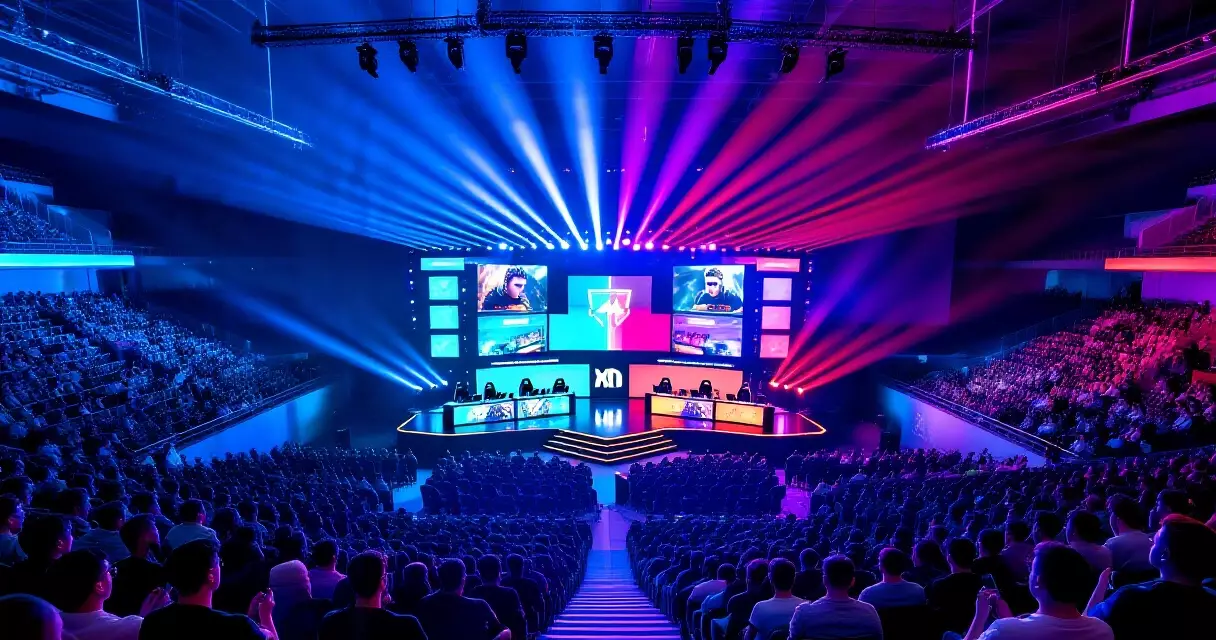
When a single organization has run live esports events since the year 2000, staged sell-out shows in 18,000-seat arenas, and accumulated a platform user base of more than 20 million registered accounts across 180 countries, its venues deserve serious scrutiny. ESL FACEIT Group – formed in early 2022 when Savvy Gaming Group merged ESL Gaming and FACEIT under one roof in a combined acquisition valued at roughly $1.5 billion USD – now operates the world’s largest third-party esports event circuit. From the iconic Spodek arena in Katowice, Poland, to sold-out nights at Barclays Arena in Cologne, Germany, ESL FACEIT Hub arenas set a production standard that every other organizer is measured against.
What Is ESL FACEIT Hub? A Brief History
ESL Gaming was founded in Cologne, Germany in 2000 by Ralf Reichert and colleagues, originally under the name Electronic Sports League. It started as a German LAN circuit and grew steadily into a global event powerhouse. The Intel Extreme Masters (IEM) brand launched in 2006 as a joint venture with Intel, giving ESL a flagship multi-city global tour that visited dozens of markets over nearly two decades. Swedish media conglomerate MTG (Modern Times Group) acquired a majority stake in ESL around 2015 and eventually owned it outright before the Savvy Gaming Group purchase.
FACEIT arrived later, founded in London in 2012 by Michele Attisani and Niccolo Maisto. Rather than a live-event organizer, FACEIT built an online competitive gaming platform focused on matchmaking, ranked ladders, and automated tournaments. By the time Savvy Gaming Group acquired it in 2021, FACEIT claimed more than 20 million registered users. Its most visible live moment was the FACEIT London Major 2018, held at The O2 Arena, which drew peak concurrent Twitch viewership of approximately 1.08 million for the CS:GO Grand Final.
The January 2022 merger of ESL and FACEIT into ESL FACEIT Group (EFG) created an organization that combines a live event circuit spanning five-plus game titles with one of the largest online competitive platforms in the world. Savvy Gaming Group is itself the esports and gaming investment arm of Saudi Arabia’s Public Investment Fund (PIF), giving EFG sovereign-wealth-fund backing that no rival third-party organizer can match.
Flagship ESL FACEIT Hub Venues: Global Locations Reviewed
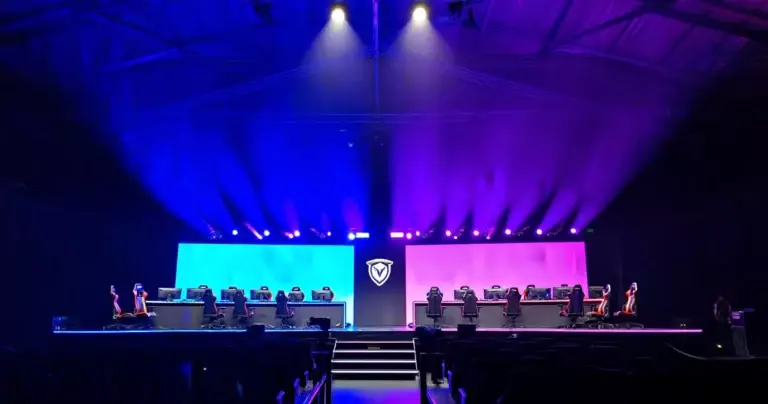
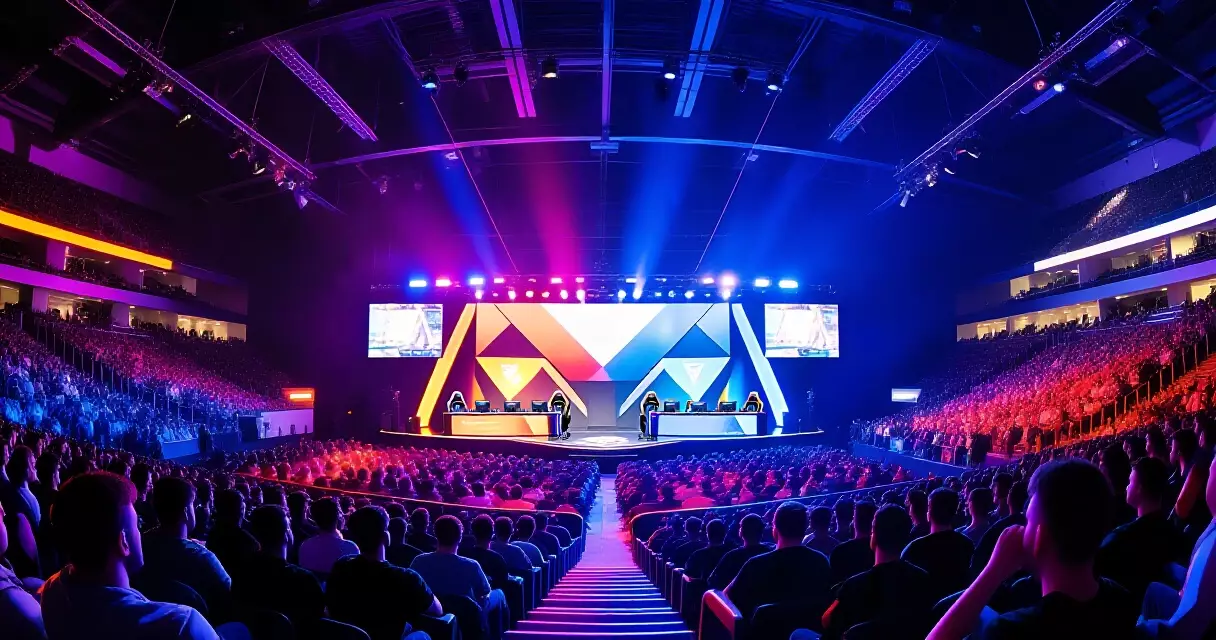
ESL FACEIT Hub does not own dedicated permanent arena infrastructure the way a sports franchise does. Instead, EFG partners with existing large-capacity venues around the world and transforms them into purpose-configured esports production environments for the duration of each event. The consistency of that transformation – the stage design, broadcast infrastructure, and crowd management – is where EFG’s quality really shows. Here is a breakdown of the major venues in regular rotation.
| Venue | City / Country | Capacity (Esports Config.) | Primary Event | Games Hosted |
|---|---|---|---|---|
| Spodek Arena + ICC Katowice | Katowice, Poland | ~11,500 (Spodek main) | IEM Katowice | CS2, StarCraft II |
| Barclays Arena (formerly Lanxess Arena) | Cologne, Germany | ~12,000–15,000 | ESL One Cologne | CS2 / CS:GO |
| Farmasi Arena (formerly Jeunesse Arena) | Rio de Janeiro, Brazil | ~18,000 | IEM Rio Major | CS2 / CS:GO |
| The O2 Arena | London, UK | ~20,000 | FACEIT Major 2018 | CS:GO |
| Kay Bailey Hutchison Convention Center | Dallas, Texas, USA | ~3,000–5,000 (main stage) | IEM Dallas | CS2 |
| Resorts World Arena / NEC | Birmingham, UK | ~15,700 | ESL One Birmingham | Dota 2 |
| NSCI Dome / Dome @ NSCI SVP Stadium | Mumbai, India | ~8,000 | ESL One Mumbai | Dota 2 |
IEM Katowice and Spodek Arena: The Crown Jewel
IEM Katowice is, by almost any measure, the most prestigious event on the ESL calendar. Held annually at Spodek Arena in Katowice, Poland since 2014, it has run for over a decade in the same iconic flying-saucer-shaped building. Spodek holds approximately 11,500 spectators in esports configuration, and the adjacent International Congress Centre (ICC Katowice) serves as an overflow viewing area, EXPO floor, and secondary stage space – expanding the event’s total physical footprint well beyond the arena alone.
The Polish esports audience is one of the most passionate in Europe, and IEM Katowice crowds have become famous for their atmosphere. The 2019 edition of IEM Katowice in CS:GO is frequently cited by players, casters, and production staff as a benchmark for what a live esports event atmosphere can be, with sell-out attendance and a crowd noise level that rivaled traditional sporting events. IEM Katowice serves double duty: it hosts both CS2 competition and, in recent years, a StarCraft II event running alongside it, making it one of the few major Western events to maintain dedicated StarCraft II programming.
Prize pools at IEM Katowice depend on whether the event holds Valve Major status. When it functions as a CS2 Major – the highest tier of Valve-sanctioned competition – the prize pool reaches $1,000,000 USD, partially funded through Valve’s sticker capsule revenue-sharing model (Valve contributes 50% of in-game sticker sales to the prize pool). Non-Major IEM Katowice iterations have offered prize pools in the $250,000–$500,000 range.
Barclays Arena Cologne and ESL One: Where the Legacy Was Built
If IEM Katowice is ESL’s most celebrated event, ESL One Cologne is where its reputation for large-arena esports was cemented. The first ESL One Cologne events in 2014 and 2015 at what is now called Barclays Arena (rebranded from Lanxess Arena in 2023) demonstrated that European esports fans would fill a 12,000–15,000-seat indoor arena night after night for Counter-Strike competition. Those early Cologne events essentially proved to venue operators, sponsors, and skeptics that esports could operate at the same physical scale as mainstream live entertainment.
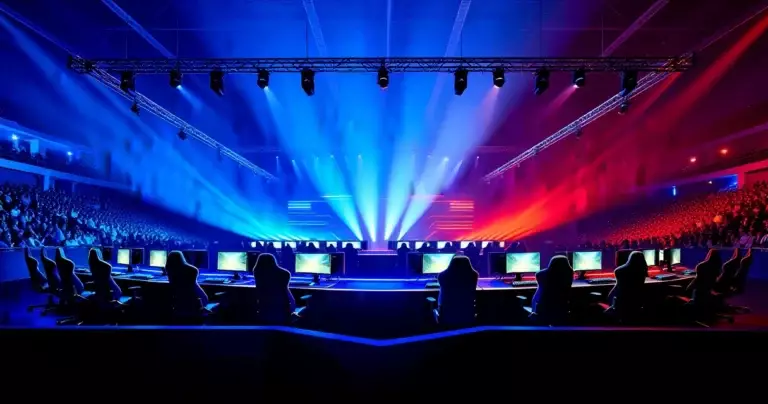
Barclays Arena’s maximum concert capacity is approximately 18,000, but esports stage and broadcast infrastructure typically reduces the usable spectator area to roughly 12,000–15,000 seats. ESL One Cologne prize pools in the CS:GO era ranged from $300,000 to $1,000,000 depending on format and Valve Major designation. The event’s production setup includes full LED backdrop walls spanning the width of the main stage, overhead crane camera shots, multilingual commentary booths, and broadcast-standard player booths meeting Valve’s technical requirements for Major events.
“ESL One Cologne did not just grow esports – it forced the wider live entertainment industry to take competitive gaming seriously as a venue-filling spectacle.”
Production Quality: Broadcast, Stage, and Technology Standards
ESL FACEIT Hub’s production quality is one of its clearest competitive advantages over smaller organizers. Flagship events are broadcast in Full HD (1080p) as standard, with some events pushing 4K output for specific platform integrations. More significant than resolution, however, is the multilingual broadcast operation: major EFG events run simultaneous streams in English, Portuguese, Russian, Spanish, German, and additional languages, with total language coverage at flagship events reaching 10–15 streams. This is a resource-intensive operation that few organizers can sustain.
Peak concurrent viewership at ESL FACEIT Hub CS2 events regularly exceeds one million across combined platforms. IEM Katowice 2024 drew over one million peak concurrent viewers. The FACEIT London Major 2018 peaked at approximately 1.08 million concurrent Twitch viewers for its CS:GO Grand Final. For context, Valve’s CS:GO Major viewership records were set under different streaming conditions – the PGL Antwerp Major 2022 (a PGL-organized event, not ESL) reached approximately 2.7 million peak concurrent viewers across all platforms, which remains the CS benchmark.
On the physical production side, ESL main stages at flagship events feature full-width LED backdrop walls estimated at 20–30 meters wide at larger venues, broadcast cameras including jib and overhead crane positions, dedicated player booths with acoustic isolation meeting Valve’s technical specifications, and high-end programmable lighting rigs synchronized to game action. ESL also operates dedicated broadcast studios in Cologne for online league production – primarily serving the ESL Pro League (EPL), the premier online CS2 league running in seasonal formats with live Finals events.
For fans interested in understanding what goes into the technical infrastructure behind events at this level, our overview of esports venue technology requirements breaks down the network, AV, and stage setup standards that organizers like EFG must meet at every event.
Games Portfolio: Which Titles ESL FACEIT Hub Covers
ESL FACEIT Group runs live and online competition across several titles, with CS2 (Counter-Strike 2) remaining the clear flagship. ESL has organized CS:GO and CS2 events since approximately 2012 and has hosted more Valve CS Majors than any other single company. The IEM and ESL One brand names cover CS2 at the flagship and secondary tier respectively, while ESL Pro League serves as the premier online league with seasonal Finals events.
StarCraft II is EFG’s second deepest legacy. IEM Katowice has run a StarCraft II event alongside CS since 2012, and ESL co-organized the ESL Pro Tour for SC2 in partnership with AfreecaTV (now Chive TV). Dota 2 is covered by the ESL One brand globally, with events in Birmingham, Mumbai, and other markets; ESL is a Dota 2 Major and Minor organizer within Valve’s ecosystem. Rainbow Six Siege was covered for several seasons through the Rainbow Six Pro League in partnership with Ubisoft.
VALORANT is an area where EFG’s role is intentionally limited. Riot Games directly controls the VALORANT Champions Tour (VCT), meaning third-party organizers have no path to running premier VALORANT competition. FACEIT’s platform does support VALORANT matchmaking and community tournaments, but EFG is not an official VCT partner organizer. Similarly, League of Legends is a Riot-controlled circuit, placing it outside EFG’s live event portfolio.
Prize Pools, Event Tiers, and How ESL FACEIT Hub Is Structured
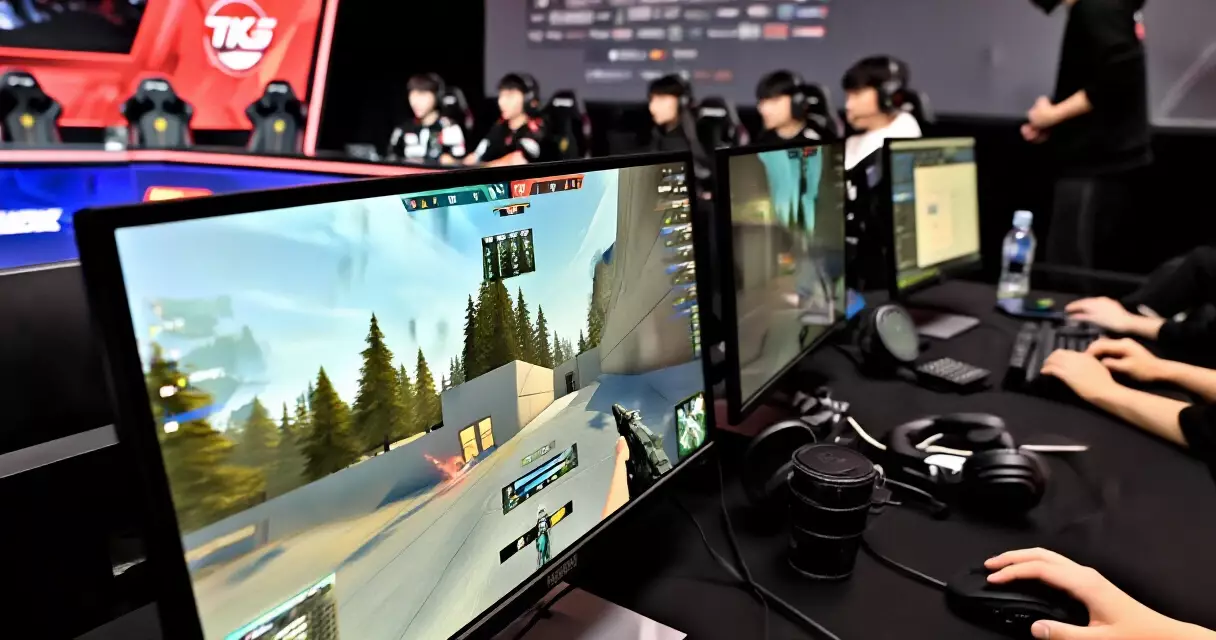
ESL FACEIT Hub events follow a tiered structure that determines prize pool, broadcast commitment, and qualifying pathway. At the top sits the CS2 Major designation – a Valve-controlled status that ESL must apply for and which comes with mandated minimum prize pools and format requirements. Below that, the IEM and ESL One brands cover a range of prize pool levels depending on market and title. The FACEIT platform operates at the community and semi-professional level, feeding talent pipelines upward toward live events.
| Event / Series | Game | Typical Prize Pool | Tier |
|---|---|---|---|
| IEM Katowice (Major) | CS2 | $1,000,000 | Valve Major (top tier) |
| IEM Rio Major | CS2 / CS:GO | $1,000,000–$1,250,000 | Valve Major (top tier) |
| FACEIT London Major 2018 | CS:GO | $1,000,000 | Valve Major (top tier) |
| ESL Pro League Finals | CS2 | $750,000–$850,000 | ESL Pro League (secondary) |
| IEM Dallas | CS2 | $500,000–$1,000,000 | IEM (secondary–Major) |
| ESL One Cologne | CS2 / CS:GO | $300,000–$1,000,000 | ESL One (secondary–Major) |
| ESL One Birmingham | Dota 2 | $300,000–$500,000 | ESL One (Dota) |
| ESL One Mumbai | Dota 2 | ~$300,000 | Regional / developing market |
The Valve sticker capsule model is worth understanding for CS2 specifically: Valve contributes 50% of in-game player sticker capsule sales to the Major prize pool. At highly anticipated events with strong sticker demand, this can significantly boost the base prize pool. The $1,250,000 figure for IEM Rio Major 2022 CS:GO reflects this mechanism in action during a particularly popular event.
For a broader look at how venues like these generate revenue beyond ticket sales and prize pool sponsorships, our piece on how esports venues make money covers the full revenue model in detail.
ESL FACEIT Hub vs. Competitors: How It Compares
ESL FACEIT Group occupies a unique position in the esports organizer landscape. It is the dominant third-party organizer for CS2 and a major force in Dota 2 and StarCraft II, but it operates in a world where the most watched titles – VALORANT and League of Legends – are controlled by their publisher (Riot Games) and not available to third-party organizations. Here is how EFG stacks up against its closest peers.
PGL (Professional Gamers League) is EFG’s closest rival for CS2 Major events. PGL is a Romanian company that has organized several CS:GO and CS2 Majors, including the PGL Antwerp Major 2022, Paris Major 2023, and Copenhagen Major 2024. PGL’s events are generally well-produced but operate without EFG’s financial depth or breadth of live event infrastructure. The PGL Antwerp Major 2022 set the all-time CS peak viewer record at approximately 2.7 million concurrent viewers across platforms.
BLAST Premier runs a competing CS2 circuit focused on a smaller pool of partnered teams in a league format, with flagship events including the BLAST Premier World Final. BLAST has carved out a strong identity with high production values and a loyal partner team structure, but operates at a narrower scale than ESL Pro League. Riot Games, while technically a competitor in the organizer space, functions more as a publisher that runs its own in-house circuits (VCT, Worlds, MSI) rather than a traditional third-party event company.
EFG’s single most significant structural advantage over all these competitors is its Savvy Gaming Group backing. Access to Saudi Arabia’s Public Investment Fund capital means EFG can sustain financial losses on individual events, maintain permanent broadcast studio infrastructure, invest in technology development, and pursue global expansion into markets – like India and the Middle East – where return on investment is longer-term. No private esports organizer has comparable financial runway.
“No other third-party esports organizer combines ESL FACEIT Group’s event volume, venue scale, title breadth, and sovereign-wealth-fund financial backing – that combination is genuinely without peer in 2026.”
For a broader ranked comparison of the world’s top esports venues across all organizers, see our ranking of the 15 best esports arenas in the world, which places several ESL-partner venues in the top tier. You can also compare EFG’s Riot-operated venues directly in our Riot Games Arena Los Angeles review.
Pros and Cons of ESL FACEIT Hub Arenas
No event circuit is without trade-offs. Here is an honest assessment of where ESL FACEIT Hub venue experiences excel and where they fall short.
Strengths: Production consistency across venues is high – EFG’s production team has refined the same stage configuration, broadcast workflow, and technical rider over many years, meaning a spectator at IEM Katowice and a spectator at IEM Dallas see a recognizably similar product. Multilingual broadcast coverage is unmatched by any rival third-party organizer. The choice of venues across multiple continents makes EFG the most globally distributed live circuit for CS2. The FACEIT platform’s online infrastructure feeds directly into live event qualifying, creating a genuine grassroots-to-LAN pathway for players.
Weaknesses: EFG does not own its venues, which means it is subject to venue operator scheduling conflicts, rental costs, and the rebranding cycles that affect partner arenas (Lanxess to Barclays, Jeunesse to Farmasi). The Intel sponsorship exit in 2023 raised questions about the long-term financial structure of flagship events. North American event footprints remain limited relative to Europe – IEM Dallas draws respectable attendance but does not match the atmosphere of a sell-out Spodek crowd. Prize pools outside the CS2 Major tier are relatively modest for a company of EFG’s scale, which can limit star-player participation at non-Major events.
For those thinking about what it takes to build or configure a venue to EFG’s standards from the ground up, our guide on how to build an esports venue covers costs, design considerations, and infrastructure requirements in depth.
Frequently Asked Questions About ESL FACEIT Hub Arenas
What is ESL FACEIT Hub and who owns it?
ESL FACEIT Group (EFG) is the merged entity created in early 2022 when Savvy Gaming Group acquired both ESL Gaming and FACEIT and combined them into a single organization. Savvy Gaming Group is the esports and gaming investment arm of Saudi Arabia’s Public Investment Fund (PIF), one of the world’s largest sovereign wealth funds. The combined acquisition was valued at approximately $1.5 billion USD, making it among the largest transactions in esports history. EFG maintains legacy headquarters in both Cologne, Germany (ESL’s original base) and London, UK (FACEIT’s original base).
Which ESL FACEIT Hub venue is considered the best?
Spodek Arena in Katowice, Poland – home of IEM Katowice – is widely considered ESL’s flagship venue and the most prestigious location on the EFG circuit. Running at the same arena continuously since 2014, IEM Katowice has developed an unrivaled atmosphere driven by a passionate Polish CS audience, a 11,500-capacity arena that sells out reliably, and over a decade of accumulated local infrastructure and community engagement. The 2019 edition is frequently cited by participants and analysts as the benchmark for live esports atmosphere. Barclays Arena Cologne is typically cited as second, given its role in establishing ESL’s large-arena reputation in the CS:GO era.
How many viewers do ESL FACEIT Hub events attract?
Peak concurrent viewership at ESL FACEIT Group’s flagship CS2 events regularly exceeds one million viewers across combined streaming platforms. IEM Katowice 2024 drew over one million peak concurrent viewers. The FACEIT London Major 2018 peaked at approximately 1.08 million concurrent viewers on Twitch for its CS:GO Grand Final. EFG events also run multilingual parallel streams in 10–15 languages simultaneously, meaning total unduplicated reach across all streams is significantly higher than any single-stream peak figure suggests. For context, the all-time CS Major peak concurrent record – approximately 2.7 million viewers across platforms – belongs to the PGL Antwerp Major 2022, not an EFG event.
What games does ESL FACEIT Hub run events for?
CS2 (Counter-Strike 2) is EFG’s primary and most prominent title, covering the full range from the online FACEIT matchmaking platform through ESL Pro League to IEM and CS2 Major events. StarCraft II is covered through IEM Katowice’s annual SC2 event and the ESL Pro Tour in partnership with Chive TV (formerly AfreecaTV). Dota 2 is covered by the ESL One brand across multiple global locations. Rainbow Six Siege was a significant EFG title through the Rainbow Six Pro League partnership with Ubisoft. VALORANT and League of Legends are not part of EFG’s premier live event circuit, as Riot Games controls those titles’ official competition structures directly. FACEIT’s platform does support VALORANT community-level matchmaking and automated tournaments.
Are ESL FACEIT Hub events open to the public?
Yes, ESL FACEIT Hub live events sell spectator tickets to the general public. Major events like IEM Katowice and ESL One Cologne are popular enough to sell out, so purchasing tickets early is advisable. Ticket types typically include general admission floor/standing options as well as reserved seating, with VIP packages available at premium prices that include hospitality, dedicated viewing areas, and sometimes meet-and-greet access. For Valve CS2 Majors, a portion of tickets may also be distributed through Valve’s own systems via in-game integration. Online streams for all events remain free to watch on platforms including Twitch and YouTube.
How does the FACEIT platform connect to live arena events?
The FACEIT platform functions as the grassroots and semi-professional layer of ESL FACEIT Group’s broader ecosystem. With over 20 million registered users, FACEIT hosts ranked matchmaking, hub-based competitions, and online open tournaments across supported titles. For CS2 specifically, FACEIT operates as a primary matchmaking alternative to Valve’s own matchmaking, offering higher skill-level competition for serious players. Qualifying pathways for major live events – including ESL Pro League and IEM qualifiers – often run through FACEIT’s infrastructure, creating a direct pipeline from community-level online play to professional LAN competition. This integration is a structural advantage that standalone live event organizers like PGL do not have.
How do ESL prize pools compare to other major esports events?
At the CS2 Major tier, ESL FACEIT Hub prize pools of $1,000,000 are in line with industry norms for Valve-sanctioned events and competitive with rival Major organizer PGL. However, when benchmarked against publisher-controlled circuits like Riot Games’ VALORANT Champions Tour or Dota 2’s The International (which has featured prize pools exceeding $40 million in crowdfunded editions), EFG’s prize pools look relatively conservative. The key difference is funding model: Valve’s The International prize pool was historically crowdfunded through compendium purchases, inflating totals far beyond what sponsor-funded events can sustain. ESL’s prize pools reflect a sponsor-and-rights-fee-funded model rather than direct crowdfunding, making the comparison somewhat misleading.
What is IEM Katowice and why is it so important to esports?
IEM Katowice is the annual esports event held at Spodek Arena in Katowice, Poland, organized by ESL FACEIT Group under the Intel Extreme Masters brand (now operating as IEM following Intel’s departure from the title sponsorship in 2023). It has run since 2012, with the Spodek Arena as its home since 2014. IEM Katowice is significant for several reasons: it is the longest-running major international CS event tied to a single city and venue; it consistently draws the most passionate and largest esports crowds in Europe; it serves double duty by hosting both CS2 and StarCraft II; and when it holds Valve Major status, it is one of the two or three most important events on the CS2 calendar in any given year. Its cultural significance in Poland’s esports community in particular has made it something closer to a national sporting event than a typical LAN tournament.
Sources
- Wikipedia – ESL FACEIT Group
- Public Investment Fund (PIF) of Saudi Arabia – pif.gov.sa
- Wikipedia – VALORANT Champions Tour
- Wikipedia – Intel Extreme Masters
- Wikipedia – ESL Gaming
- Liquipedia – Counter-Strike event prize pool data
Top Esports Organizations 2026: Teams, Rosters, and Performance Rankings