
Summary
✓Reviewed by Emma ThompsonGlobal esports revenue crossed US$5 billion in 2026, and sponsorship and media rights together account for roughly 65% of that total. Creating value in esports through branding, marketing, and sponsorship has become the central commercial question for...
Table of contents
- 1 What Creating Value in Esports Actually Means
- 2 A Short History of How Esports Sponsorship Got Here
- 3 Why Branding Matters Before Sponsorship Can Work
- 4 How Sponsorship Revenue Is Actually Structured
- 4.1 Endemic vs Non-Endemic Sponsors
- 4.2 Long-Running Partnerships as a Value Signal
- 5 Singapore’s Policy Shift and Local Value Creation
- 6 League Franchising as a Branding and Sponsorship Vehicle
- 7 Measuring Whether Sponsorship Is Actually Working
- 8 Broadcast Production as a Sponsorship Asset
- 9 Roster Stability and Its Effect on Sponsor Confidence
- 10 Limitations and What This Overview Does Not Cover
- 11 Frequently Asked Questions
- 11.1 What makes esports attractive to sponsors compared with traditional sports?
- 11.2 How do branding and sponsorship generate revenue in esports?
- 11.3 What is the difference between endemic and non-endemic sponsors?
- 11.4 How does Singapore’s esports recognition affect sponsorship value?
- 11.5 Why do some esports sponsorships fail to deliver value?
- 11.6 Is league-level or club-level sponsorship a better value proposition?
- 12 Sources
Global esports revenue crossed US$5 billion in 2026, and sponsorship and media rights together account for roughly 65% of that total. Creating value in esports through branding, marketing, and sponsorship has become the central commercial question for teams, publishers, and the brands that back them, and Singapore’s own policy shift this year has raised the stakes for how that value gets built and measured.
What Creating Value in Esports Actually Means
Creating value in esports, in practical terms, means turning audience attention into commercial outcomes that both organisations and sponsors can point to. According to Reuters, the global esports audience reached around 641 million people in 2026, and that scale is what makes branding and sponsorship viable as a business model in the first place. A team or league without a distinct brand identity struggles to hold sponsor attention once the novelty of esports itself wears off, which is why organisations increasingly treat their visual identity, tone, and community presence as commercial assets rather than cosmetic choices.
Marketing sits between the two: it is the mechanism that converts a brand identity into visibility, and it is what sponsors are ultimately paying to access. Research from the University of Portsmouth research portal describes sponsorship as a tool that augments brand awareness while facilitating communication with a target audience, which is a more precise description than simply calling it advertising.
A Short History of How Esports Sponsorship Got Here
Esports sponsorship began as small-scale hardware and peripheral deals in the 2000s and early 2010s, largely limited to gaming-adjacent brands. That changed as prize pools and viewership scaled through the 2010s, drawing in telecoms, energy drinks, and eventually banks and automakers. The current phase, running through 2026, is defined by formal sporting recognition: Singapore’s Parliament passed the Singapore Sports Council (Amendment) Bill in January 2026, which Channel NewsAsia reported formally recognised esports, alongside chess and bridge, as sports. That recognition matters commercially because it gives sponsors the governance and legitimacy signals that non-endemic brands typically require before committing budget.
Why Branding Matters Before Sponsorship Can Work
A sponsor cannot buy trust it has no way to verify, so brand consistency becomes the foundation sponsorship is built on. Teams that maintain a stable identity, from jersey design to social tone, give sponsors a predictable environment to attach their own reputation to. This is also why press coverage discipline matters: organisations that mishandle their own announcements undermine the brand equity sponsors are paying for, a pattern covered in our piece on common esports press release mistakes.
Sponsorship augments brand awareness while facilitating communication with the target audience, and it supports the sports events themselves.
How Sponsorship Revenue Is Actually Structured
Sponsorship in esports is not a single revenue line; it splits across league-level deals, club-level deals, event sponsorships, and creator or player endorsements. A study indexed on PubMed/NCBI found that Tencent-managed league-level sponsorship portfolios were stable and diversified, while most club-level portfolios were volatile and concentrated around fewer sponsors. That distinction matters for value creation: a league can spread sponsor risk across many partners and titles, while an individual club is more exposed if a single major sponsor exits.
Endemic vs Non-Endemic Sponsors
Endemic sponsors, such as peripheral and hardware makers, entered esports early because their products serve the audience directly. Non-endemic sponsors, including banks, telecoms, and consumer brands, are a newer wave drawn in by audience scale rather than product fit. Research from ZHAW’s digital collection found that non-endemic sponsors can still benefit through enhanced attitudes, perceived goodwill, and stronger purchase intentions among esports consumers, even without a direct product link to gaming.
Long-Running Partnerships as a Value Signal
Duration itself has become a credibility signal in esports sponsorship. Multi-year renewals tell the market that a sponsor sees compounding, not one-off, returns, which is part of why our coverage of Team Liquid and Alienware extending their partnership drew attention across the industry as a benchmark for what a durable esports sponsorship can look like.
Singapore’s Policy Shift and Local Value Creation
Singapore’s formal recognition of esports as a sport changes the local calculus for brand and sponsorship value. Channel NewsAsia reported that Sport Singapore will calibrate its support based on specific needs, governance standards, and contributions to national sporting objectives, which signals that access to public funding and venues will increasingly depend on organisational professionalism, not just competitive results. Sport Singapore’s own Committee of Supply materials describe a Major Sports Event Fund of $165 million set aside over four years, alongside an additional $20 million for the One Team Singapore Fund, which operates as a dollar-for-dollar matching grant to encourage corporate and public donations to athletes.
This kind of institutional backing has knock-on effects for the local esports economy, a trend already visible in how the scene has grown into a recognised commercial sector, as detailed in our report on esports emerging as a major economic force in Singapore.
League Franchising as a Branding and Sponsorship Vehicle
League franchising has become one of the clearest structural tools for creating sustained sponsorship value, since it replaces relegation risk with long-term slots that sponsors and investors can plan around. This shift toward more predictable league structures is reshaping how teams negotiate sponsorship terms, a subject covered in depth in our analysis of esports league franchising trends for 2026.
| Sponsorship level | Typical sponsor type | Portfolio risk profile |
|---|---|---|
| League-level | Telecoms, banks, consumer tech | Diversified and comparatively stable (PubMed/NCBI) |
| Club-level | Endemic hardware, regional brands | More concentrated and volatile (PubMed/NCBI) |
| Event/tournament | Energy drinks, travel, consumer goods | Short-term, tied to a single event’s reach |
| Player/creator | Apparel, lifestyle, fintech | Tied to individual performance and visibility |
Measuring Whether Sponsorship Is Actually Working
A study published in the International Journal of Sports Marketing and Sponsorship examined effective advertisement placements for sponsors of professional esports matches, underscoring that placement quality, not just logo presence, determines sponsorship effectiveness. This lines up with broader industry findings that despite tremendous growth in esports sponsorship investment, activation quality on the sponsee side still varies widely, according to a paper published by the Global Academy of Interdisciplinary Sciences.

Editorial accuracy matters just as much for sponsorship-adjacent coverage as it does for match reporting, since misreported deal terms or rumoured sponsorships can distort how the market values a brand relationship. That is part of why disciplined reporting practices, of the kind outlined in our comparison of esports news reporting versus commentary, matter to sponsors monitoring their own brand exposure.
Broadcast Production as a Sponsorship Asset
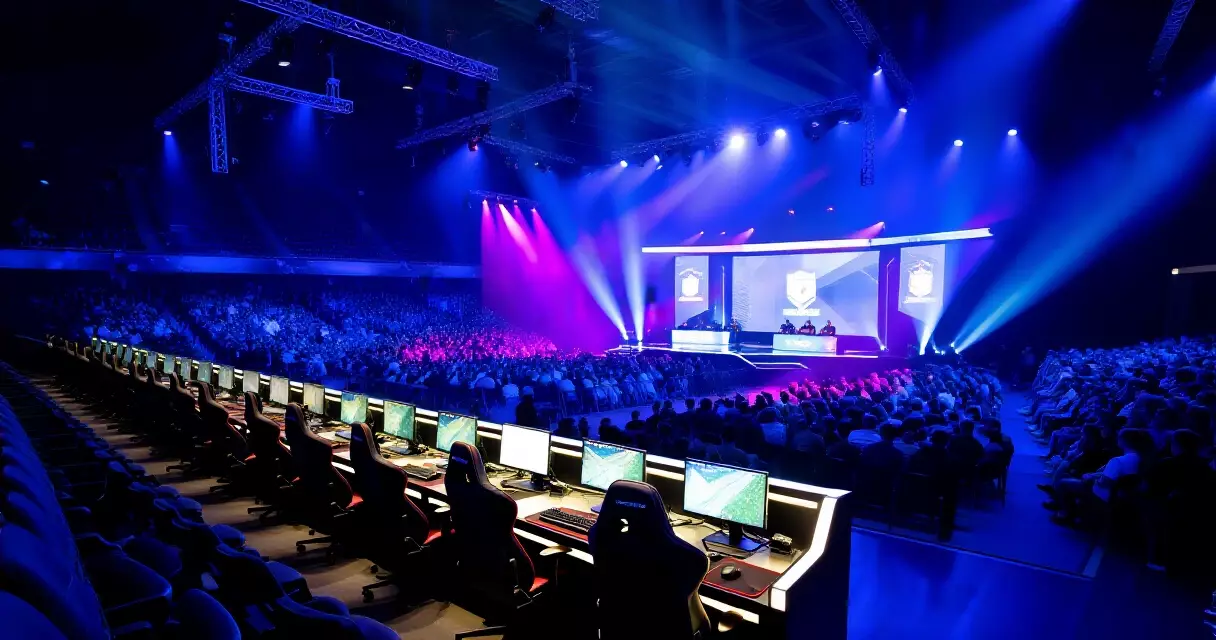
Sponsorship value is also shaped by how well a team or league can physically deliver sponsor visibility during broadcasts. Booth branding, stream overlays, and on-air integrations depend on production quality, which is why the broadcast setup choices covered in our piece on esports team broadcast setup trends are increasingly treated as commercial infrastructure rather than a technical afterthought.
Roster Stability and Its Effect on Sponsor Confidence
Frequent, poorly explained roster turnover can erode the brand consistency sponsors are counting on, since fans and sponsors alike associate a team’s identity partly with its recognisable players. Reporting on how transfers and buyouts are handled, such as our coverage of esports roster transfer trends and contract buyout reporting, gives sponsors and fans a clearer picture of whether an organisation is managing change professionally or reactively.
A team’s brand is only as strong as the consistency fans and sponsors can count on, on stage, on stream, and in the roster itself.
Limitations and What This Overview Does Not Cover
This overview focuses on branding, marketing, and sponsorship mechanics rather than on individual sponsorship contract values, which are rarely disclosed publicly and vary widely by title, region, and organisation size. Figures cited here reflect global and Singapore-specific data available as of September 16, 2026, and sponsorship markets can shift quickly as new titles rise or fall in popularity.
Frequently Asked Questions
What makes esports attractive to sponsors compared with traditional sports?
Esports offers a large, digitally engaged, and largely younger audience, with a global reach of around 641 million people in 2026 according to Reuters. That scale, combined with highly measurable digital engagement, gives sponsors data traditional sports broadcasts often cannot match as precisely.
How do branding and sponsorship generate revenue in esports?
Sponsorship and media rights together contribute about 65% of industry revenue, according to Reuters. Branding drives the audience loyalty that makes that sponsorship valuable in the first place, since sponsors pay for association with a trusted, recognisable identity.
What is the difference between endemic and non-endemic sponsors?
Endemic sponsors sell products used directly by the gaming audience, such as peripherals. Non-endemic sponsors, like banks or telecoms, have no direct product link but can still see enhanced brand attitudes and purchase intent from esports audiences, per ZHAW research.
How does Singapore’s esports recognition affect sponsorship value?
Formal recognition, passed by Singapore’s Parliament in January 2026, gives esports organisations access to governance frameworks and funding, including Sport Singapore’s Major Sports Event Fund, which can make local organisations more credible partners for sponsors.
Why do some esports sponsorships fail to deliver value?
Research from the Global Academy of Interdisciplinary Sciences notes that despite rising sponsorship investment, activation on the sponsee side often lags behind, meaning the sponsorship exists on paper without translating into real audience engagement.
Is league-level or club-level sponsorship a better value proposition?
PubMed/NCBI-indexed research found league-level portfolios, particularly Tencent-managed ones, to be more stable and diversified than most club-level portfolios, which tend to be more volatile and concentrated around fewer sponsors.
Sources
- Esports 2026: Global Market Surpasses the $5 Billion Mark (Reuters) — retrieved September 16, 2026
- Sponsorship Strategies and Branding in Esports (University of Portsmouth) — retrieved September 16, 2026
- Sport Singapore Committee of Supply 2024 — retrieved September 16, 2026
- Mapping Sponsorship Portfolios in Esports (PubMed/NCBI) — retrieved September 16, 2026
- Esports, Chess and Bridge Formally Recognised as Sports (Channel NewsAsia) — retrieved September 16, 2026
- Esports Sponsorship: An Empirical Examination of Non-Endemic Sponsors (ZHAW) — retrieved September 16, 2026
- Effectiveness of Esports Sponsor Advertising (International Journal of Sports Marketing and Sponsorship) — retrieved September 16, 2026
- Sponsees’ Roles in E-sports Sponsorship Marketing (Global Academy of Interdisciplinary Sciences) — retrieved September 16, 2026