
Summary
Red Bull GmbH sold more than 12 billion cans of energy drink in 2023, according to Wikipedia, and a meaningful slice of that marketing budget flows into competitive gaming. What separates the brand from most sponsors is the shape of...
Table of contents
- 1 Red Bull in Esports: A Short History
- 2 How Red Bull’s Sponsorship Model Actually Works
- 3 Red Bull Esports at a Glance: Specs Table
- 4 Owned Events and Activation Strategy
- 5 Pricing, Investment, and What It Costs
- 6 Red Bull Versus Other Esports Sponsors
- 7 Pros and Cons
- 7.1 Strengths
- 7.2 Weaknesses
- 8 Who Should Pursue a Red Bull Deal
- 9 Frequently Asked Questions
- 9.1 Does Red Bull own an esports team?
- 9.2 Which games does Red Bull focus on in esports?
- 9.3 How much does a Red Bull esports sponsorship cost?
- 9.4 What is Red Bull Home Ground?
- 9.5 Is Red Bull a good sponsor for individual players?
- 9.6 How does Red Bull’s approach differ from other energy-drink sponsors?
- 9.7 Has Red Bull stayed in esports during market downturns?
- 10 Sources
Red Bull GmbH sold more than 12 billion cans of energy drink in 2023, according to Wikipedia, and a meaningful slice of that marketing budget flows into competitive gaming. What separates the brand from most sponsors is the shape of the spend. Rather than stitching its logo onto a single team jersey and waiting for impressions, Red Bull builds and owns the events, signs individual players as long-term ambassadors, and treats esports the way it treats cliff diving or Formula 1: as content it controls end to end. This review breaks down how that model performs across teams, athletes, owned competitions, pricing, and the trade-offs brands and players should weigh before chasing a similar deal.
For readers comparing endemic and non-endemic backers across the scene, this entity review sits alongside our broader work on esports sponsorship deals and brand investment. The goal here is narrower: judge Red Bull specifically, on its merits and its gaps.
Red Bull in Esports: A Short History
Red Bull was founded in Austria in 1987 and built its identity on sponsoring extreme and motorsport athletes long before gaming entered the picture, as documented by Wikipedia. The company entered competitive gaming in the early 2010s, first by signing standout players in titles like StarCraft II and fighting games, then by experimenting with its own tournament formats. That sequencing matters. The brand learned esports through athletes before it ever ran a flagship event.
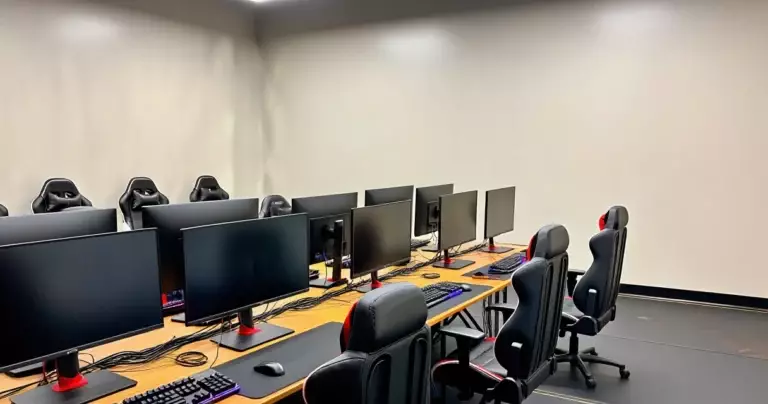
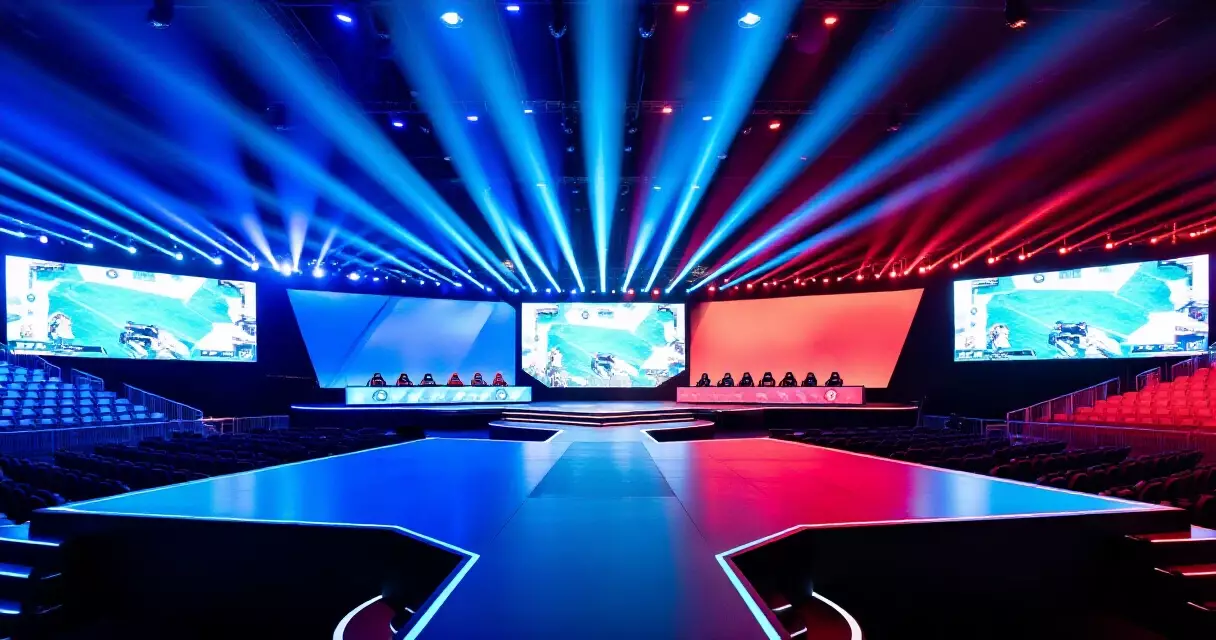
By the late 2010s the strategy had matured into a recognizable playbook. Red Bull opened dedicated gaming venues, including the Red Bull Gaming Sphere in London, and rolled out a calendar of owned competitions across VALORANT, League of Legends, Counter-Strike, and the fighting-game community. When the COVID-19 pandemic pushed live events online in 2020, the company leaned into online invitationals rather than retreating, launching Red Bull Home Ground as a VALORANT showcase that has since grown into one of its signature properties.
The throughline across more than a decade is consistency of philosophy. Where some sponsors arrive during a hype cycle and vanish when valuations cool, Red Bull has treated gaming as a permanent vertical inside its sports-marketing machine. That patience is part of what makes the brand worth reviewing as a discrete entity rather than a one-off deal.
How Red Bull’s Sponsorship Model Actually Works
Most brand deals in competitive gaming fall into a few familiar buckets: jersey placement, content partnerships, or product integration. Red Bull uses some of these, but its center of gravity sits elsewhere. The company prioritizes two assets it can own outright, namely individual athletes and proprietary events. Logos on a team kit are the exception, not the rule.
On the athlete side, Red Bull signs players to ambassador-style agreements that resemble its deals with surfers or rally drivers. The player wears the branding, appears in produced video content, and gets access to training resources and travel, while Red Bull gains a personality to build stories around. Fighting-game icon Daigo Umehara is among the best-known examples of a long-running Red Bull esports athlete, a relationship covered by outlets such as ESPN. This approach maps neatly onto the categories we cover in our breakdown of the different types of esports sponsorships.
On the event side, the company funds and produces tournaments under its own name. That gives Red Bull naming control, broadcast control, and a venue to feature its athletes, all without depending on a third-party league to deliver value. The result is a closed loop: athletes feed the events, events generate content, and content reinforces the brand. Few sponsors in the space operate this much of the stack themselves.
Team partnerships do exist, but they are selective. Red Bull has worked with North American organization Cloud9, and you can read more about that org in our Cloud9 esports review. Even there, the activation tends to extend beyond a static logo, folding in co-branded content and event tie-ins rather than relying on jersey real estate alone.
Red Bull Esports at a Glance: Specs Table
The table below summarizes the entity for quick reference. Figures on the parent company come from Wikipedia; the esports details reflect the brand’s publicly documented programs.
| Attribute | Detail |
|---|---|
| Parent company | Red Bull GmbH (Austria) |
| Founded | 1987 (energy drink); esports activity from the early 2010s |
| Cans sold (2023) | More than 12 billion (Wikipedia) |
| Sponsorship model | Athlete ambassadors plus owned events; selective team deals |
| Flagship owned events | Red Bull Home Ground, Campus Clutch, Solo Q, Flick, Kumite, M.E.O. |
| Primary games | VALORANT, League of Legends, Counter-Strike, fighting games |
| Notable athletes | Daigo Umehara and rotating rosters across multiple titles |
| Team history | Partnerships including Cloud9 |
| Owned venues | Red Bull Gaming Sphere (London) and other gaming spaces |
Owned Events and Activation Strategy
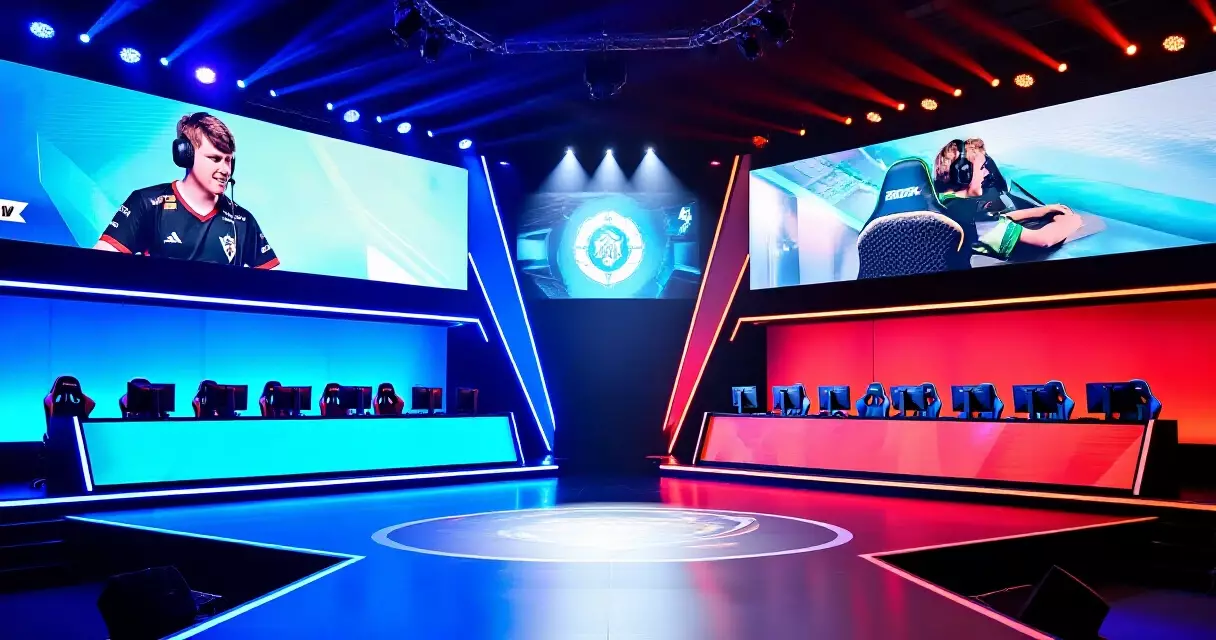
The clearest expression of Red Bull’s approach is its event portfolio. Each competition targets a specific game and a specific audience, and most carry distinctive formats that differentiate them from publisher-run leagues. Reporting from ESPN has tracked the rise of these properties as they moved from experiments to fixtures on the calendar.
Red Bull Home Ground is the marquee VALORANT invitational, built around a home-and-away map-pick concept that gives it a unique competitive hook. Red Bull Campus Clutch takes the opposite end of the pyramid, running a global collegiate VALORANT tournament that funnels student players from dozens of national qualifiers toward a world final. The two events together let the brand reach both elite professionals and grassroots aspirants under one umbrella.
Other formats round out the slate. Red Bull Solo Q strips League of Legends down to a 1v1 duel, Red Bull Flick reimagines Counter-Strike as a 2v2 objective mode, and Red Bull Kumite serves the fighting-game community with a premier invitational. Red Bull M.E.O. (Mission Esports Open) operates as a multi-title amateur circuit. The variety is deliberate: different games, different skill tiers, one brand.
| Event | Game | Format | Audience tier |
|---|---|---|---|
| Red Bull Home Ground | VALORANT | Invitational, home/away map picks | Professional |
| Red Bull Campus Clutch | VALORANT | Global collegiate, national qualifiers | Grassroots/student |
| Red Bull Solo Q | League of Legends | 1v1 duel | Amateur to semi-pro |
| Red Bull Flick | Counter-Strike | 2v2 objective mode | Amateur |
| Red Bull Kumite | Fighting games | Premier invitational | Professional |
| Red Bull M.E.O. | Multi-title | Open amateur circuit | Grassroots |
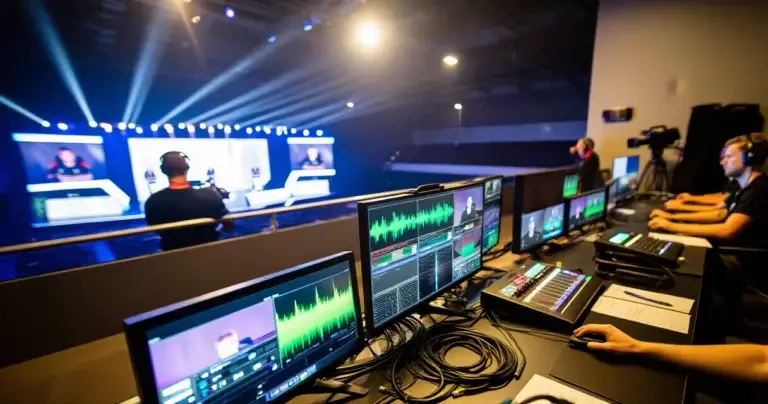
From an activation standpoint, the owned-event model solves a problem that frustrates many sponsors. When you back someone else’s league, your visibility depends on that league’s production quality, schedule, and audience. By producing its own broadcasts, Red Bull keeps creative control and captures the content rights that make a campaign reusable across social channels for months. Brands evaluating whether to copy this should study how returns are tracked, a subject we unpack in our guide to measuring esports sponsorship ROI.
Pricing, Investment, and What It Costs
Red Bull does not publish a sponsorship rate card, and that is the first thing any brand or player should understand. Unlike a jersey slot with a posted annual fee, Red Bull’s involvement is bespoke. Athlete agreements, event production budgets, and venue costs vary widely, so there is no single number to quote. What can be said with confidence is that producing original broadcast events is capital intensive compared with buying a logo placement.
Context helps frame the scale. The global esports market has been valued in the region of roughly $1.5 billion to $2 billion annually in recent industry estimates reported by Reuters, with sponsorship and advertising historically the largest revenue streams. Against a market that size, a company selling 12 billion cans a year can fund a multi-event calendar as a marketing line item rather than a speculative bet. That financial cushion is precisely why Red Bull can stay through downturns when smaller backers exit.
For players weighing a Red Bull deal, the value is rarely just cash. The package typically blends a fee with content production, travel, equipment, and exposure through a globally recognized brand. Anyone negotiating should know the standard contract pitfalls first, which we cover in detail in our piece on esports sponsorship contract terms and red flags. Reading the fine print on image rights and exclusivity matters as much as the headline figure.
Red Bull Versus Other Esports Sponsors
To judge Red Bull fairly, compare it against the alternatives a team or player might court. Endemic brands like peripheral makers and PC manufacturers sponsor for product credibility. Non-endemic giants in finance, telecom, and apparel sponsor for reach. Red Bull sits in an unusual middle lane: a non-endemic consumer brand that behaves like a media company.
| Sponsor type | Primary goal | Typical activation | Control over content |
|---|---|---|---|
| Red Bull | Brand storytelling, lifestyle | Owned events plus athlete ambassadors | High |
| Endemic hardware brand | Product credibility | Gear supply, team kit, co-marketing | Medium |
| Non-endemic mass brand | Audience reach | Jersey/league logo, media buys | Low to medium |
| Other energy drinks | Reach plus product trial | League deals, jersey placement | Low to medium |
The comparison reveals Red Bull’s main advantage and its main limitation in the same breath. Its advantage is content control, which yields reusable assets and a coherent brand story. Its limitation is that owned events serve Red Bull’s narrative first, so a team partnering with the brand may get less dedicated logo exposure than a straightforward jersey deal with a rival energy drink. Organizations that prioritize raw impressions sometimes prefer simpler placements, a calculus explored in our overview of how organizations secure sponsorship partners.
Pros and Cons
No sponsor fits every situation. The following summary weighs what Red Bull does well against where it falls short, based on its publicly observable strategy.
Strengths
- Long-term commitment that survives market downturns, backed by a large parent company.
- Owned events deliver creative control and reusable content rather than one-off impressions.
- Athlete-centric deals build durable personal brands, not just team exposure.
- Programs span elite and grassroots tiers, widening reach across the player pyramid.
- Global production quality lends credibility to partnered players and organizations.
Weaknesses
- No public rate card, so deal terms are opaque and hard to benchmark.
- Owned-event focus means team partners may get less direct logo exposure.
- Selective team deals limit opportunities for most organizations.
- Value often arrives as content and exposure rather than large cash fees.
- Brand narrative leads, which can constrain a partner’s own messaging.
Who Should Pursue a Red Bull Deal
The model rewards specific profiles. Individual players with strong personalities and a willingness to create content are the natural fit, because the brand builds campaigns around people. A charismatic fighting-game competitor or a marketable VALORANT pro stands to gain far more than a roster player who rarely appears on camera.
Organizations should approach with clear eyes. If your priority is maximum jersey impressions, a different energy-drink or telecom deal may serve better. If you want association with high-production events and co-created content, Red Bull can add prestige that pure logo money cannot buy. Aspiring sponsored players can prepare using our step-by-step guide to getting an esports sponsorship, which applies whether the target is Red Bull or another brand.
Verdict: as a sponsor entity, Red Bull earns a strong rating for longevity, production value, and athlete development, with deductions for opacity and limited team-logo value. It is a benchmark for how a non-endemic brand can embed itself in gaming culture rather than simply renting space within it.
Frequently Asked Questions
Does Red Bull own an esports team?
No, Red Bull does not field a wholly owned esports franchise the way it owns soccer clubs in traditional sport. Its gaming strategy centers on sponsoring individual athletes and producing its own branded tournaments rather than running a competitive roster. The company has formed partnerships with established organizations, including Cloud9, but those are sponsorship relationships rather than ownership. This distinction matters because it shapes where the brand spends its money. Instead of paying player salaries and operating costs, Red Bull invests in event production, athlete ambassadors, and content, which gives it broad visibility across multiple games without the overhead of running a full team.
Which games does Red Bull focus on in esports?
Red Bull spreads its activity across several major titles rather than committing to a single game. VALORANT is a clear priority through Red Bull Home Ground and Red Bull Campus Clutch, while League of Legends features in Red Bull Solo Q and Counter-Strike appears in Red Bull Flick. The fighting-game community is served by Red Bull Kumite, and the Red Bull M.E.O. circuit spans multiple amateur titles. This multi-game spread lets the brand reach different audiences and reduces its dependence on the fortunes of any single game, which is a sensible hedge given how quickly competitive scenes can rise and fall.
How much does a Red Bull esports sponsorship cost?
There is no published price, and deals are negotiated case by case. Red Bull does not release a sponsorship rate card, so the value of any agreement depends on the athlete’s profile, the scope of content involved, and the games concerned. Compensation often blends a fee with non-cash benefits such as travel, equipment, event access, and produced media that promotes the player. For brands considering a similar owned-event approach, the costs are substantial because producing original broadcasts is far more expensive than buying a logo slot. Anyone entering talks should benchmark carefully and read the contract terms closely before signing.
What is Red Bull Home Ground?
Red Bull Home Ground is the brand’s flagship VALORANT invitational, first launched in 2020 as live events moved online. Its signature feature is a home-and-away map-selection system that gives teams an advantage on maps they nominate, creating a competitive hook that distinguishes it from standard publisher-run brackets. The event has grown into a recurring fixture that attracts elite professional teams from multiple regions. For Red Bull, Home Ground showcases both top-tier VALORANT competition and the brand’s production capabilities, serving as a centerpiece of its owned-event calendar and a regular source of highlight content across its channels.
Is Red Bull a good sponsor for individual players?
For the right profile, yes. Red Bull’s athlete-centric model is built around individuals, so players who bring personality, marketability, and a willingness to appear in content tend to benefit most. The brand offers global reach, polished media production, and association with a respected name, which can elevate a player’s personal brand well beyond prize money. The trade-off is that value often comes as exposure and produced content rather than a large cash salary, and the athlete is expected to participate actively in campaigns. Quieter competitors who prefer to focus solely on play may find a different sponsor type a closer match.
How does Red Bull’s approach differ from other energy-drink sponsors?
The biggest difference is content ownership. Rival energy-drink brands frequently buy jersey placement or league deals, which deliver impressions but leave creative control with the team or publisher. Red Bull instead produces its own tournaments and signs athletes directly, so it owns the broadcasts and the stories they generate. This yields reusable content and a coherent brand narrative, but it also means partnered teams may receive less dedicated logo time than a simple jersey deal would provide. The two strategies serve different goals: one maximizes raw visibility, while Red Bull’s maximizes depth, control, and long-term brand association within gaming culture.
Has Red Bull stayed in esports during market downturns?
Red Bull has shown notably consistent commitment compared with many sponsors. When investment cooled across parts of the industry and several non-endemic brands pulled back, the company continued running its owned events and athlete programs. That staying power stems from its scale: backed by a parent that sells billions of cans annually, gaming functions as a stable marketing vertical rather than a speculative wager. This consistency is one of the strongest marks in its favor as a sponsor entity, because it signals reliability to athletes and partners who have watched other backers exit the moment valuations softened.
Sources
- Red Bull GmbH (company overview, founding, sales) – https://en.wikipedia.org/wiki/Red_Bull_GmbH
- Red Bull (brand and sponsorship history) – https://en.wikipedia.org/wiki/Red_Bull
- ESPN Esports (event and athlete coverage) – https://www.espn.com/esports/
- Reuters (esports market and industry reporting) – https://www.reuters.com/
Top Esports Organizations 2026: Teams, Rosters, and Performance Rankings