
Summary
Competitive Valorant players in the United States now have more structured training pathways than ever before. With Riot Games reporting over 23 million monthly active players globally and an increasingly professionalized coaching market spanning everything from budget one-on-one sessions to...
Table of contents
- 1 What Is Valo Academy?
- 2 Program Structure and Curriculum
- 3 Session Formats and Length
- 4 Pricing Tiers and Value Comparison
- 5 Coach Credentials and Verification
- 6 Who Should Use Valo Academy?
- 7 Pros and Cons
- 8 How Valo Academy Compares to Alternatives
- 9 Frequently Asked Questions
- 9.1 Is Valo Academy worth it for solo-queue players?
- 9.2 How does Valo Academy’s pricing compare to one-on-one coaching?
- 9.3 What happens during a typical Valo Academy coaching session?
- 9.4 Does Valo Academy offer a free trial or introductory session?
- 9.5 How long does it take to see improvement from a structured Valorant coaching program?
- 9.6 Is Valo Academy suitable for five-stack team coaching?
- 9.7 What rank should I be before joining Valo Academy?
- 9.8 How does structured coaching differ from watching pro player streams?
- 10 Related Reading
- 11 Sources
Competitive Valorant players in the United States now have more structured training pathways than ever before. With Riot Games reporting over 23 million monthly active players globally and an increasingly professionalized coaching market spanning everything from budget one-on-one sessions to cohort-based academies, the question of which platform genuinely delivers measurable skill improvement has never mattered more. Valo Academy positions itself squarely in the structured-program segment of that market, promising a curriculum-first approach that goes well beyond the typical “coach watches you die and gives tips” session format. This review breaks down what Valo Academy actually offers, how its program structure compares to competing services, and whether the pricing holds up against real alternatives.
What Is Valo Academy?
Valo Academy is a US-focused esports coaching program built specifically around Valorant. Unlike general-purpose coaching marketplaces such as Gamer Sensei or Coaches.gg, Valo Academy concentrates entirely on a single title and wraps its coaching into a repeatable, curriculum-driven format. The program is designed to serve players from Silver through Immortal, with pathways for solo-queue climbers as well as full five-player teams seeking coordinated improvement.
The platform’s central thesis is that rank improvement follows from consistent habit-building, not from occasional insight. Where marketplace platforms let you book a coach for an hour and hope something sticks, Valo Academy structures sessions into multi-week blocks with defined learning objectives, between-session training assignments, and ongoing accountability through its coaching staff. This model is closer to what you would find in a sports academy environment than in a traditional gaming coaching marketplace.
Program Structure and Curriculum
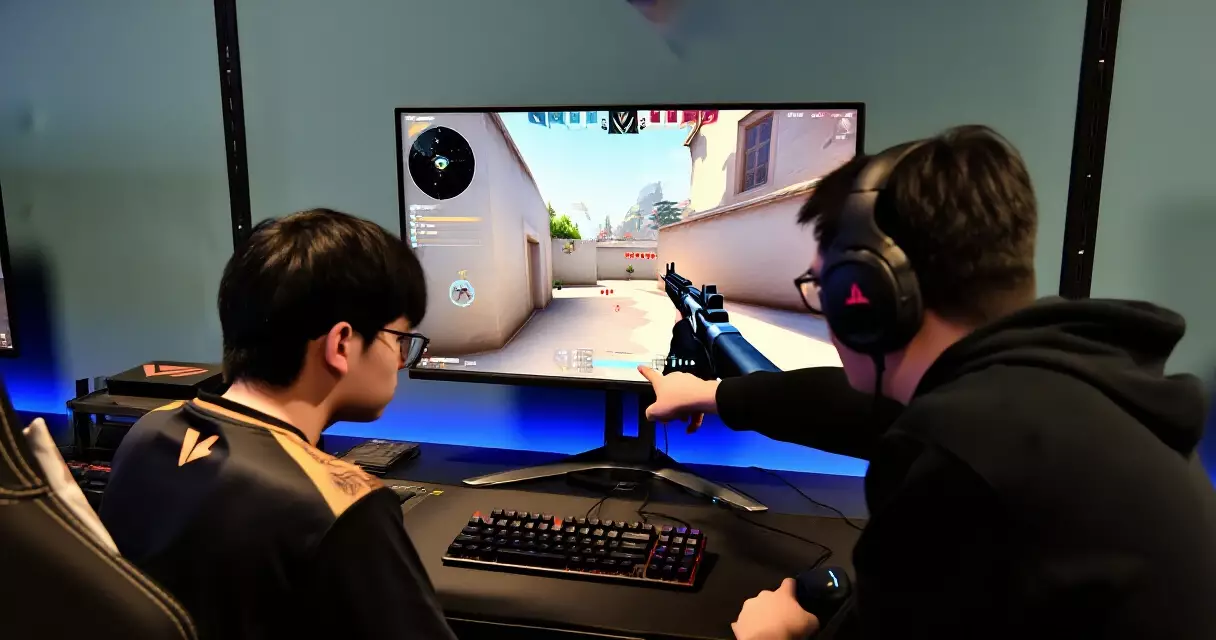
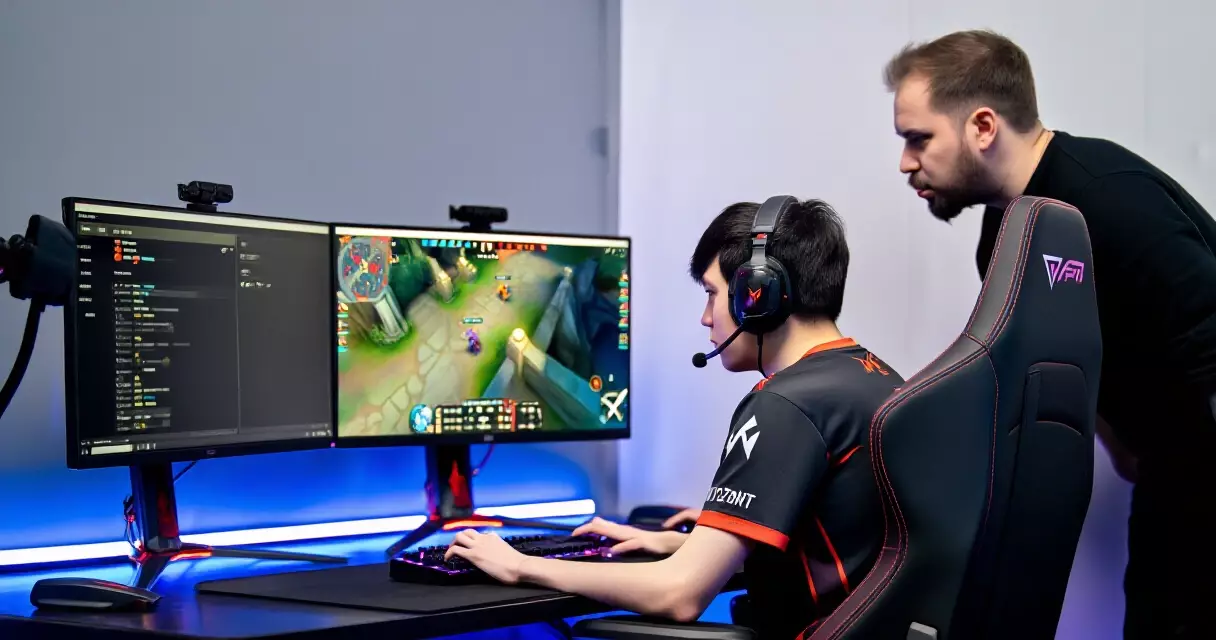
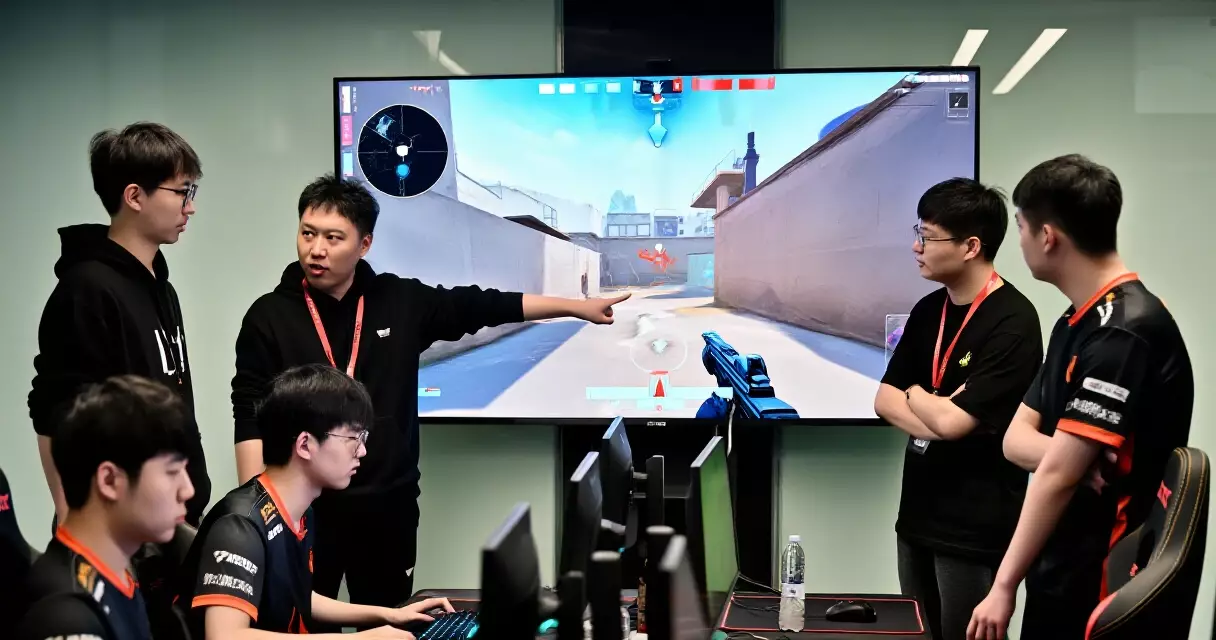
The structural backbone of Valo Academy is its three-session-per-week live class format. Each week includes a master lesson from a high-rank coach, a live demo review where players submit their own gameplay for on-call analysis, and a structured team or solo practice session where new concepts are drilled in a real-game context. Between sessions, players receive a written training plan covering what to work on in uncoached play – a feature that meaningfully extends the effective coaching hours without adding to the direct cost.
This approach mirrors the model adopted by other well-regarded structured academies in the US market. Programs like Gosu Academy’s Team Valorant Academy offer similar live-class, VOD-review, and 10-man scrim combinations, suggesting the three-pillar format – instruction, analysis, and application – has become an informal standard for serious Valorant development programs. What distinguishes Valo Academy is its claimed emphasis on individual role mastery within a team context, rather than purely solo-queue mechanics.
Session Formats and Length
Valo Academy’s sessions fall into three formats across its program tiers. Entry-level access centers on group instruction and community VOD review, which keeps costs low but reduces the amount of individualized attention each player receives. Mid-tier enrollment adds individual player assessments and direct coach feedback on submitted gameplay clips. The premium tier includes two-on-one or one-on-one coaching blocks alongside the group sessions, creating a hybrid model that delivers both systemic improvement through group learning and personal correction through private attention.
Session lengths in the US Valorant coaching market vary significantly by tier. According to pricing data from EPA coaching, a standard private session runs one hour at around $59, while mid-tier sessions extend to 90 minutes at $99 and high-performance sessions to two hours at $149. Valo Academy’s group sessions are typically 60 to 90 minutes per class, which keeps the weekly time commitment manageable for players who are also in school or working full-time.
Pricing Tiers and Value Comparison
Understanding Valo Academy’s pricing requires placing it in the context of the broader US Valorant coaching market. The table below compares Valo Academy’s reported pricing structure against benchmark figures from other programs operating in the same space, based on publicly available marketplace data.
| Service / Tier | Format | Approx. Cost | Session Length |
|---|---|---|---|
| Valo Academy – Entry | Group classes, community VOD review | ~$37–$50/week | 60 min per class |
| Valo Academy – Mid | Group + individual assessment | ~$80–$120/week | 60–90 min |
| Valo Academy – Premium | Group + private 1:1 coaching block | ~$150–$200/week | 90–120 min |
| Gosu Academy (market benchmark) | Team academy, scrims, live class | From $129/package | Varies |
| EPA Private Session (benchmark) | 1-on-1 private | $59–$149/session | 60–120 min |
| IRP Cohort Program (benchmark) | 10-week bootcamp | ~$1,000+ total | Multi-session/week |
| Esports Tower Subscription (benchmark) | On-demand + coaching | Under $10/week (annual) | Varies |
At the entry tier, Valo Academy competes directly with weekly youth program pricing in the $37 range that appears across the US esports training market. At the premium tier, it approaches the cost of full cohort bootcamps like IRP’s 10-week program, which the platform markets with improvement guarantees including a five-division rank increase over the course of the program. Valo Academy does not appear to offer a similarly explicit rank guarantee, which is worth noting if measurable rank progression is your primary metric for coaching success.
Coach Credentials and Verification
Coach credibility is the most frequently cited factor when players evaluate Valorant coaching services, according to community discussions on Reddit’s r/VALORANT and r/AgentAcademy forums. Players consistently prioritize verifiable rank (Immortal or Radiant), specific role expertise, and a demonstrated ability to teach rather than merely play at a high level. Valo Academy’s coaching staff claims to include players with verified high-rank accounts, though the platform does not publish individual coach rank histories in the same transparent way that marketplaces like ProGuides or Metafy do.
The role of an esports coach in a structured academy differs meaningfully from a marketplace freelancer. Academy coaches are expected to deliver consistent curriculum content, track student progress over weeks rather than hours, and coordinate with other staff to ensure the group program stays coherent. This raises the bar for coach quality but also means players cannot easily swap coaches the way they can on a marketplace platform. If a student’s assigned coach is not a good fit, the process of requesting a change can be slower and more disruptive in an academy model.
“In a structured academy, your coach is also your curriculum – if the teaching quality drops, the entire program value drops with it.”
Who Should Use Valo Academy?
Valo Academy’s program structure suits a specific type of player. It works best for players in the Silver-to-Diamond rank range who have hit a development plateau that one-off coaching sessions have not resolved. These are players who understand the basics of Valorant – economy, site execution, agent abilities – but who lack the consistent habits and team-communication skills to climb further. The structured weekly format and between-session training plans address exactly the kind of inconsistency that keeps mid-rank players stuck.
The program is less suited to two specific groups. First, absolute beginners who need basic game literacy before they can benefit from structured tactical coaching. At very low ranks, the most impactful improvements come from raw aim practice and game knowledge, not from the rotation and economy concepts that mid-level academies tend to emphasize. Second, high-rank players pushing for Radiant who need intensely personalized analysis of opponent tendencies and optimal play at their specific MMR. For those players, dedicated one-on-one coaching from a Radiant-rank specialist – available through platforms like Metafy or Coaches.gg – will generally deliver more targeted value than a group program.
For five-player teams preparing for collegiate or semi-professional competition, Valo Academy’s team-oriented track is one of the few US programs that explicitly addresses coordinated five-stack improvement rather than treating every player as a solo-queue climber. This aligns with the broader trend in US esports, where professional esports teams increasingly use structured training programs that mirror the periodization models of traditional sports.
Pros and Cons
| Pros | Cons |
|---|---|
| Structured curriculum with defined weekly objectives | Less flexibility than on-demand marketplace coaching |
| Between-session training plans extend coaching value | Coach switching is slower than on a marketplace platform |
| Team-oriented tracks for five-stack development | No explicit rank-improvement guarantee at most tiers |
| Live class format builds community among participants | Group sessions mean less individual attention at entry tier |
| VOD review included in program cost | Premium tiers approach cohort bootcamp pricing |
| Focused exclusively on Valorant (deep expertise) | Limited coverage for players outside Silver–Diamond range |
How Valo Academy Compares to Alternatives
The Valorant coaching market in the United States has fragmented into three broad categories: coaching marketplaces, structured academies, and on-demand video platforms. Each serves a different type of learner, and understanding where Valo Academy sits helps set realistic expectations before you commit to a program.
Coaching marketplaces like Coaches.gg and Metafy give players maximum flexibility: you browse verified coaches, read reviews, and book sessions as needed. The coach quality range is wide, and the absence of a fixed curriculum means your improvement depends heavily on which coach you happen to book. For players who already know their specific weaknesses and want targeted help, this flexibility is an advantage. For players who need someone else to structure their development path, it is a liability.
On-demand platforms like ProGuides and Esports Tower offer video courses, analytics tools, and coaching at subscription prices that can fall below $10 per week on annual plans. These are excellent for motivated self-learners who can absorb video content and apply it independently. They are poor fits for players who need live feedback, accountability, or team-practice environments.
Valo Academy occupies the middle ground: more structure than a marketplace, more interaction than a video platform, and more Valorant focus than a general esports academy like ProGuides. The tradeoff is a higher weekly cost than self-paced alternatives and less flexibility than an open marketplace. If those tradeoffs align with how you learn best, the structured academy format is genuinely difficult to replicate on your own.
“The Valorant coaching market has matured enough that ‘book a session and hope’ is no longer the only option – structured academies now offer a genuinely different product.”
Frequently Asked Questions
Is Valo Academy worth it for solo-queue players?
Valo Academy is designed primarily for players who have plateaued in the Silver-to-Diamond rank range and want a structured path forward rather than ad hoc session coaching. For solo-queue players, the entry and mid-tier programs provide consistent weekly instruction, VOD analysis, and training plan accountability that most marketplace sessions cannot replicate. The question of whether it is “worth it” depends on your learning style: if you can absorb lessons from video content and apply them independently, on-demand platforms at lower price points may deliver similar outcomes. If you benefit from structured accountability and live feedback, the academy format justifies its premium over self-paced alternatives. Players aiming purely for rank gain in a short window may find programs with explicit rank-up guarantees easier to evaluate, since Valo Academy’s curriculum-first model positions habit development – not rank movement – as its primary outcome. Verify current pricing and free trial availability directly with the platform before committing to a multi-week enrollment.
How does Valo Academy’s pricing compare to one-on-one coaching?
One-on-one Valorant coaching in the US market ranges from approximately $29 per session at budget marketplace prices up to $149 for a two-hour high-performance private session, based on publicly available data from platforms including Gosu Academy and EPA coaching. Valo Academy’s entry tier is priced competitively against youth and group program benchmarks in the $37-$50 weekly range. Its premium tier, which adds private coaching blocks to the group program, approaches the cost of high-frequency private sessions or full cohort bootcamp programs like IRP’s 10-week offering at $1,000 and above. For players who want both structured curriculum and individual attention, Valo Academy’s hybrid tiers can offer better value than purchasing group and private coaching separately. For players who only need targeted private feedback on specific mechanical issues, a single marketplace session at $29-$59 is more cost-efficient than a full program enrollment.
What happens during a typical Valo Academy coaching session?
A typical Valo Academy session follows a three-pillar structure that mirrors the format used by other top-performing structured academies in the US market. The first pillar is a live master class delivered by a high-rank coach covering a specific tactical topic – rotation timing, economy management, agent synergies, or site execution. The second pillar is a live demo or VOD review where coach-selected or student-submitted gameplay is analyzed in real time, with the entire group observing the feedback process. The third pillar is structured practice: 10-man scrimmages, role-specific drills, or coordinated team exercises that require players to apply that week’s concepts in a live-game environment. Players also receive a written training plan for their uncoached sessions between classes, which extends the effective coaching hours without adding direct cost. Session lengths run approximately 60 to 90 minutes per class across three weekly meetings.
Does Valo Academy offer a free trial or introductory session?
Many structured Valorant coaching programs and marketplaces in the US offer introductory free sessions or discounted first-session pricing as a way to demonstrate value before full enrollment. Gosu Academy’s team program, for example, has offered free trial access to its live class and discord community as a low-barrier entry point. Whether Valo Academy currently offers a comparable free trial should be confirmed directly with the platform, as introductory offers in this market change frequently. If a free trial or money-back period is not available, asking the platform for a sample VOD review, a recorded class session, or a direct conversation with a current student before purchasing is a reasonable step to take before committing to a multi-week program fee. Be cautious of programs that require full payment upfront with no opportunity to evaluate the coaching quality or curriculum fit.
How long does it take to see improvement from a structured Valorant coaching program?
Timeline expectations vary significantly depending on the player’s starting rank, how consistently they apply between-session training plans, and whether they are focused on mechanical improvement or strategic habit formation. In the US coaching market, programs that offer rank-improvement guarantees typically frame their timelines around 10-week blocks, with IRP explicitly marketing a five-division rank increase over that period. Structured academy programs like Valo Academy generally focus on habit and consistency metrics over shorter windows of four to six weeks before rank movement becomes consistently observable. Research published on community forums including Reddit’s r/AgentAcademy by practitioners who coach full-time suggests that players who attend sessions consistently and complete between-session assignments improve meaningfully faster than those who treat coaching sessions as their only practice. For most players in the Silver-to-Diamond bracket, noticeable strategic improvement typically becomes visible within four to six weeks of consistent structured training, while rank movement often lags behind conceptual improvement by several additional weeks.
Is Valo Academy suitable for five-stack team coaching?
Yes. Valo Academy includes a team-oriented track that is one of the more clearly differentiated features of the platform compared to general coaching marketplaces. Most individual coaching sessions on platforms like Metafy or Coaches.gg focus on solo-queue mechanics and individual decision-making, which has limited transferability to coordinated five-stack play. Valo Academy’s team track addresses communication, role definition, site coordination, and macro strategy in a format where all five players engage with the curriculum simultaneously. This makes it a meaningful option for collegiate esports teams, semi-professional squads, or friend groups that compete in organized tournaments and want to improve as a unit rather than as five individuals. The structured scrim and 10-man components of the program are particularly valuable for teams that lack regular high-quality practice partners. For aspiring coaches looking to build a portfolio, co-coaching with an established academy like this can also serve as a meaningful credential.
What rank should I be before joining Valo Academy?
Valo Academy’s curriculum is best suited to players in the Silver through Diamond rank range, which covers the large majority of Valorant’s competitive player population. Below Silver, players typically benefit more from fundamental aim training tools like Aimlabs or Kovaak’s and basic game literacy guides than from structured tactical coaching. Above Diamond, the marginal value of group instruction decreases as improvement becomes increasingly about opponent-specific tendencies and personal style optimization rather than systematic habit correction. Immortal and above players seeking to reach Radiant will generally get more out of one-on-one high-rank coaching through marketplaces than from a group program. That said, a team of Diamond players preparing for a collegiate tournament would still benefit from Valo Academy’s team track even if individual members have partially outgrown the solo curriculum, because team coordination is a distinct skill from individual rank.
How does structured coaching differ from watching pro player streams?
Watching professional Valorant players stream or compete provides exposure to high-level gameplay but delivers no personalized feedback, no accountability structure, and no mechanism for converting observation into applied habit change in your own play. Studies on skill acquisition in sports and performance domains, including research accessible through academic databases at institutions like the National Institutes of Health on deliberate practice frameworks, consistently show that unstructured observation produces far slower skill transfer than guided practice with feedback. Structured coaching programs like Valo Academy bridge this gap by ensuring that what you learn in a class or VOD review session is immediately tested in a practice context, then reinforced by an independent training plan. The feedback loop – instruction, application, correction, repetition – is the core mechanism that separates structured coaching from passive content consumption. Watching T1’s Valorant team play on Twitch may give you ideas, but those ideas will not become habits without deliberate, coached application in your own games.
Related Reading
- Esports Coaching: How Pro Teams Train and Build Rosters
- How to Become an Esports Coach: Qualifications, Career Path, and Getting Hired
- What Does an Esports Coach Actually Do? Roles, Responsibilities, and Daily Routines
- Coaches.gg Review: Connecting Aspiring Pros With Verified Esports Coaches
- Gamer Sensei Review: Coaching Quality, Game Coverage, and Value
- Mobafire Coaching Review: Community Guides vs Paid Instruction
- ProGuides Review: Coaching Platform Breakdown 2025
Sources
- Riot Games – Valorant player base announcement: https://www.riotgames.com/en/news/valorant-one-year
- National Institutes of Health – deliberate practice and skill acquisition research: https://www.nih.gov/
- Gosu Academy – Valorant training and team academy program (market pricing benchmark): https://gosuacademy.com/pages/valorant-team
- EPA coaching – session pricing tiers (market benchmark): https://epa.gg/games/valorant
- IRP – cohort program pricing and rank guarantee claims: https://www.irp.gg/
- Reddit r/AgentAcademy – full-time Valorant coaching practitioner discussion: https://www.reddit.com/r/AgentAcademy/
- Esports Tower – subscription pricing benchmark: https://esportstower.com/train/valorant/
Top Esports Organizations 2026: Teams, Rosters, and Performance Rankings