
Summary
When professional squads such as Team SoloMid first moved their rosters into shared rental homes around the early 2010s, the so-called "gaming house" was little more than a residence stuffed with computers, monitors, and a shared kitchen. The model documented...
Table of contents
- 1 From Spare Bedrooms to Performance Campuses
- 2 What a Modern Esports Training Facility Contains
- 3 The Science of Player Performance
- 4 Comparing Facility Models
- 5 How Organizations Build and Budget a Facility
- 6 Challenges and the Road Ahead
- 7 A Closer Look at Three Real-World Esports Facilities
- 8 Common Mistakes Teams Make When Building a Gaming House
- 9 Frequently Asked Questions
- 9.1 What is the difference between a gaming house and a training facility?
- 9.2 How much does an esports training facility cost to run?
- 9.3 Why do esports teams invest in player health and fitness?
- 9.4 Do players still live in gaming houses in 2026?
- 9.5 What role do universities play in esports facilities?
- 9.6 How does a training facility affect an organization’s value?
- 10 Related Reading
- 11 Sources
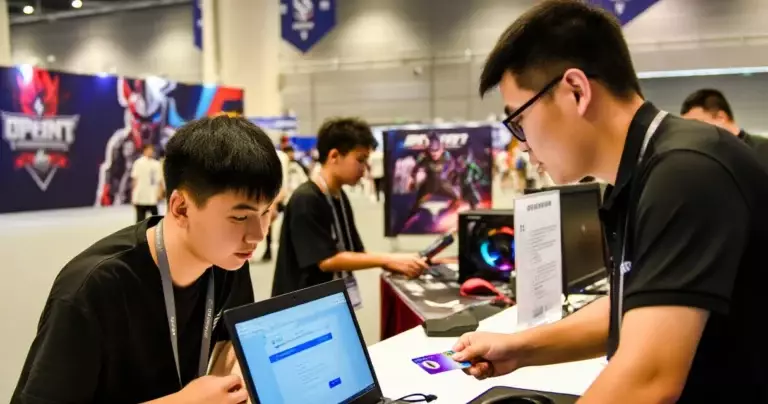
When professional squads such as Team SoloMid first moved their rosters into shared rental homes around the early 2010s, the so-called “gaming house” was little more than a residence stuffed with computers, monitors, and a shared kitchen. The model documented in the Wikipedia entry on gaming houses has since matured into something far closer to a professional sports complex, complete with dedicated practice rooms, coaching staff, fitness areas, and structured sleep schedules. That shift matters because the work itself is physically demanding. A 2019 study published in BMJ Open Sport & Exercise Medicine recorded competitive players executing up to 400 distinct movements per minute, a workload that stresses the hands, wrists, and cognitive endurance in ways comparable to traditional athletics.
This guide explains how esports organization training facilities are designed, what they contain, and why teams invest in them. It walks through the evolution from spare bedrooms to purpose-built campuses, the science behind player performance, the trade-offs between different facility models, and the practical budgeting decisions an organization faces when building a permanent home for its rosters.
From Spare Bedrooms to Performance Campuses
The earliest training houses grew out of necessity rather than design. Korean StarCraft teams pioneered the concept in the 2000s, housing players together so they could scrimmage for long stretches without the friction of commuting. Western organizations copied the formula a few years later, renting suburban homes near Los Angeles where rosters in titles like League of Legends and Counter-Strike could live and practice under one roof. According to the documented history of gaming houses, these early setups prioritized proximity and practice volume over comfort, and many players reported burnout, poor diets, and disrupted sleep.
By the late 2010s, the limits of the bedroom model became obvious. Living and working in the same cramped space blurred the boundary between rest and labor, and the lack of professional support left talent vulnerable to injury and fatigue. Larger organizations responded by separating living quarters from training space, then by hiring full-time analysts, performance coaches, and mental health staff. The result was a new category of building: the performance center, where the day revolves around scheduled blocks of scrimmages, review sessions, fitness, and recovery rather than open-ended grinding.
Universities accelerated this professionalization. The University of California, Irvine opened one of the first public university esports arenas in 2016, a roughly 3,500-square-foot space fitted with 80 high-performance gaming computers, as described on the UCI Esports program site. Collegiate facilities like this one introduced sports-science thinking, ergonomics, and academic research into a scene that had previously relied on intuition, and they helped normalize the idea that competitive gaming deserves the same infrastructure as varsity athletics.
What a Modern Esports Training Facility Contains
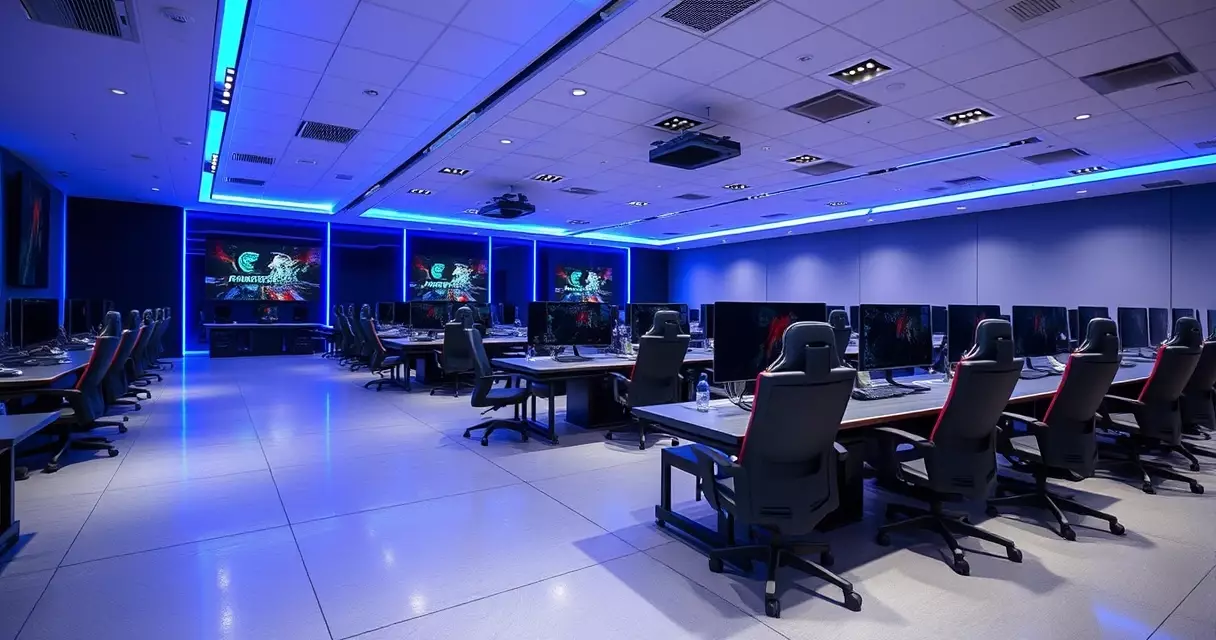
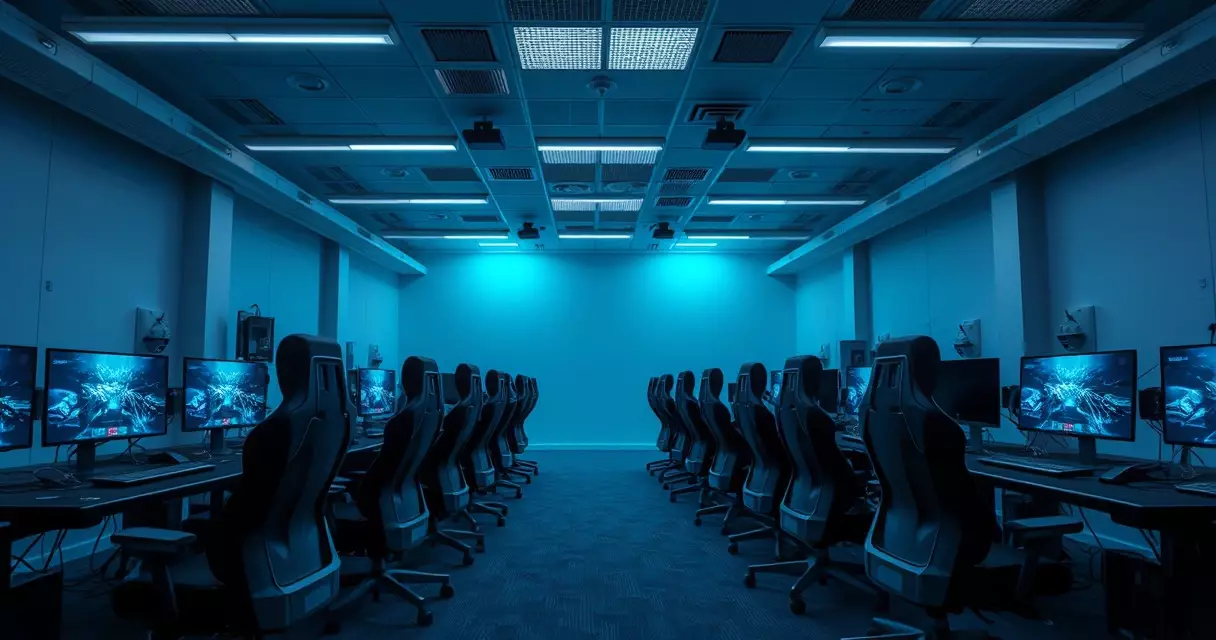
A contemporary facility is organized around distinct zones, each serving a specific function in the competitive workday. The core is the scrim room, a controlled environment with identical hardware, low latency connections, and acoustic treatment so a five-player team can communicate clearly during practice matches. Around that core sit smaller rooms for individual review, where players and coaches break down recorded games frame by frame using the same analytics tools that traditional sports franchises now rely on.
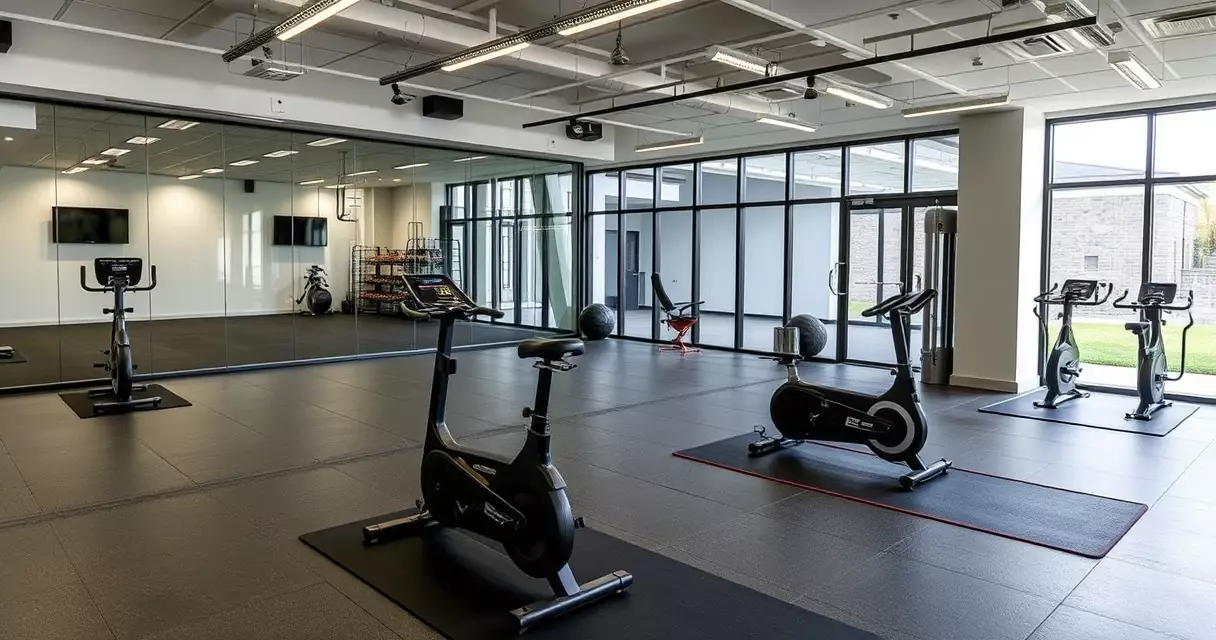
Beyond the screens, the modern facility looks surprisingly conventional. Strength and conditioning areas address the postural strain of sitting for hours, while quiet rooms support the psychological side of competition. Many organizations now treat staffing as seriously as hardware, mirroring the layered management structure that governs esports organizations, with general managers, head coaches, positional coaches, analysts, and wellness professionals each owning a part of the building. The physical layout follows from that org chart: every role needs a space to do its job.
- Scrim and practice rooms with tournament-standard peripherals, identical PCs, and low-latency networking so practice mirrors live conditions.
- Analyst and review stations equipped with replay software, statistical dashboards, and large displays for group film study.
- Fitness and recovery areas covering strength training, stretching, and physiotherapy to counter repetitive-strain risk.
- Content and streaming studios where players produce sponsor activations, social clips, and live broadcasts between practice blocks.
- Rest and nutrition spaces including kitchens, sleep rooms, and quiet zones designed to protect recovery time.
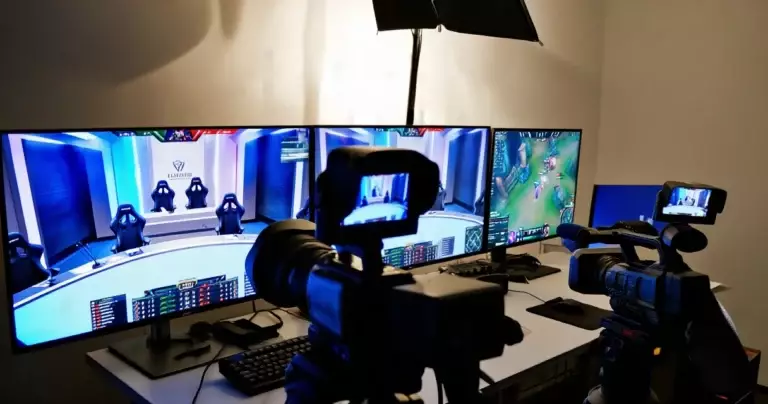
The streaming studio deserves particular attention, because facilities increasingly double as content factories. Player time inside the building generates branded videos, sponsor segments, and live broadcasts that feed several of the revenue streams esports organizations depend on. A room that produces both wins and watchable media earns its keep twice, which is one reason capital-intensive facilities can be justified to investors.
The Science of Player Performance
The strongest argument for purpose-built facilities is health. The 2019 BMJ Open Sport & Exercise Medicine paper that documented players reaching up to 400 actions per minute also proposed an integrated health management model, warning that long competitive sessions without structured physical activity raise the risk of overuse injuries, eye strain, and metabolic problems. A well-designed building bakes counter-measures into the daily schedule rather than leaving wellness to chance, which is precisely what a residential setup struggles to do.
Mental health is now treated with similar seriousness. The World Health Organization classified gaming disorder as a recognized condition in the eleventh revision of the International Classification of Diseases, a framework explained in the WHO question-and-answer page on gaming disorder, which took effect in January 2022. For organizations whose entire business runs on players spending long hours in front of screens, that classification reframed wellness staff and enforced downtime as risk management rather than luxury.
Sleep, nutrition, and ergonomics round out the science. Coaches schedule practice in blocks that protect a consistent sleep window, kitchens are stocked to discourage the energy-drink-and-takeout diet of early gaming houses, and seating is fitted to reduce the postural load that the BMJ researchers flagged. The table below summarizes the performance and health data most often cited when organizations justify these investments.
| Performance or health factor | Reported detail | Source |
|---|---|---|
| Peak actions per minute, top players | Up to 400 movements per minute | BMJ Open Sport & Exercise Medicine, 2019 |
| Primary injury risks | Overuse strain of hands and wrists, eye strain, sedentary metabolic effects | BMJ Open Sport & Exercise Medicine, 2019 |
| Recognized mental-health condition | Gaming disorder, ICD-11, effective January 2022 | World Health Organization |
| Early collegiate performance space | UCI Esports arena, opened 2016, around 3,500 sq ft, 80 gaming PCs | UCI Esports program |
Comparing Facility Models
Not every organization needs, or can afford, the same kind of building. Three broad models dominate the scene, and the right choice depends on budget, the games a team competes in, and how the organization defines itself. Smaller outfits often start with a shared house, mid-tier teams graduate to a dedicated performance center, and the largest brands operate full campuses with multiple rosters under one roof. These choices map closely onto the broader range of esports organization structures and models in the industry.
| Model | Typical features | Best suited to | Reference point |
|---|---|---|---|
| Shared gaming house | Combined living and practice space, minimal dedicated staff, low fixed cost | Emerging teams and single rosters on tight budgets | Early TSM-style houses, per Wikipedia gaming house entry |
| Dedicated performance center | Separate practice, fitness, analyst, and recovery rooms with full-time coaching staff | Established organizations with one or two competitive titles | Modern integrated health model, BMJ 2019 |
| Multi-roster training campus | Multiple scrim rooms, studios, medical and wellness staff, content production | Large brands fielding several rosters across games | University-grade arenas such as UCI Esports, opened 2016 |
The trade-offs are real. A shared house keeps costs low but reintroduces the work-life blurring that harmed early players, while a full campus delivers professional conditions at a fixed cost that only sizable revenue can support. Many organizations therefore treat facility upgrades as a milestone tied to growth, expanding the building only after sponsorship and prize income can sustain the higher overhead.
How Organizations Build and Budget a Facility
Building a facility starts with location. Teams cluster near major tournament hubs, airports, and talent pools, since players and staff need to travel frequently and recruits prefer cities with an established scene. The next decision is buy versus lease, and most organizations lease early on to preserve cash, converting to ownership only once the brand is stable. Anyone planning this from scratch should treat the facility as one line in a larger plan, the kind covered when you start an esports organization as a business.
Capital costs concentrate in three areas: hardware, connectivity, and people. High-refresh monitors, tournament-grade peripherals, and identical PCs across every station ensure practice matches live conditions, while redundant high-bandwidth internet is non-negotiable for low-latency scrimmages. Staffing is frequently the largest recurring expense, because coaches, analysts, and wellness professionals command salaries that dwarf the one-time cost of equipment.
Facilities also serve a financial purpose beyond practice. A polished, camera-ready building becomes an asset in partner negotiations and an exhibit during investor due diligence, contributing to how analysts approach esports organization valuation. A team that can show sponsors a professional home, dependable content output, and measurable player-health outcomes negotiates from a stronger position than one operating out of a rented house.
Challenges and the Road Ahead
Facilities are expensive to run, and the volatility of competitive gaming makes fixed costs risky. When a title loses popularity or a publisher restructures a league, an organization can be left paying for a building sized to a game that no longer pays. The most durable facilities are therefore designed to be flexible, with modular rooms that can be reassigned between titles, repurposed for content, or rented for community events during off-seasons.
Looking forward, three trends are reshaping the category. Remote and hybrid practice is reducing the need for every player to live on-site, distributed analytics let staff support rosters across regions, and the sports-science research seeded by university programs continues to filter into professional buildings. The likely outcome is a leaner, more specialized facility that prioritizes recovery, data, and content over sheer square footage, retaining the performance gains of the campus era without its full overhead.
A Closer Look at Three Real-World Esports Facilities
Abstract budgets become clearer when you examine specific buildings. Gen.G opened its three-story Seoul training center in the Gangnam district, a space that combines scrim rooms, a content studio, and dormitory housing under one roof, according to Esports Insider (2022). The organization positioned the building as both a competitive base and a recruiting tool, since prospective players tour the facility before signing.
T1, the Korean organization that fields Faker in League of Legends, runs a dedicated training base supported by its ownership group, which includes Comcast Spectacor and SK Square, as reported by The Esports Observer (2020). The partnership funds sports-science staff and analysts who would be impossible for a player-owned gaming house to afford. FaZe Clan took a different route in North America, leasing a Los Angeles area content house where streaming and brand output share priority with competitive practice, a model Sportico (2021) described as content-first rather than performance-first.
| Organization | Primary location | Main emphasis |
|---|---|---|
| Gen.G | Seoul, Gangnam | Integrated training and housing |
| T1 | Seoul | Sports science and analytics |
| FaZe Clan | Los Angeles area | Content and brand output |
The contrast matters for any team planning its own space. Gen.G and T1 treat the facility as competitive infrastructure, with dedicated practice rooms separated from living areas so players can mentally leave work. FaZe blends the two, accepting that a creator-driven roster needs camera-ready rooms more than soundproofed scrim booths. Korea JoongAng Daily (2021) noted that Korean organizations increasingly separate dormitories from practice floors specifically to reduce burnout, a lesson Western teams have adopted more slowly. The takeaway is that there is no single correct blueprint. A roster built around tournament results, content revenue, or player development will each justify a different floor plan, staffing budget, and location.
Common Mistakes Teams Make When Building a Gaming House
Most failed facilities share a small set of avoidable errors. The first is combining living and practice space without separation. Riot Games published player wellness guidance in 2021 warning that players who sleep, eat, and scrim in the same room report higher fatigue, and organizations that ignore this often see roster instability within a single season.
A second frequent mistake is underbudgeting the network. A gaming house with consumer-grade internet undermines every other investment. Cloudflare (2023) reported that competitive titles such as Valorant and League of Legends remain playable up to roughly 50 to 60 milliseconds of latency before performance noticeably degrades, so teams should specify a business fiber line with low jitter and a wired connection to every station, never shared Wi-Fi.
- Skipping a dedicated coach office. Review sessions need a quiet room with a large display, not a corner of the scrim floor.
- Ignoring ergonomics. The Esports Health Network (2022) linked repetitive-strain injuries in pro players to poor chair and desk setup during long practice blocks.
- No content space. Teams that bolt streaming on later disrupt practice and lose sponsor-facing revenue.
- Leasing too large too early. Empty rooms drain budgets that should fund staff and travel.
The third structural error is treating staff as optional. A facility without an analyst, a coach, and at least a part-time wellness contact is just expensive housing. The Esports Observer (2020) found that organizations with formal sports-science support outperformed peers in roster retention, since players stayed longer when their physical and mental health was managed. To avoid these traps, draft a requirements list before signing a lease: separate sleeping and practice zones, audited internet specs, a soundproofed review room, ergonomic stations, and a staffing plan. Teams that define needs first, then find the building, consistently spend less and keep players healthier than those who sign an impressive house and improvise everything else afterward.
Frequently Asked Questions
What is the difference between a gaming house and a training facility?
A gaming house combines living quarters and practice space in a single residence, an approach popularized in the early 2010s and documented in the Wikipedia entry on gaming houses. A modern training facility separates those functions, dedicating distinct rooms to scrimmages, analysis, fitness, recovery, and content while staffing the building with full-time coaches and wellness professionals. The practical effect is a clearer boundary between work and rest, which addresses the burnout and health problems that plagued early shared houses. Most large organizations have moved away from the pure gaming-house model toward purpose-built performance centers for this reason.
How much does an esports training facility cost to run?
Operating costs vary widely by model, but staffing typically dominates the budget, ahead of hardware and connectivity. A shared house keeps fixed costs low, while a dedicated performance center or multi-roster campus adds coach, analyst, and wellness salaries that recur every month regardless of competitive results. Hardware such as identical PCs, high-refresh monitors, and tournament peripherals is a meaningful one-time expense, and redundant high-bandwidth internet is an ongoing one. Because these costs are fixed, most organizations scale their facility only as sponsorship and prize income grow, treating each upgrade as a milestone rather than a starting requirement.
Why do esports teams invest in player health and fitness?
Competitive play is physically and mentally demanding, which makes health a direct performance factor. The 2019 BMJ Open Sport & Exercise Medicine study recorded players reaching up to 400 actions per minute and warned of overuse injuries, eye strain, and sedentary health effects from long sessions. The World Health Organization further recognized gaming disorder within its ICD-11 framework, effective January 2022, reframing wellness staff and enforced downtime as risk management. Fitness areas, scheduled recovery, structured sleep, and proper nutrition help players sustain peak reaction times across a season, so health spending is increasingly viewed as an investment in results rather than an optional benefit.
Do players still live in gaming houses in 2026?
Some still do, but the trend is toward separating living and working space. Emerging teams and single rosters on tight budgets continue to use shared houses because they are cheap and concentrate practice time. Established organizations, however, have largely shifted to dedicated performance centers where players commute from their own homes, preserving the boundary between competition and rest. Remote and hybrid practice has accelerated this change, allowing players and staff to collaborate without everyone living on-site. The living-on-premises model has not disappeared, but it is no longer the default for well-funded organizations.
What role do universities play in esports facilities?
Universities helped professionalize the entire category. The University of California, Irvine opened one of the first public university esports arenas in 2016, fitted with roughly 80 gaming computers in around 3,500 square feet, according to the UCI Esports program. Collegiate facilities introduced sports-science methods, ergonomics, and academic research into a scene that had relied on intuition, and they trained a generation of coaches and analysts who later joined professional organizations. They also legitimized the idea that competitive gaming warrants the same infrastructure as varsity athletics, which influenced how professional teams design and justify their own buildings.
How does a training facility affect an organization’s value?
A professional facility strengthens an organization in negotiations and during investor due diligence. A camera-ready building signals stability to sponsors, produces content that feeds multiple revenue streams, and demonstrates measurable player-health practices that partners increasingly expect. Those factors contribute to how analysts assess an organization’s worth, alongside roster results, brand reach, and media output. The facility is not valued in isolation, but a credible home that supports consistent performance and content production gives a team use that a rented house cannot, which is why larger organizations treat their buildings as strategic assets rather than mere overhead.
Related Reading
- Top Esports Organizations 2026: Teams, Rosters, and Performance Rankings
- Biggest Esports Organizations Compared: Rankings & Analysis
- Esports Organization Contracts: Player Rights & Legal Guide
- Esports Organization Management Structure: Roles & Operations
- Esports Organization Revenue Streams: How Teams Make Money
- Esports Organization Sponsorship Deals: Securing Partners
- Esports Organization Valuation: How Teams Are Worth Millions
- How to Start an Esports Organization: A Business Guide
- Types of Esports Organizations: Structures & Models
- Cloud9 Esports Review: North American Organization Deep Dive
- FaZe Clan Review: Gaming Organization Analysis & Rankings
- Fnatic Review: Inside a Legacy Esports Organization
- G2 Esports Review: European Powerhouse Organization Guide
- Team Liquid Review: Multi-Game Esports Organization Analysis
- TSM Esports Review: Teams, Players, and Performance
Sources
- Gaming house, history and origins – https://en.wikipedia.org/wiki/Gaming_house
- Esports overview – https://en.wikipedia.org/wiki/Esports
- Managing the health of the eSport athlete, BMJ Open Sport & Exercise Medicine, 2019 – https://bmjopensem.bmj.com/content/5/1/e000467
- Addictive behaviours, gaming disorder, World Health Organization – https://www.who.int/news-room/questions-and-answers/item/addictive-behaviours-gaming-disorder
- UCI Esports program and arena – https://esports.uci.edu/