


Summary
Esports organizations now change hands at sums that rival small professional sports franchises, and the distance between a hobbyist gaming squad and a venture-backed business has rarely been wider. When Forbes published its Most Valuable Esports Companies ranking in May...
Table of contents
- 1 What “Valuation” Actually Means for an Esports Organization
- 2 A Short History of Esports Valuations
- 3 How Esports Organizations Are Valued: The Core Methods
- 4 The Numbers: Selected Esports Valuation Data Points
- 5 What Drives an Esports Organization’s Value
- 6 Public Markets and the FaZe Clan Cautionary Tale
- 7 How Valuations Vary by Organization Type and Region
- 8 A Step-by-Step Walkthrough: Estimating a Team’s Valuation
- 9 Common Mistakes When Reading Esports Valuations
- 10 Frequently Asked Questions
- 10.1 How much is a top esports organization worth?
- 10.2 Why are esports teams valued so highly when many lose money?
- 10.3 What was the most valuable esports organization?
- 10.4 How do investors calculate an esports team’s valuation?
- 10.5 Did FaZe Clan’s public listing reflect a real valuation?
- 10.6 Do franchise slots increase an esports organization’s value?
- 11 Related Reading
- 12 Sources
Esports organizations now change hands at sums that rival small professional sports franchises, and the distance between a hobbyist gaming squad and a venture-backed business has rarely been wider. When Forbes published its Most Valuable Esports Companies ranking in May 2022, it placed TSM at the top with an estimated value of $540 million, a figure that would have sounded fanciful a decade earlier. That single number frames the puzzle this article unpacks: how does a company built around competitive video gaming come to be worth hundreds of millions of dollars, and what exactly are investors paying for when they write the check.
Valuation is not a vanity score. It decides how much founders raise, what a buyer offers, and whether a team can sign the next star roster. Below, we break down the methods analysts use, the history that produced today’s numbers, the forces that push a valuation up or down, and the cautionary tale of what happens when private hype meets public markets.
What “Valuation” Actually Means for an Esports Organization
Valuation is an estimate of what a whole business is worth at a point in time. For an esports organization, that figure rolls together several moving parts: contracted sponsorship income, media and content revenue, prize winnings, merchandise sales, any league franchise rights the team holds, and the harder-to-measure value of its brand and audience. Analysts rarely arrive at one tidy number. Instead they produce a range and defend it with comparable deals and forward revenue assumptions.
Two terms cause most of the confusion. Equity value is what the shares of the company are worth to owners. Enterprise value adds net debt and reflects the cost of buying the entire operation. Forbes and most industry trackers quote a blended estimate of what a willing buyer would pay for the business as a going concern. Because so much esports income flows from contracts that renew annually, the durability of those revenue streams matters as much as their size in any credible estimate.
A Short History of Esports Valuations
The modern valuation era began when game publishers introduced franchised leagues with permanent, sellable slots. Activision Blizzard’s Overwatch League sold inaugural city slots reportedly priced near $20 million in 2017, according to figures summarized on Wikipedia’s Overwatch League entry. Riot Games restructured the League of Legends Championship Series the same period with reported buy-ins around $10 million. Those fees turned league participation into an asset that sat on a team’s balance sheet, and that asset gave investors something concrete to value.
Headline numbers climbed quickly. Forbes estimated that its ten most valuable esports companies averaged roughly $310 million in 2020. By the 2022 edition of the same Forbes ranking, the leader TSM alone reached $540 million and the top ten were collectively worth in the region of $3.5 billion. Venture capital, traditional sports owners, and celebrity backers poured in, betting that young, highly engaged audiences would eventually convert into durable advertising and media value.

The exuberance cooled after 2022 as advertising budgets tightened and several organizations reported heavy losses. Valuations stopped being a one-way bet. That correction makes the methods behind the numbers more important than ever, because a multiple applied to optimistic projections produces a very different answer than one anchored to audited results.
How Esports Organizations Are Valued: The Core Methods
Four approaches dominate, and most credible estimates blend at least two of them.
- Revenue multiple. Analysts take annual revenue and apply a multiplier drawn from comparable companies. A team with diversified, recurring income earns a higher multiple than one dependent on a single sponsor.
- Comparable transactions. Recent sales of similar organizations set a benchmark. When one team sells at a known price, that deal anchors expectations for the next.
- Discounted cash flow. Future cash the business is expected to generate gets discounted back to present value. This method rewards predictable contracts and punishes volatile prize-money reliance.
- Asset-based valuation. League franchise slots, intellectual property, and content libraries are tallied as standalone assets, which matters most when a buyer wants the league seat rather than the roster.
Each method has a weakness. Revenue multiples can inflate during hype cycles. Comparable transactions are scarce because so few esports deals are public. Discounted cash flow depends on assumptions that are hard to defend for young companies. Sensible analysts triangulate, then sanity-check the result against the team’s competitive standing and its place among the biggest esports organizations.
The Numbers: Selected Esports Valuation Data Points
The table below collects the most-cited valuation figures from the 2022 Forbes ranking, which remains the clearest public snapshot of where the top tier sat at its peak.
| Organization | Estimated value | Source & year |
|---|---|---|
| TSM | $540 million | Forbes, 2022 |
| 100 Thieves | $460 million | Forbes, 2022 |
| Team Liquid | $440 million | Forbes, 2022 |
| FaZe Clan | $400 million | Forbes, 2022 |
| Cloud9 | $380 million | Forbes, 2022 |
| G2 Esports | $340 million | Forbes, 2022 |
| Gen.G | $250 million | Forbes, 2022 |
| NRG Esports | $240 million | Forbes, 2022 |
| Top ten combined | ~$3.5 billion | Forbes, 2022 |
Read these as estimates rather than transaction prices. Forbes builds them from revenue data, comparable deals, and league assets, then states a single point inside a wider range. The figures still illustrate the order of magnitude that separates the leading brands from the long tail of smaller teams.
What Drives an Esports Organization’s Value
Two organizations with identical revenue can carry very different valuations. The premium sits in the quality and durability of what produces that revenue.
Audience size and engagement come first. A team with millions of loyal followers offers brands a marketing channel, and that reach underpins the sponsorship deals that fund most rosters. Diversification matters next. A business leaning on one sponsor or one game looks fragile, while one earning across merchandise, content, sponsorship, and league revenue earns a higher multiple. League franchise slots add balance-sheet value because they are scarce and transferable. Talent and content operations turn players into media properties, extending a brand beyond match results. Intellectual property, from apparel lines to original video series, gives a buyer something that survives roster turnover.
Operational discipline rounds out the list. Investors increasingly scrutinize whether a team can reach profitability, not just grow its top line. A clear management structure and tidy financials reduce perceived risk, and lower risk supports a higher valuation. The same logic explains why disciplined, well-governed organizations weathered the post-2022 cooling better than those that spent freely on talent without a path to sustainable margins.
Public Markets and the FaZe Clan Cautionary Tale
No story illustrates valuation risk better than FaZe Clan. The organization went public in July 2022 through a merger with a special purpose acquisition company, a deal that implied an enterprise value of roughly $725 million, as documented on Wikipedia’s FaZe Clan entry. The listing was pitched as proof that a creator-led gaming brand could command a public-market price tag.
Reality arrived fast. The share price slid through 2022 and 2023 as the company posted losses and faced delisting warnings. By 2024, gaming media firm GameSquare acquired FaZe in a deal valued at roughly $17 million, also recorded on the same Wikipedia entry, a fraction of the headline number from less than two years earlier. The episode is a reminder that an implied valuation set during a financing event is a hypothesis, not a verified price, and public investors will quickly re-rate a business that cannot show durable profit.
| Event | Implied value | Source |
|---|---|---|
| FaZe Clan SPAC listing (July 2022) | ~$725 million | Wikipedia, FaZe Clan |
| FaZe Clan, Forbes estimate (2022) | $400 million | Forbes, 2022 |
| GameSquare acquisition of FaZe (2024) | ~$17 million | Wikipedia, FaZe Clan |
The contrast across those three rows is the entire lesson of esports valuation compressed into one table. Different methods, different moments, and different appetites for risk can value the same brand at amounts that differ by an order of magnitude.
How Valuations Vary by Organization Type and Region
Structure shapes price. A team that owns permanent league slots in multiple titles holds transferable assets, which lifts its floor regardless of a given season’s results. A pure content and creator brand depends more on audience metrics and is valued closer to a media company. Understanding these organizational models helps explain why two teams of similar fame can sit far apart on a valuation chart.
Geography plays a role too. North American and Western European organizations attract the deepest pools of sponsorship capital, while South Korean and Chinese teams benefit from large domestic audiences and strong publisher relationships. According to background on Wikipedia’s esports overview, the global competitive scene draws a worldwide audience numbering in the hundreds of millions, and the regional split of that audience influences where advertisers spend and therefore where valuations concentrate.
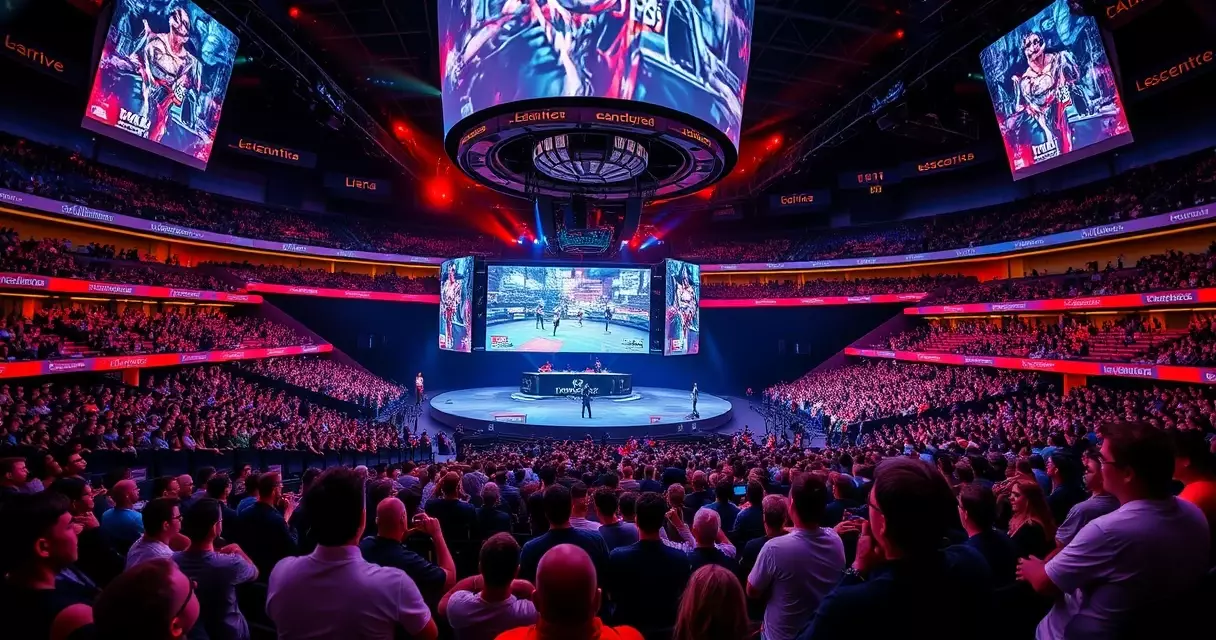
For anyone studying the field, the practical takeaway is that valuation reflects business model first and trophy cabinet second. Reviewing how leading brands are ranked in the top esports organizations of 2026 shows the same pattern repeating: diversified, well-run businesses command the premiums.
A Step-by-Step Walkthrough: Estimating a Team’s Valuation
You can build a rough valuation for an esports organization in five steps using public data. The exercise mirrors how Forbes assembled its 2022 list of the most valuable esports companies, which placed TSM at $540 million, 100 Thieves at $460 million, and Team Liquid at $440 million.
- Estimate trailing revenue. Pull sponsorship, media, merchandise, and prize figures from press releases or filings. Newzoo reported total global esports revenue of $1.38 billion for 2022, with sponsorship at roughly 60 percent of that pool, so a mid-tier team often sits in the $15 million to $30 million range.
- Pick a revenue multiple. Forbes valued the top 10 esports firms in 2022 at an average of roughly 8 to 10 times revenue, far above traditional sports because investors price in growth.
- Adjust for league slots. A franchised slot in the LCS or VALORANT Champions Tour is a transferable asset. Riot Games charged incoming LCS partners around $10 million in 2018, per The Esports Observer, and that floor anchors part of a team’s enterprise value.
- Layer in cash and IP. Add owned content studios, apparel brands, or facilities. 100 Thieves’ valuation, per Forbes 2022, leaned heavily on its apparel and lifestyle revenue rather than competition winnings.
- Apply a liquidity discount. Private stakes trade thin, so haircut the result 15 to 30 percent versus a comparable public multiple.
Worked example: a team with $20 million revenue, an 8x multiple, and an owned LCS slot lands near $160 million on a revenue basis, plus roughly $10 million for the slot, then a 20 percent private discount, settling around $136 million. That figure is a starting estimate, not an audited number, but it brackets where most Tier 2 organizations sat in the 2022 Forbes data.
Common Mistakes When Reading Esports Valuations
Most valuation errors come from treating an esports organization like a traditional sports franchise. The economics differ, and the headline numbers hide several traps.
| Mistake | Why it misleads | What to check instead |
|---|---|---|
| Confusing valuation with revenue | FaZe Clan listed via SPAC at a roughly $1 billion implied valuation in July 2022, then fell over 90 percent within a year, per its own SEC filings. | Compare the multiple to actual trailing revenue and cash burn. |
| Ignoring prize money irrelevance | Tournament winnings are a small slice. Newzoo 2022 put prize pools well under 10 percent of total esports revenue. | Weight sponsorship and media income, which Newzoo 2022 put near 60 percent of the pool. |
| Trusting round headline numbers | Private “valuations” often reflect a funding round’s negotiated price, not market consensus. | Read the post-money figure and the size of the stake sold. |
A second cluster of mistakes involves timing and comparability. Many widely cited figures date to the 2021 to 2022 funding peak, when low interest rates inflated private multiples across the sector. Using a 2022 Forbes valuation, such as Cloud9 at $380 million or G2 Esports at $340 million, as a current marker ignores the 2023 correction that PitchBook and Sportico both documented as venture funding into gaming and esports contracted sharply.
Finally, do not assume league slots hold their original price. Riot’s 2018 LCS buy-in of roughly $10 million, per The Esports Observer, set a high-water mark, but slot resale values softened afterward as teams struggled to monetize them. Always separate the durable asset value of a franchise slot from the speculative premium attached during the boom years, and discount any valuation that double-counts both.
Frequently Asked Questions
How much is a top esports organization worth?
The largest brands have been valued in the hundreds of millions of dollars. Forbes estimated TSM at $540 million in its 2022 ranking, with several rivals such as 100 Thieves, Team Liquid, and FaZe Clan estimated between $400 million and $460 million. Those figures sit at the very top of the market, and most esports organizations are worth far less, often in the single-digit millions. Values also shifted downward after 2022 as advertising budgets tightened, so any current figure should be treated as an estimate within a range rather than a fixed price.
Why are esports teams valued so highly when many lose money?
Investors price these businesses on future potential, not only current profit. A young organization with millions of engaged followers offers brands a marketing channel that advertisers will pay to reach, and that audience is treated as a growing asset. League franchise slots add transferable value on the balance sheet. The bet is that engagement converts into durable sponsorship and media income over time. That logic explains the rich valuations of 2020 and 2022, though the FaZe Clan experience shows the same logic can reverse sharply when profitability fails to arrive.
What was the most valuable esports organization?
In the most-cited public ranking, the 2022 Forbes Most Valuable Esports Companies list, TSM held the top position at an estimated $540 million. It was followed by 100 Thieves at $460 million and Team Liquid at $440 million. These standings reflect a specific moment and methodology, blending revenue, comparable deals, and league assets into a single estimate. Rankings move as financing rounds, acquisitions, and roster changes reshape the field, so the leader in one year’s list may shift, but TSM’s 2022 figure remains a widely referenced benchmark for the sector’s peak valuations.
How do investors calculate an esports team’s valuation?
Analysts typically blend several methods. A revenue multiple applies a multiplier to annual income, with diversified and recurring revenue earning a higher multiple. Comparable transactions use recent sales of similar teams as benchmarks. Discounted cash flow projects future cash and discounts it to present value, rewarding predictable contracts. Asset-based valuation tallies league slots, intellectual property, and content libraries separately. Because public esports deals are rare and projections are uncertain, no single method is decisive. Credible estimates triangulate across approaches and then check the result against competitive standing and the durability of the team’s income.
Did FaZe Clan’s public listing reflect a real valuation?
It reflected an implied valuation tied to a financing event, not a verified market price. FaZe Clan went public via a SPAC merger in July 2022 at an implied enterprise value of roughly $725 million. The share price then fell steeply amid losses and delisting warnings, and by 2024 GameSquare acquired the business for around $17 million. The gap between those numbers shows that an implied valuation set during a deal is a hypothesis about future performance. Public markets re-rated FaZe quickly once results disappointed, which is the central risk of any high-growth valuation.
Do franchise slots increase an esports organization’s value?
Yes, because they are scarce, transferable assets that sit on the balance sheet. Publishers such as Activision Blizzard and Riot Games introduced permanent league slots with substantial buy-in fees, reportedly near $20 million for early Overwatch League city slots in 2017. Owning such a slot gives an organization a guaranteed place in a top competition and a sellable asset independent of any single roster. That floor of value is one reason teams holding multiple franchise positions tend to command higher and more stable valuations than creator-led brands that rely mainly on audience metrics.
Related Reading
- Top Esports Organizations 2026: Teams, Rosters, and Performance Rankings
- Biggest Esports Organizations Compared: Rankings & Analysis
- Esports Organization Contracts: Player Rights & Legal Guide
- Esports Organization Management Structure: Roles & Operations
- Esports Organization Revenue Streams: How Teams Make Money
- Esports Organization Sponsorship Deals: Securing Partners
- Esports Training Facilities: The Gaming Houses Guide
- How to Start an Esports Organization: A Business Guide
- Types of Esports Organizations: Structures & Models
- Cloud9 Esports Review: North American Organization Deep Dive
- FaZe Clan Review: Gaming Organization Analysis & Rankings
- Fnatic Review: Inside a Legacy Esports Organization
- G2 Esports Review: European Powerhouse Organization Guide
- Team Liquid Review: Multi-Game Esports Organization Analysis
- TSM Esports Review: Teams, Players, and Performance
Sources
- Forbes, The Most Valuable Esports Companies 2022 – https://www.forbes.com/sites/mikeozanian/2022/05/06/the-most-valuable-esports-companies-2022/
- Wikipedia, FaZe Clan – https://en.wikipedia.org/wiki/FaZe_Clan
- Wikipedia, Overwatch League – https://en.wikipedia.org/wiki/Overwatch_League
- Wikipedia, Esports – https://en.wikipedia.org/wiki/Esports