
Summary
✓Reviewed by Emma Thompson Understanding esports team jersey suppliers and how custom hardware sponsorships work has become essential knowledge for anyone tracking the business side of competitive gaming. As the U.S. esports market continues its upward trajectory — Grand View...
Table of contents
- 1 Who Actually Makes Esports Team Jerseys
- 2 A Brief History of Esports Apparel Deals
- 3 How Jersey Supplier Deals Are Structured
- 3.1 Kit-Only vs. Full Lifestyle Partnerships
- 3.2 Custom Uniform Manufacturing Platforms
- 4 How Custom Hardware Sponsorships Work in Esports
- 4.1 Exclusivity Clauses and Category Rights
- 4.2 In-Kind vs. Cash Deal Structures
- 5 Major Hardware Sponsor Categories and Named Brands
- 6 Jersey Supplier Comparison: Global Brands vs. Specialist Vendors
- 7 The Role of Esports Viewership in Sponsorship Valuation
- 8 Esports Team Jersey Suppliers and How Custom Hardware Sponsorships Work at the League Level
- 9 What the Adidas–Esports Nations Cup Deal Tells Us About 2026
- 10 Frequently Asked Questions
- 10.1 Who are the biggest esports jersey suppliers in 2026?
- 10.2 Are esports hardware sponsorships cash deals or product deals?
- 10.3 What does category exclusivity mean in a hardware sponsorship?
- 10.4 Can a team have both a jersey sponsor and a hardware sponsor at the same time?
- 10.5 How long do esports sponsorship contracts typically last?
- 10.6 Why do some esports teams use global brands while others use custom suppliers?
- 11 Key Takeaways
- 12 Sources
Understanding esports team jersey suppliers and how custom hardware sponsorships work has become essential knowledge for anyone tracking the business side of competitive gaming. As the U.S. esports market continues its upward trajectory — Grand View Research pegs U.S. esports revenue at $555.4 million in 2024, forecast to reach $1.84 billion by 2030 — the infrastructure of team apparel and equipment deals is quietly shaping which organizations survive and which ones don’t.
Who Actually Makes Esports Team Jerseys
The question of who manufactures esports jerseys does not have a single answer. The supplier landscape splits into two broad tiers: global sportswear brands that treat esports as an extension of their existing teamwear business, and specialized apparel companies that focus exclusively on competitive gaming organizations. Both tiers are active in the U.S. market as of 2026.
On the global brand side, the most publicly documented partnerships include Adidas with 100 Thieves and FURIA, Nike supplying the entire LPL and partnering with T1 and Gen.G, PUMA holding a multi-year deal with Cloud9, and Li-Ning also working with LPL teams and T1, according to a 2026 jersey guide published by The Gaming Wear. Each of these arrangements involves full kit production: competition jerseys, warmup gear, tracksuits, and in some cases co-branded retail drops available to fans.
A Brief History of Esports Apparel Deals
Esports jersey sponsorship did not always look like it does today. Through the early 2010s, most teams sourced kit from small local custom-print shops or produced basic branded t-shirts in-house. The turning point came around 2016 to 2018, when organizations like Team Liquid and FaZe Clan began signing formal apparel partnerships, and HyperX, SteelSeries, and Logitech G established the template for endemic hardware deals. By 2020, Adidas’ collaboration with 100 Thieves demonstrated that non-endemic fashion and sportswear brands could build genuine commercial ecosystems around esports teams rather than just slapping a logo on a kit. The 2026 Adidas–Esports Foundation partnership to outfit every competing nation at the Esports Nations Cup represents the clearest institutional maturation of that trend to date, according to the official Adidas press announcement.
How Jersey Supplier Deals Are Structured
A jersey supplier relationship in esports typically involves several components bundled into a single contract. The supplier produces competition-ready kit for the active roster, often extending to coaching staff and support personnel. On top of that baseline, most modern deals layer in retail licensing — meaning the supplier manufactures and sells fan versions of the jersey through their own channels or co-branded storefronts. Premium jersey placements such as chest-front logos or sleeve marks are monetized separately and belong to a different sponsor category entirely.
Kit-Only vs. Full Lifestyle Partnerships
Smaller organizations or teams in less commercially developed titles often work with kit-only suppliers: manufacturers that produce functional jerseys without a retail licensing component. Larger organizations in titles like League of Legends, VALORANT, and CS2 tend to attract full lifestyle partnerships, where the apparel brand integrates across the team’s content, social channels, and limited-edition drops. The Adidas x 100 Thieves collaboration is the most cited North American example of this model, blending performance kit with streetwear-adjacent collection drops that sell to fans who may not follow competitive play at all.
Custom Uniform Manufacturing Platforms
Nike Team Sports operates a custom uniform platform that allows teams to configure made-to-order kits using Nike fabrics and construction standards. This approach gives mid-tier esports organizations access to globally recognized branding without committing to a full partnership deal, and it illustrates how mainstream sportswear infrastructure has adapted to serve the esports market at multiple budget levels.
How Custom Hardware Sponsorships Work in Esports
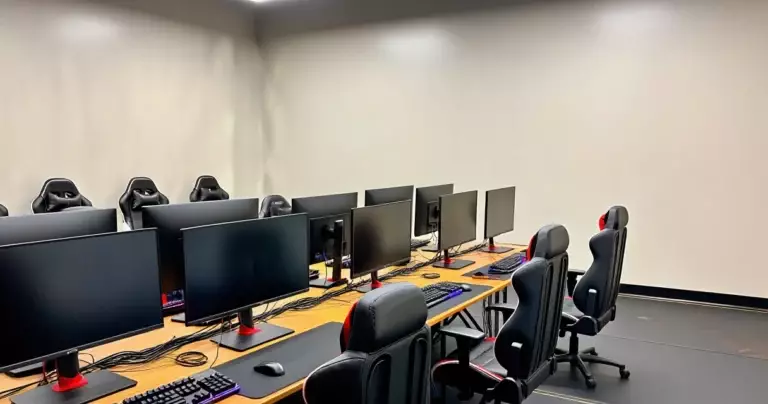
Hardware sponsorships covering mice, keyboards, headsets, monitors, gaming chairs, and full PC rigs represent one of the most distinctive deal structures in competitive gaming. Unlike traditional sports equipment deals, where an athlete signs and the brand supplies, esports hardware sponsorships are built on visibility through use: players are seen using the products on stream, in broadcast footage, and in social content, generating organic-looking endorsement that reaches an audience which is itself likely to buy those exact products.
According to reporting by White Market, most hardware deals are structured as product supply and activation agreements rather than straightforward cash investments. The financial terms are frequently undisclosed or framed as in-kind value, where the sponsor provides equipment rather than cash, and the cash component — if any — stays confidential. Deliverables typically include a defined number of social media posts featuring the product, stream usage requirements, event appearances, and category exclusivity.
Exclusivity Clauses and Category Rights
Category exclusivity is the mechanism that gives hardware sponsors meaningful protection. A peripheral sponsor might hold exclusive rights to the “gaming mouse” category for a team’s North American competitive rosters, which prevents the team from signing a competing mouse brand. However, exclusivity is rarely total. It is typically scoped to a specific product category, a geographic region, a specific title or game, or a defined event series. A team can hold simultaneous deals with Logitech G for peripherals, BenQ ZOWIE for monitors, and Secretlab for chairs, because each brand occupies a different hardware category.
Esports hardware sponsorships are not straightforward cash deals — they are built on a combination of product supply, content deliverables, and exclusivity rights that together define what a brand actually receives in exchange for its investment.
In-Kind vs. Cash Deal Structures
The distinction between in-kind and cash structures matters because it changes how both sides account for the deal and what the team actually receives. A pure in-kind arrangement means the sponsor ships product, and the team discloses the partnership, uses the product on stream, and creates agreed content. A cash-plus-product arrangement adds a monetary component, usually tied to deliverable completion. According to Jacobs Counsel Law‘s analysis of esports sponsorship contracts, deliverables are commonly tied to performance benchmarks, and payment schedules may include holdbacks based on content delivery.
Major Hardware Sponsor Categories and Named Brands
The hardware sponsorship ecosystem in esports organizes around several recognized product categories, each with its own set of endemic brands that have built their marketing strategy around team and player deals. As of 2026, the following categories and brands represent the most active segments of the market:
| Hardware Category | Endemic Brands Active in Esports (2026) | Typical Deal Structure |
|---|---|---|
| Gaming mice & keyboards | Logitech G, SteelSeries, HyperX, Razer, Zowie | Product supply + content deliverables + exclusivity |
| Headsets & audio | HyperX, SteelSeries, ASTRO, Sennheiser Gaming | Product supply + broadcast visibility + co-branded content |
| Monitors & displays | BenQ ZOWIE, ASUS ROG, MSI, Alienware | Equipment loan or ownership + stage display rights |
| Gaming chairs & furniture | Secretlab, DXRacer, Herman Miller (Logitech G) | In-kind supply + social content + event activation |
| PCs, GPUs & systems | Intel, AMD, NVIDIA, ASUS, MSI | Cash + product + broadcast branding rights |
Jersey Supplier Comparison: Global Brands vs. Specialist Vendors
Choosing between a global sportswear brand and a specialist esports apparel vendor involves trade-offs that go beyond manufacturing quality. Global brands bring retail distribution, consumer recognition, and marketing infrastructure. Specialist vendors offer faster turnaround, lower minimum order quantities, and more flexibility on design customization — a meaningful advantage for organizations that want to release limited jerseys on short notice or need smaller roster kit runs.
| Supplier Type | Examples | Strengths | Limitations |
|---|---|---|---|
| Global sportswear brand | Adidas, Nike, PUMA, Li-Ning | Retail reach, consumer brand trust, lifestyle crossover | Higher minimum orders, longer lead times, less design flexibility |
| Nike custom platform | Nike Team Sports (NTS) | Access to Nike materials without full partnership deal | Limited to Nike’s design configuration system |
| Specialist esports apparel | Various regional vendors | Fast turnaround, low minimums, full design control | No consumer retail presence, lower brand recognition |
The Role of Esports Viewership in Sponsorship Valuation
Both jersey suppliers and hardware sponsors ultimately anchor their investment in one metric: audience reach. Esports sponsorship value is calculated through a combination of broadcast viewership, social media engagement, stream hours, and event attendance. For hardware deals specifically, stream visibility is especially important because the audience watching a player use a peripheral on Twitch or YouTube is the same demographic most likely to purchase that peripheral.
According to Esports.net, global esports industry revenue reached an estimated $4.78 billion in 2025, with the United States representing the largest national market at approximately $1.24 billion. Within that total, merchandise and ticketing — the segment most directly tied to jersey and apparel deals — accounted for an estimated $271 million globally. That figure keeps jersey sponsorships commercially relevant but confirms that sponsorship and media rights remain the dominant revenue streams for most organizations. For the site’s own coverage of how viewership trends affect these dynamics, see the Esports Viewership Trends 2026 analysis.
Esports Team Jersey Suppliers and How Custom Hardware Sponsorships Work at the League Level
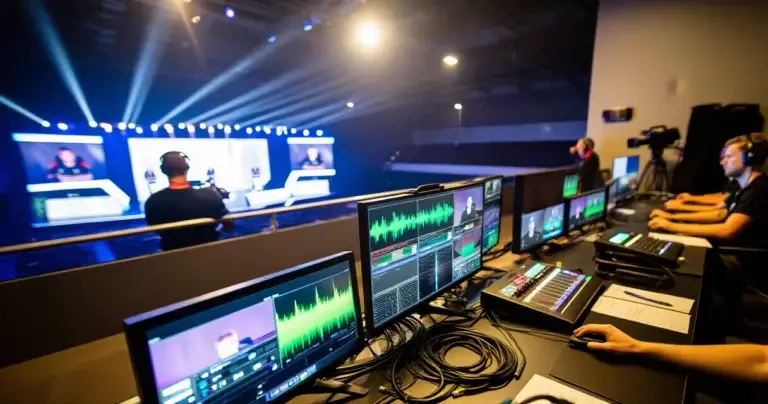
League-level sponsorships operate differently from team-level deals. When Adidas partners with the entire LPL or when Intel signs as a presenting sponsor for a major CS2 event, the agreement covers all participants rather than a single organization. This creates a layered system where individual teams may have their own peripheral or apparel deals that must be compatible with — and not contradict — the league’s category agreements. For example, a team playing in a league with an official monitor sponsor may still sign its own peripheral deal for mice and keyboards, provided the categories don’t conflict. The Esports World Cup 2026 coverage illustrates how multi-sponsor ecosystems play out at the event level, where individual team sponsors, official league partners, and presenting sponsors all activate simultaneously.
At the league level, esports jersey and hardware deals create a layered sponsor ecosystem where team-level and league-level agreements must coexist — and careful category scoping in each contract prevents the conflicts that would otherwise make that impossible.
What the Adidas–Esports Nations Cup Deal Tells Us About 2026
The most significant jersey supply announcement in esports heading into late 2026 is the Adidas–Esports Foundation partnership for the inaugural Esports Nations Cup. According to the official Adidas announcement, the agreement covers custom competition apparel for more than 100 participating countries and territories, with approximately 2,000 athletes and coaches receiving uniquely tailored jerseys and tracksuits. The scale of this deal — covering competing nations rather than individual clubs — reflects a broader institutional trend toward treating esports national team competition with the same kit infrastructure as traditional international sports.
This deal is notable for its scope but also for what it signals about demand. Large sportswear manufacturers are investing in esports jersey production not purely for cash return from the deal itself, but to position their brand inside an audience demographic that mainstream sports partnerships reach less effectively.
Frequently Asked Questions
Who are the biggest esports jersey suppliers in 2026?
As of 2026, the most prominent jersey suppliers in esports include Adidas (100 Thieves, FURIA, Esports Nations Cup), Nike (LPL teams, T1, Gen.G), PUMA (Cloud9, Gen.G), and Li-Ning (LPL teams, T1). Nike Team Sports also operates a custom uniform platform accessible to organizations outside of formal partnership deals, according to The Gaming Wear’s 2026 jersey guide. Specialist regional custom-apparel vendors remain active for smaller organizations and teams in less commercially developed titles.
Are esports hardware sponsorships cash deals or product deals?
Most esports hardware sponsorships are structured as product supply agreements with an in-kind value component rather than straightforward cash payments, according to White Market’s analysis of endemic hardware deals. A cash payment component may exist but is typically undisclosed. The core exchange is: the sponsor provides product, and the team or player provides usage visibility, content, and exclusivity rights within a defined category.
What does category exclusivity mean in a hardware sponsorship?
Category exclusivity means the sponsor holds the exclusive right to be the official brand within their specific product category for the duration of the deal. For instance, a team’s official gaming mouse sponsor would prevent the team from signing a competing mouse brand, but would not prevent the team from signing separate headset, monitor, or chair sponsors. Exclusivity scope — by product category, geographic region, title, or event — is typically negotiated and defined explicitly in the contract.
Can a team have both a jersey sponsor and a hardware sponsor at the same time?
Yes, and this is the standard setup for most mid-to-large esports organizations. Jersey sponsorships and hardware sponsorships operate in different product categories and carry different activation requirements, so they coexist without conflict. A team may simultaneously hold deals with an apparel brand for kit, a peripheral brand for mice and keyboards, a monitor brand, and a chair brand. The only conflict point arises when a league-level agreement holds a category that a team-level deal also covers, which makes clear contract scoping essential.
How long do esports sponsorship contracts typically last?
Contract length varies by deal size and type, but analysis of esports sponsorship structures by Jacobs Counsel Law notes that multi-year arrangements are common for established brands signing with major organizations. Shorter-term or event-specific deals are more typical for smaller organizations or emerging titles. Hardware deals tied to specific titles or events may be structured for a single competitive season, with renewal options built in.
Why do some esports teams use global brands while others use custom suppliers?
The choice between a global sportswear brand and a specialist custom vendor comes down to commercial scale, audience size, and strategic goals. Global brands offer retail distribution, lifestyle credibility, and marketing support that amplifies the team’s brand beyond the esports audience. Specialist vendors offer faster production, lower minimum orders, and design flexibility that suits smaller organizations or those releasing limited-edition kits on short notice. As the U.S. esports market grows toward its 2026 viewership milestones, more teams are attracting global brand interest that was previously limited to the largest organizations.
Key Takeaways
- Esports jersey suppliers range from global sportswear giants (Adidas, Nike, PUMA, Li-Ning) to specialist custom-apparel vendors, with deal structures varying significantly by organization size and commercial scale.
- Hardware sponsorships are primarily in-kind product agreements bundled with content deliverables, exclusivity clauses, and broadcast activation rights — not simple cash payments.
- Category exclusivity scopes hardware deals by product type, region, title, or event — allowing teams to stack multiple hardware sponsors without conflict.
- The Adidas–Esports Nations Cup deal, covering 100+ nations and approximately 2,000 athletes, represents the largest-scale esports jersey supply arrangement announced as of August 2026.
- The U.S. esports market, projected to reach $1.84 billion by 2030 according to Grand View Research, continues to drive increasing commercial interest from both apparel and hardware brands.
Sources
- Grand View Research — U.S. Esports Market Outlook — Retrieved August 23, 2026
- Adidas — Esports Foundation Partnership Announcement — Retrieved August 23, 2026
- Nike Team Sports — Custom Uniform Platform — Retrieved August 23, 2026
- White Market — Endemic Brands and Esports Hardware Deals — Retrieved August 23, 2026
- Esports.net — Esports Industry Revenue and Market Size — Retrieved August 23, 2026
- The Gaming Wear — Complete Guide to Esports Jerseys 2026 — Retrieved August 23, 2026
- Jacobs Counsel Law — Esports Contracts and Sponsorships — Retrieved August 23, 2026