
Summary
When HP Inc. paid roughly $425 million to acquire HyperX from Kingston Technology in 2021, it was buying more than a headset factory. According to Reuters, the deal handed HP one of the most recognizable endemic names in competitive gaming,...
Table of contents
- 1 What HyperX Is and Why It Sponsors Esports
- 2 HyperX’s Sponsorship History and Evolution
- 3 The HyperX Roster and Creator Strategy
- 4 Specs and Deal Structure at a Glance
- 5 Pricing and Sponsorship Value
- 6 Pros and Cons of a HyperX Partnership
- 7 HyperX vs. Rival Endemic Sponsors
- 8 Who HyperX Sponsorship Fits Best
- 9 Frequently Asked Questions
- 9.1 Is HyperX an endemic esports sponsor?
- 9.2 Who owns HyperX now?
- 9.3 What is the HyperX Esports Arena Las Vegas?
- 9.4 How does a team get a HyperX sponsorship?
- 9.5 Is a HyperX deal mostly cash or product?
- 9.6 How does HyperX compare to Logitech G and Razer?
- 9.7 Why do brands sponsor esports at all?
- 10 Sources
When HP Inc. paid roughly $425 million to acquire HyperX from Kingston Technology in 2021, it was buying more than a headset factory. According to Reuters, the deal handed HP one of the most recognizable endemic names in competitive gaming, a brand stitched into jerseys, broadcast lower-thirds, and arena signage across the sport. For teams and players weighing a peripheral partner, that history raises a practical question: what does HyperX actually deliver as an esports sponsor, and how does its package compare to rivals like Logitech G or Razer? This review breaks down the roster, the deal economics, and the activation muscle behind the brand.
What HyperX Is and Why It Sponsors Esports
HyperX began in 2002 as a high-performance memory line inside Kingston Technology, the world’s largest independent maker of memory products, as documented on Wikipedia. The brand pivoted hard into gaming peripherals in the mid-2010s, and the Cloud headset became the product that defined it for a generation of competitors. Today the catalog covers headsets, mechanical keyboards, mice, microphones such as the QuadCast, and accessories aimed squarely at the same audience that watches esports.
That overlap is the whole strategic logic. An endemic sponsor sells the exact gear a pro uses on stage, so visibility converts more directly into sales than it does for a soft-drink or apparel brand. Sponsoring esports lets HyperX put its microphones in front of players who talk to millions of viewers and place its headsets on athletes whose setups fans copy. The point is credibility through use, not just a logo on a wall.
HyperX’s Sponsorship History and Evolution
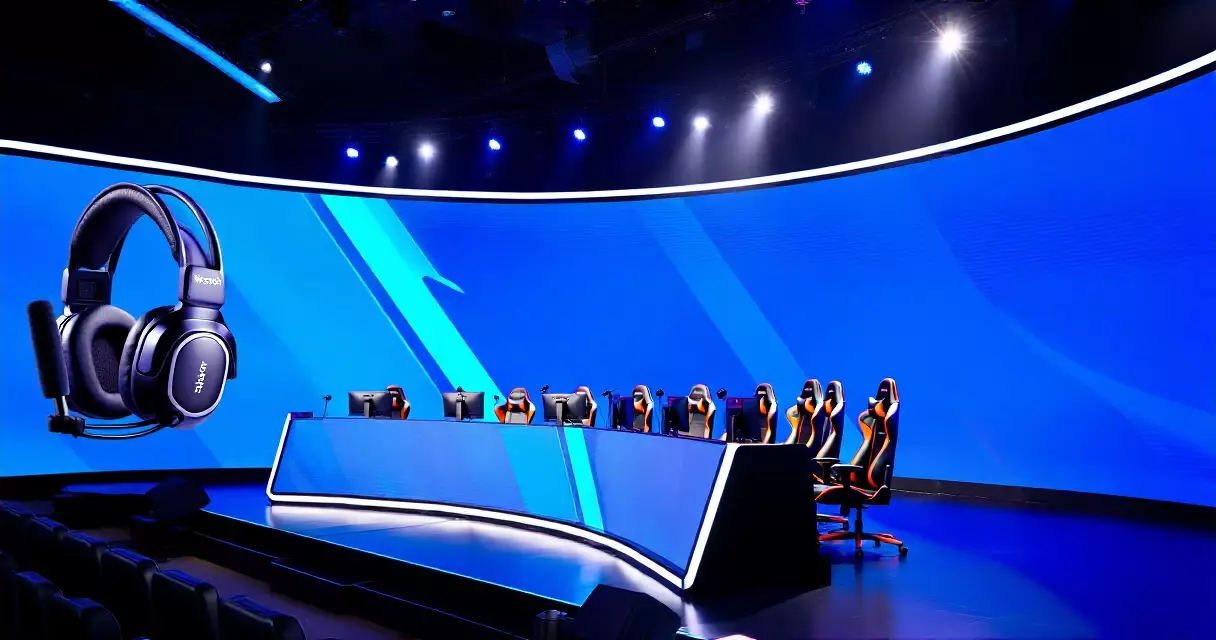
The brand’s sponsorship footprint grew alongside the Cloud headset’s success. Early team tie-ins gave way to a broader push into individual creators, and HyperX leaned into ambassador rosters rather than betting everything on a single championship squad. The 2018 opening of the Esports Arena Las Vegas at the Luxor, later rebranded with HyperX naming rights, marked the brand’s move from gear supplier to venue-level partner, a roughly 30,000 square foot facility on the Strip described by The Verge.
HP’s 2021 purchase accelerated that arc. With a Fortune 100 parent and its global distribution behind it, HyperX gained the balance sheet to sustain long ambassador programs and arena commitments that smaller endemic brands struggle to fund. The shift mirrors a wider trend in the category, where peripheral makers compete less on one-off jersey logos and more on always-on creator ecosystems. Readers comparing brand-deal mechanics can see the full spread in our explainer on types of esports sponsorships.
The HyperX Roster and Creator Strategy
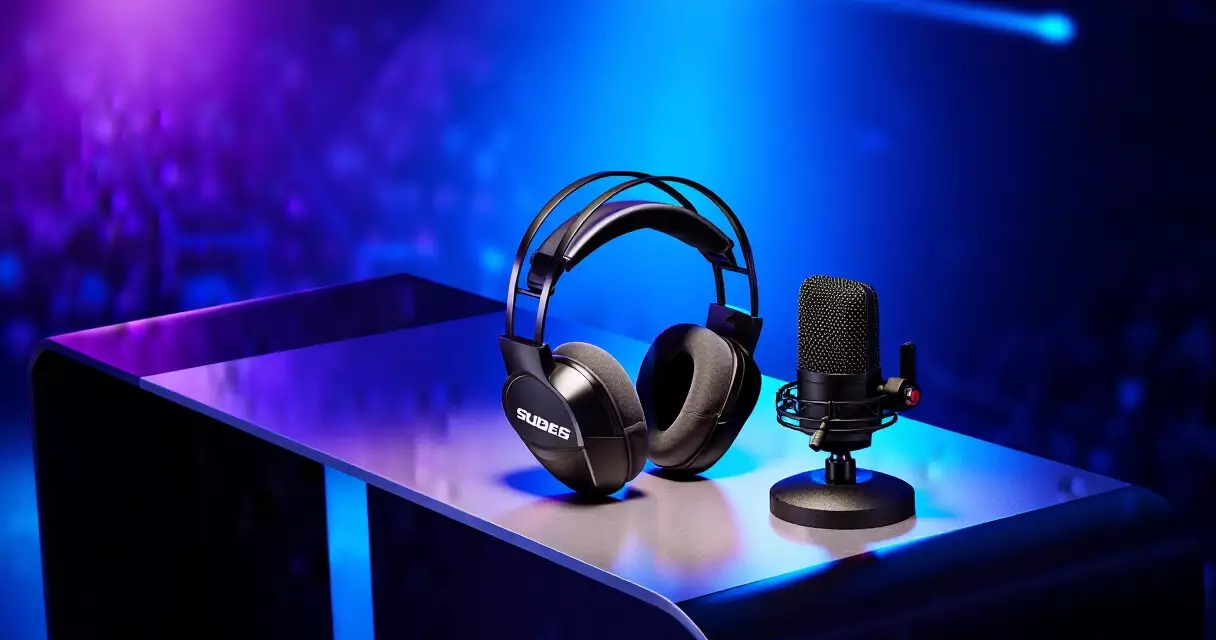
HyperX built its reputation on breadth. Rather than concentrate spend on one marquee organization, the brand maintains a large stable of sponsored content creators and streamers, the so-called HyperX Family, alongside selective team and event partnerships. The microphone line, especially the QuadCast, turned the brand into a default fixture on streaming desks, which extends visibility well beyond stage broadcasts into everyday Twitch and YouTube content.
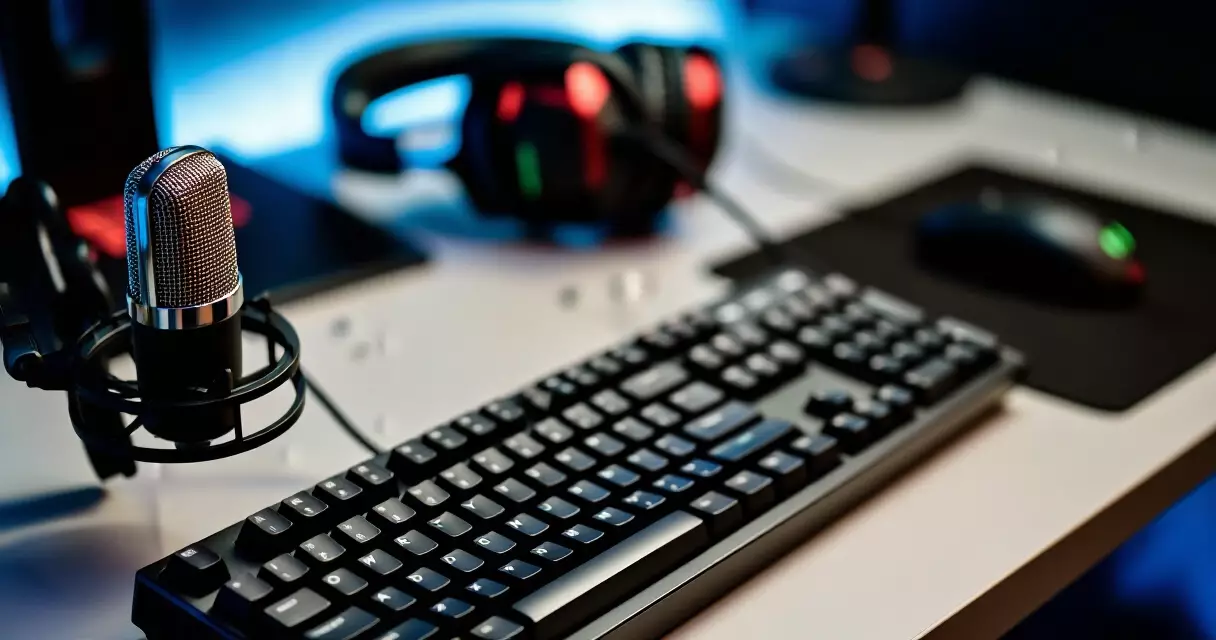
HyperX wins on the desk, not just the stage: its real estate is the streamer’s microphone arm, visible every day to audiences a single tournament cannot reach.
That model trades depth for surface area. A brand pouring its budget into one elite roster, the way some non-endemic backers do, can claim tighter association with winning. HyperX instead spreads itself across many smaller creators, accepting weaker per-deal control in exchange for constant, distributed exposure. Teams evaluating which approach fits their own audience should weigh that against the frameworks in our guide to measuring esports sponsorship ROI.
Specs and Deal Structure at a Glance
| Attribute | Detail |
|---|---|
| Parent company | HP Inc. (acquired 2021) |
| Origin | Kingston Technology brand, founded 2002 |
| Core product categories | Headsets, keyboards, mice, microphones, accessories |
| Flagship venue | HyperX Esports Arena Las Vegas, Luxor |
| Primary sponsorship model | Creator and ambassador roster plus event and venue deals |
| Typical deliverables | Product seeding, logo placement, co-branded content, gear discounts |
Most HyperX partnerships blend in-kind value with cash. A team or creator typically receives gear, co-marketing, and a fee, while granting logo rights and content obligations in return. The exact mix is rarely public, which is normal for endemic deals and a reason contracts deserve close reading, as covered in our breakdown of esports sponsorship contract terms.
Pricing and Sponsorship Value
HyperX does not publish a rate card, and individual deal values stay confidential. What can be assessed is relative tier. Endemic peripheral sponsorships generally sit below the headline figures that telecoms, automakers, or financial brands pay for league title rights, because much of the value is delivered as product and content rather than pure cash. The table below frames the typical value bands rather than naming specific signed numbers, which are not disclosed.
| Partnership tier | What it usually includes | Value character |
|---|---|---|
| Individual creator | Gear, affiliate codes, co-branded content | Mostly in-kind, modest cash |
| Team gear partner | Equipment supply, jersey or stream branding | Mixed in-kind and cash |
| Event or venue deal | Naming rights, broadcast presence, on-site activation | Largest cash commitment |
For organizations trying to benchmark what a peripheral partner should be worth to them, our analysis of how much esports sponsorship deals are worth offers comparison points across categories. Against the broader market, where the global esports audience reached roughly 640 million in 2025 per Newzoo estimates, even an in-kind-heavy endemic deal can deliver strong cost-per-impression value.
Pros and Cons of a HyperX Partnership
The strengths are reach, credibility, and stability. HyperX gear is genuinely used by pros, so association feels authentic rather than bolted on. HP ownership gives the brand financial durability, and the creator-first model means even mid-tier partners get real distribution. The QuadCast and Cloud lines carry strong consumer recognition, which lends a partner reflected brand equity.
The limits are equally clear. Cash-hungry organizations may find endemic deals lean heavily on product value rather than the large payments a non-endemic title sponsor can offer. The crowded ambassador roster dilutes exclusivity, so no single creator owns the brand association. Competition from Logitech G, Razer, and SteelSeries is fierce, and a team courting one is usually courting all four. Exclusivity clauses can also lock a partner out of rival gear that players personally prefer.
Endemic sponsorship is a trade: you give up a bigger cash check for a partner whose product your audience actually wants to buy.
HyperX vs. Rival Endemic Sponsors
HyperX competes in a tight pack of hardware brands chasing the same teams and creators. Each brings a different signature strength, and the comparison below sketches how they line up. For a closer look at one direct rival, see our review of Logitech G as an esports sponsor.
| Brand | Parent | Signature asset | Sponsorship emphasis |
|---|---|---|---|
| HyperX | HP Inc. | Microphones and headsets | Creators and venue |
| Logitech G | Logitech | Mice and keyboards | Teams and leagues |
| Razer | Razer Inc. | Full ecosystem | Teams and lifestyle |
| SteelSeries | GN Group | Headsets and mice | Teams and pros |
HyperX’s distinguishing edge is the microphone-and-desk presence that keeps it visible in everyday streams, not only on competition stages. Where Logitech G has historically leaned into team and league deals, HyperX has skewed toward the creator economy and the Las Vegas venue. Neither approach is strictly better; they suit different sponsorship goals, a point worth testing against your own audience data and the rosters of organizations like Cloud9.
Who HyperX Sponsorship Fits Best
HyperX is a strong match for content-heavy organizations and streamers whose value to a sponsor is everyday viewership rather than a single trophy. Teams that need authentic gear their players genuinely want to use, plus reliable product supply and co-branded content, will find the package well suited. Brands chasing the largest possible cash injection, or seeking exclusive sole-sponsor status, should temper expectations: the endemic model and crowded roster work against both. As a venue and creator partner backed by HP, HyperX is best read as a stable, reach-driven sponsor rather than a single big-cash patron.
Frequently Asked Questions
Is HyperX an endemic esports sponsor?
Yes. HyperX is a textbook endemic sponsor, meaning it makes products the audience and the players actually use, in this case gaming headsets, keyboards, mice, and microphones. Endemic sponsors differ from non-endemic brands such as banks or energy drinks because the connection between sponsor and sport is the gear itself. That overlap lets HyperX convert visibility into product sales more directly, and it is why the brand seeds equipment to teams and creators rather than relying only on logo placement. The endemic label also shapes deal value, which tends to mix in-kind product with cash.
Who owns HyperX now?
HP Inc. owns HyperX. The company acquired the brand from Kingston Technology in a deal worth about $425 million, announced in February 2021 and reported by Reuters. Before that, HyperX had operated as a Kingston product line since 2002, originally focused on high-performance memory before expanding into gaming peripherals. HP’s ownership matters for sponsorship because it gives HyperX a Fortune 100 balance sheet and global distribution, which supports long-running ambassador programs and venue commitments that smaller independent brands often cannot sustain through market downturns.
What is the HyperX Esports Arena Las Vegas?
The HyperX Esports Arena Las Vegas is a dedicated competitive gaming venue located at the Luxor hotel on the Strip. It opened in 2018 as the Esports Arena Las Vegas, a roughly 30,000 square foot facility described by The Verge, and later took on HyperX naming rights. The venue gives the brand a permanent physical presence in esports, hosting tournaments, broadcasts, and fan events. Naming rights of this kind represent the largest cash tier of HyperX’s sponsorship activity, well above the in-kind value that defines its individual creator deals.
How does a team get a HyperX sponsorship?
Teams and creators typically approach HyperX, or are scouted, on the strength of audience reach and content output rather than competitive results alone. Because the brand favors a broad creator roster, mid-tier streamers with engaged communities can be viable partners, not only championship organizations. A pitch usually needs clear audience metrics, a content plan, and an explanation of how the partnership serves both sides. The general process mirrors the steps in our guide on how to get an esports sponsorship, including building a media kit and demonstrating measurable engagement before any outreach.
Is a HyperX deal mostly cash or product?
It depends on the tier. Individual creator deals lean heavily on in-kind value, meaning gear, affiliate codes, and co-branded content with a modest cash component. Team gear partnerships blend product supply with cash, while event and venue deals such as the Las Vegas arena carry the largest cash commitments. Exact figures are not disclosed, which is standard for endemic sponsorships. The practical takeaway is that product value should be counted as real budget: supplied equipment removes a hard cost from a team’s books even when the cash portion is small.
How does HyperX compare to Logitech G and Razer?
All three are leading endemic sponsors that frequently chase the same teams and creators, so the differences are matters of emphasis. HyperX is strongest in microphones and headsets and skews toward the creator economy plus its Las Vegas venue. Logitech G has historically leaned into team and league deals built around its mice and keyboards. Razer pushes a full-ecosystem, lifestyle-driven approach. None holds a decisive edge across the board, so the right fit depends on whether your priority is everyday stream visibility, league-level association, or broad brand lifestyle alignment.
Why do brands sponsor esports at all?
Brands sponsor esports to reach a large, young, and hard-to-target audience that traditional media struggles to capture. The global esports audience reached roughly 640 million in 2025 by Newzoo estimates, and much of it skews toward viewers who avoid conventional advertising. For an endemic brand like HyperX, the appeal is sharper still, because the audience is the exact buyer of its products. Sponsorship also builds credibility: seeing pros use the gear signals quality in a way a standard ad cannot, which is why product seeding sits at the center of HyperX’s strategy.
Sources
- Reuters – HP to acquire HyperX for $425 million: https://www.reuters.com/technology/hp-acquire-gaming-gear-maker-hyperx-425-million-2021-02-22/
- Wikipedia – HyperX: https://en.wikipedia.org/wiki/HyperX
- The Verge – Esports Arena Las Vegas at the Luxor: https://www.theverge.com/2018/3/9/17103138/esports-arena-las-vegas-luxor-hotel-casino
- Wikipedia – Esports: https://en.wikipedia.org/wiki/Esports
- HP Inc. Newsroom – HyperX acquisition announcement: https://press.hp.com/us/en/press-releases/2021/hp-to-acquire-hyperx.html
Top Esports Organizations 2026: Teams, Rosters, and Performance Rankings