

Summary
The global esports audience surpassed 500 million viewers in 2023 according to Newzoo's Global Esports & Live Streaming Market Report, yet the venues hosting live events still puzzle many outside the industry: how does an arena built around video games...
Table of contents
- 1 The Esports Venue Landscape in 2026
- 2 Revenue Stream 1: Ticket Sales and Live Attendance
- 3 Revenue Stream 2: Sponsorship and Brand Partnerships
- 4 Revenue Stream 3: Media Rights and Broadcast Fees
- 5 Revenue Stream 4: Food, Beverage, and Merchandise
- 6 Revenue Stream 5: Private Events, Rentals, and Non-Esports Programming
- 7 Esports Venue Revenue Breakdown: A Comparative Table
- 8 ROI and Profitability: What the Numbers Actually Look Like
- 9 Esports Venue Ticket Pricing: A Detailed Breakdown
- 10 The Role of Game Publishers in Venue Revenue
- 11 Frequently Asked Questions
- 11.1 How much revenue does a typical esports venue generate per year?
- 11.2 What percentage of esports venue revenue comes from ticket sales?
- 11.3 Are esports venues profitable?
- 11.4 How do esports venues attract sponsors?
- 11.5 What is the biggest risk to an esports venue’s business model?
- 11.6 How does F&B revenue at esports venues compare to traditional sports venues?
- 11.7 Do esports venues share in broadcast rights revenue?
- 11.8 How important are gaming lounges and pay-to-play areas to venue revenue?
- 12 Sources
The global esports audience surpassed 500 million viewers in 2023 according to Newzoo’s Global Esports & Live Streaming Market Report, yet the venues hosting live events still puzzle many outside the industry: how does an arena built around video games actually generate enough cash to cover its costs? The answer is a layered revenue stack that looks surprisingly similar to traditional sports venues – but with several digital-native income lines that traditional arenas cannot replicate.
The Esports Venue Landscape in 2026
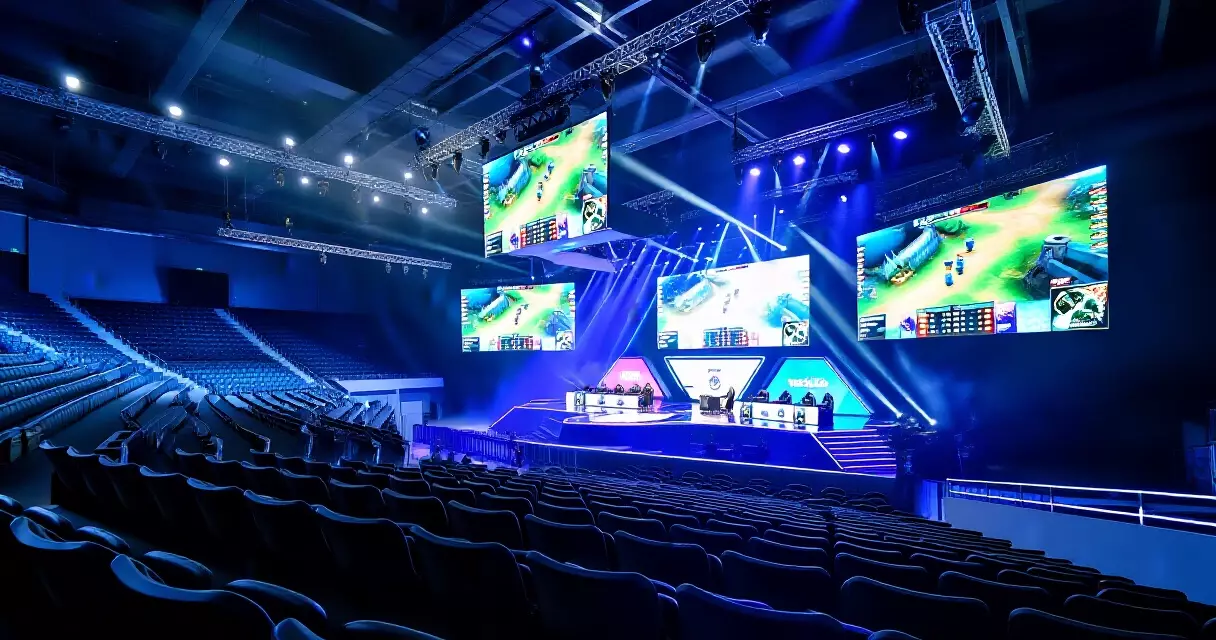
Purpose-built esports venues now exist on every continent, ranging from intimate 300-seat broadcast studios to the 7,000-seat Esports Stadium Arlington in Texas – the largest dedicated esports facility in North America. These buildings were designed from the ground up to host competitive gaming, which means their revenue architecture differs meaningfully from a retrofitted convention hall or a rented NBA arena.
Understanding how these venues make money matters because the viability of live esports as a format depends entirely on whether physical venues can sustain themselves between flagship events. The business model has matured considerably since the first wave of esports arenas opened around 2017–2018, and operators have learned which revenue lines are reliable and which are volatile.
Revenue Stream 1: Ticket Sales and Live Attendance
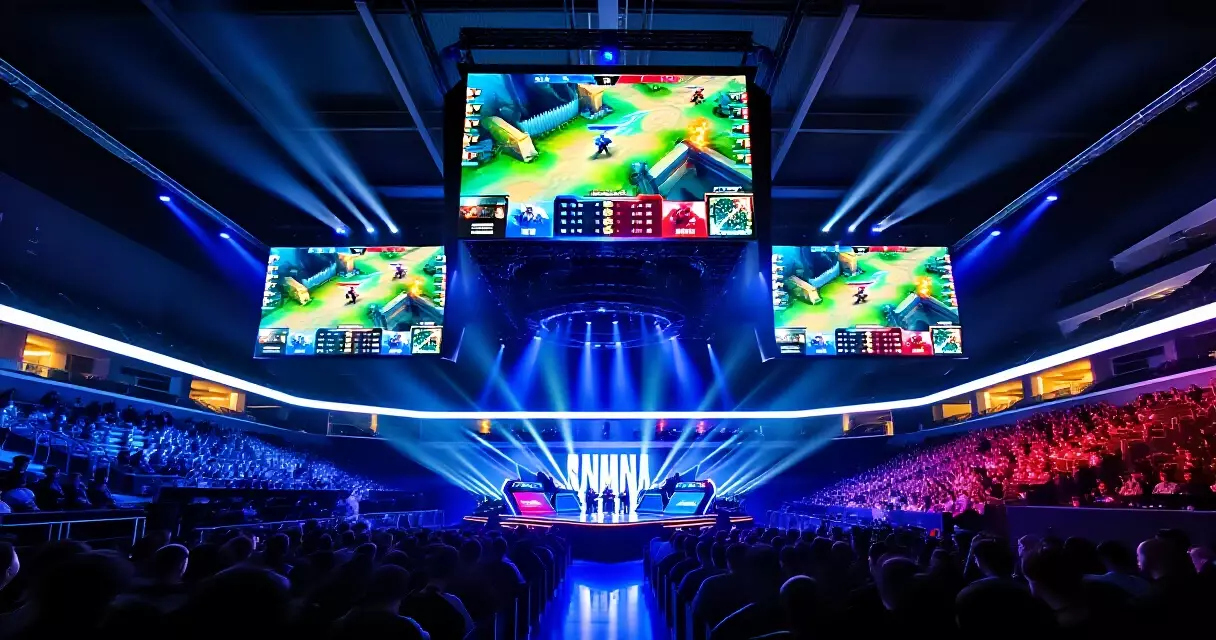
Ticket sales are the most visible revenue line for any venue, but at esports arenas they tend to be a smaller share of total income than traditional sports fans might expect. Prices vary widely depending on the event tier. A regional qualifier for a mid-level title might price general admission at $20–$40. A championship weekend for a tier-one property like the League of Legends World Championship or The International can push floor tickets past $150 and VIP packages into the $500–$1,000 range.
Several structural factors cap ticket revenue at esports venues. First, the audience skews younger than traditional sports crowds, and younger consumers have lower discretionary income. Second, many esports events are watched online for free, which reduces the perceived value of attending in person unless the live experience is genuinely superior. Third, capacity at dedicated esports venues is smaller than multipurpose arenas – 2,000–7,000 seats is the typical range, compared to 15,000–20,000 for an NBA arena.
To compensate, operators have invested heavily in premium seating tiers. VIP sections with dedicated servers, lounge access, and branded merchandise bundles can generate three to five times the per-seat revenue of general admission. Some venues have introduced season-pass models borrowed from traditional sports, offering fans guaranteed seats to all events hosted at the venue for an annual fee.
Revenue Stream 2: Sponsorship and Brand Partnerships
Sponsorship is the engine of the esports venue economy. At the largest dedicated venues, brand partnerships account for 40–60% of total revenue, according to Newzoo’s market analyses. Companies pay for naming rights, in-venue signage, on-stream logo placement, activation space on the event floor, and co-branded content that reaches both the live crowd and the broadcast audience.
Naming rights deals at esports-specific venues have ranged from modest agreements to multi-million-dollar multi-year contracts. The Riot Games Arena in Los Angeles, purpose-built for the League of Legends Championship Series, operates under a model where the game publisher owns the venue directly, collapsing the typical sponsor-venue relationship into a single entity. More commonly, an independent venue operator sells naming rights to a peripheral or hardware brand – companies like Intel, Alienware, Corsair, and Red Bull have all signed venue sponsorship deals in the US market.
In-venue sponsorship inventory goes well beyond a logo on the scoreboard. A typical esports arena sells: sponsored player cam feeds, branded countdown clocks, custom sponsor segments during broadcast breaks, sponsored PC and peripherals stations that fans can try, and sponsored Wi-Fi networks that require email opt-in. Each of these touchpoints carries a separate line-item price, allowing sponsors to build packages tailored to their marketing objectives.
Sponsorship is not a side line at an esports venue – it is the primary product being sold, with the audience as the proof of reach delivered to the brand.
Revenue Stream 3: Media Rights and Broadcast Fees
Unlike traditional sports venues, where broadcast rights are typically held by leagues, many esports venues have a share in the broadcast production that takes place inside their walls. A venue that invests in professional-grade production infrastructure – broadcast-quality cameras, a broadcast control room, dedicated streaming hardware – can charge event organizers a production services fee on top of the base venue rental. Some venues operate their own streaming channels on Twitch or YouTube, capturing ad revenue from matches they host.
The more sophisticated model involves the venue becoming a co-producer of the broadcast, taking a revenue share from media licensing rather than a flat production fee. This aligns the venue’s financial incentives with viewership growth, creating an incentive to invest in production quality. Venues in South Korea and China pioneered this model, and it has gradually migrated to North American operators.
Broadcast rights valuations in esports remain lower than traditional sports, but they are growing. Amazon’s Twitch signed exclusive broadcast deals for League of Legends Championship Series events at approximately $90 million over three years – figures reported by The Esports Observer before its closure and subsequently cited in Wikipedia’s League of Legends Championship Series article. As these rights values climb, venues with co-production arrangements stand to gain proportionally.
Revenue Stream 4: Food, Beverage, and Merchandise
Food and beverage (F&B) is a well-understood revenue pillar at traditional sports venues, contributing 20–35% of per-event gross revenue in the NBA and NFL according to PwC’s Sports Survey series. Esports venues are adopting the same logic, but with product lines tailored to gaming culture: energy drinks, branded cocktails tied to game titles, themed menu items that change seasonally alongside game releases.
The challenge is throughput. Esports events draw audiences that skew toward snacking rather than full meals, and the event schedule – long matches with unpredictable durations – makes predictable concession rushes harder to manage than a halftime break. Venues that have solved this tend to use mobile ordering apps tied to seat delivery, reducing queue friction and increasing average transaction value.
Merchandise is a meaningful but volatile revenue line. Official team jerseys, limited-edition prints, and co-branded venue apparel can sell briskly at major events but produce little revenue during off-peak periods. Many venues operate online stores to extend merchandise revenue beyond event days, often partnering with tournament organizers to sell exclusive event-day drops that can only be purchased in-venue, driving foot traffic and purchase urgency simultaneously.
Revenue Stream 5: Private Events, Rentals, and Non-Esports Programming
A dedicated esports venue sits empty between scheduled tournaments unless operators actively fill the calendar. Private event rentals – corporate team-building, product launch parties, college gaming nights, birthday events, and LAN parties for amateur players – provide a steady baseline revenue stream that makes the economics of the facility more predictable.
Corporate clients in particular have proven to be high-value customers. A multinational technology company renting a 2,000-seat esports arena for a product launch gets a visually striking, tech-forward venue with built-in AV infrastructure, staging, and LED displays. The same setup that hosts a major gaming tournament provides an instantly impressive environment for a keynote address or experiential marketing event.
Some venues have gone further, programming non-gaming entertainment to fill off-peak windows: live music, comedy shows, film screenings, and fan conventions. The LED display technology and acoustics optimized for esports translate naturally to other live entertainment formats. This diversification reduces dependence on esports event calendars, which can be irregular and subject to game publisher decisions outside the venue operator’s control. You can read more about the infrastructure investments that make these flexible uses possible in our guide to esports venue technology requirements.

Esports Venue Revenue Breakdown: A Comparative Table
The revenue mix varies significantly by venue type. A small broadcast studio operates very differently from a large multi-purpose arena. The table below shows estimated percentage contributions per revenue stream by venue scale, based on industry analyst estimates from Newzoo and PwC Sports Survey data.
| Revenue Stream | Small Studio (under 500 seats) | Mid-Tier Venue (500–2,000 seats) | Large Arena (2,000+ seats) |
|---|---|---|---|
| Ticket Sales | 5–10% | 15–25% | 20–30% |
| Sponsorship / Brand Deals | 50–65% | 40–55% | 35–50% |
| Media Rights / Broadcast Fees | 20–30% | 10–20% | 5–15% |
| Food, Beverage & Merchandise | 2–5% | 10–18% | 18–28% |
| Private Events & Rentals | 5–15% | 10–20% | 10–20% |
The pattern is clear: as venue size increases, ticket sales and F&B become more significant because larger crowds generate meaningful gross spend. Smaller studios lean heavily on sponsorship and broadcast fees because their live audience is small but their on-screen presence can still reach millions of online viewers.
ROI and Profitability: What the Numbers Actually Look Like
Esports venue profitability is notoriously difficult to assess because operators rarely publish detailed financial statements. However, several datapoints are in the public record. Esports Stadium Arlington, which opened in 2018, was developed at a cost of approximately $10 million according to the City of Arlington’s public budget documents – relatively modest for a 7,000-seat purpose-built venue because it was built inside an existing convention center shell. That lower capital cost reduced the payback threshold significantly compared to ground-up construction.
Industry analysts at PwC estimated in their 2022 Sports Survey that a mid-tier esports venue hosting 30–40 event days per year, with average attendance of 1,500 and a blended revenue of $85 per attendee across all streams, would generate approximately $3.8–5.1 million in annual gross revenue. Operating costs for a venue of that scale – staff, utilities, maintenance, insurance, technology refresh – typically run $2–3 million per year, leaving an operating margin of 20–40% before debt service and depreciation.
Ground-up construction changes the math dramatically. Building a dedicated esports venue from scratch can cost anywhere from $5 million for a small facility to $50 million or more for a large flagship arena. At that capital outlay, the payback period at typical operating margins stretches to 10–20 years, which is why most venues are developed with public funding partnerships, anchor tenant agreements with game publishers, or as loss-leader amenities inside larger mixed-use real estate developments.
The most financially successful esports venues are not pure esports venues – they are flexible entertainment facilities that use esports as their primary identity while keeping the calendar full with diverse programming.
Esports Venue Ticket Pricing: A Detailed Breakdown
Ticket pricing strategy is one of the most consequential operational decisions an esports venue operator makes. Price too high and you risk empty seats that undermine the broadcast atmosphere. Price too low and you leave revenue on the table that sponsors and premium-tier partners expect to see captured.
| Event Tier | General Admission | Mid-Tier / Priority Seating | VIP / Premium Package | Example Events |
|---|---|---|---|---|
| Regional Qualifier | $0–$25 | $30–$60 | $80–$150 | Open qualifiers, college esports regionals |
| National / Franchise League | $25–$60 | $65–$120 | $150–$400 | LCS, Overwatch League home matches |
| Major Championship | $60–$120 | $125–$250 | $350–$800 | ESL One majors, CS2 Majors, VCT Challengers |
| World Championship / Grand Final | $100–$200 | $220–$450 | $500–$1,500+ | LoL Worlds, The International (Dota 2), VCT Champions |
Dynamic pricing, used widely in traditional sports, is increasingly adopted by esports events. Tickets for high-demand playoff matches are repriced algorithmically as the event approaches, capturing willingness-to-pay from fans who commit late. This has been observed at major League of Legends and Valorant events where secondary market prices regularly exceed face value by 50–150%, prompting primary sellers to adopt demand-responsive pricing to capture more of that premium.
The venues that have mastered live event experience tend to command the highest ticket premiums. When the in-person experience – caster audio, screen quality, community atmosphere – substantially exceeds what a viewer can get at home, price resistance drops. This is why investment in AV quality and production value has a direct ROI line to ticket revenue, not just broadcast quality.
The Role of Game Publishers in Venue Revenue
One factor that distinguishes esports venues from traditional sports facilities is the outsized influence of game publishers on the entire revenue chain. Publishers like Riot Games (League of Legends, Valorant), Valve (CS2, Dota 2), Activision Blizzard (Call of Duty), and Electronic Arts (EA Sports FC) control the intellectual property that makes an esports event valuable. They set the competitive calendar, approve official event organizers, and in some cases own the venues themselves.
When a publisher owns its venue – as Riot Games does with its Los Angeles facility – it can optimize the entire ecosystem: the broadcast product, the in-venue experience, and the sponsorship packages are all designed in-house. Independent venue operators, by contrast, must negotiate with publishers for the right to host official events, and those negotiations can involve revenue-sharing arrangements that reduce the venue’s net take.
This publisher dependency is a real risk factor for venue operators. When Activision Blizzard restructured the Overwatch League in 2023, reducing it from a city-based franchise model with home venue requirements to a centralized production model, several team-operated facilities lost their anchor tenant. Diversified programming – hosting multiple titles and non-esports events – is the primary hedge against this concentration risk. Our overview of major esports arenas and championship venues shows how the most resilient facilities serve multiple publishers and event organizers.
Frequently Asked Questions
How much revenue does a typical esports venue generate per year?
Revenue varies widely by size and programming density. A small broadcast studio hosting 20–30 event days per year might generate $500,000–$2 million annually from a combination of production fees, sponsorships, and limited ticketing. A mid-tier dedicated venue (500–2,000 seats) with a robust event calendar can generate $3–8 million in gross revenue. A large flagship arena like Esports Stadium Arlington, hosting 50+ event days per year with consistent sponsorship commitments, could reach $10–20 million in gross revenue. These figures are estimates based on publicly available event pricing and industry analyst reports from Newzoo and PwC; venues rarely publish detailed financial statements.
What percentage of esports venue revenue comes from ticket sales?
At most dedicated esports venues, ticket sales account for 15–30% of total gross revenue. This share is lower than traditional sports arenas (where ticketing can represent 40–50% of event revenue) because esports venues are smaller, ticket prices face downward pressure from a younger audience demographic, and competing free online broadcasts reduce the perceived value of in-person attendance for casual fans. Sponsorship typically contributes a larger share – often 40–55% at established venues – which inverts the revenue pyramid relative to conventional sports. Premium VIP packages and dynamic pricing are the primary tools operators use to increase the ticket revenue share without raising general admission prices.
Are esports venues profitable?
Profitability depends heavily on capital structure and programming density. Venues housed in existing buildings with low construction costs – like Esports Stadium Arlington, which was built inside a convention center for approximately $10 million – can reach operating profitability within a few years if they maintain a full event calendar. Ground-up facilities with $30–$50 million construction costs face much longer payback periods, typically 10–20 years, and often rely on public subsidies or anchor publisher agreements to reach viability. The venues most consistently reported as financially healthy are those that diversify beyond pure esports programming, using their infrastructure for corporate events, concerts, and other live entertainment in between gaming tournaments.
How do esports venues attract sponsors?
Esports venues attract sponsors by demonstrating audience reach across two vectors: in-person attendance and online viewership. A venue hosting an event that draws 3,000 attendees and 200,000 concurrent online viewers is delivering a combined brand impression that many experiential marketing budgets find compelling. Venues package this reach into tiered sponsorship decks that include naming rights, on-screen placement, on-stage integration, branded activations, digital content, and data from sponsored Wi-Fi or app sign-ins. The most sought-after sponsor categories in esports are technology and peripherals (Intel, Alienware, Corsair, Logitech), energy and beverage brands (Red Bull, Monster, G Fuel), and increasingly financial services and automotive brands targeting the 18–35 male demographic.
What is the biggest risk to an esports venue’s business model?
The single biggest risk is publisher dependency. Because game publishers own the intellectual property behind every title, they control the event calendar and can restructure or cancel competitive leagues at any time. The Overwatch League’s 2023 shift away from city-based franchising eliminated home venue requirements for several teams, leaving some purpose-built facilities without their anchor tenant. The secondary risk is audience size stagnation: if esports live attendance plateaus or declines, the case for premium sponsorship rates weakens. Venue operators mitigate publisher dependency by hosting multiple titles and non-gaming events, and they hedge audience risk by investing in production quality that makes in-person attendance meaningfully superior to home viewing.
How does F&B revenue at esports venues compare to traditional sports venues?
Food and beverage revenue per attendee at esports venues is generally lower than at traditional sports venues. NBA and NFL arenas routinely generate $30–$50 in F&B spend per attendee, driven by alcohol sales, full meals, and long event durations. Esports events tend to feature shorter individual sessions (though full event days can run 8–10 hours), younger audiences with lower spending on alcohol, and a cultural preference for snack-style consumption over sit-down dining. Estimates from venue operator interviews suggest average F&B spend of $15–$25 per attendee at major esports events. Venues are closing this gap by introducing themed menus, mobile ordering with seat delivery, and premium bar areas that serve craft cocktails to older audience segments who are willing to spend more.
Do esports venues share in broadcast rights revenue?
It depends on the contractual arrangement between the venue, the event organizer, and the broadcaster. In most cases, broadcast rights are owned by the game publisher or the event organizer (such as ESL Gaming or FACEIT), not the venue itself. However, venues that invest in their own production infrastructure – cameras, control rooms, broadcast engineers – can charge production service fees that function as an indirect share of broadcast value. Some venues have negotiated co-production arrangements that include a percentage of streaming ad revenue. As esports media rights values grow – deals like Amazon’s approximately $90 million Twitch agreement for LCS broadcasting illustrate the scale involved – production-capable venues are increasingly pursuing more formal broadcast revenue-sharing arrangements.
How important are gaming lounges and pay-to-play areas to venue revenue?
Gaming lounges – areas where attendees can play on high-spec PCs or consoles during breaks or on non-event days – are a secondary but growing revenue line for some venues. Pricing typically runs $10–$20 per hour for access to premium hardware setups. More significantly, these areas serve as brand activation spaces for technology sponsors: Alienware, Intel, and Razer have all operated sponsored gaming lounge areas at major esports venues where fans can test unreleased products, with the brand paying for the floor space and hardware while the venue collects footfall data and dwell time metrics. This hybrid revenue model turns a traditional cost center (empty floor space) into an income-generating, sponsor-funded fan engagement zone.
Sources
- Newzoo Global Esports & Live Streaming Market Report 2023 – https://newzoo.com/resources/trend-reports/newzoos-global-esports-live-streaming-market-report-2023-free-version
- PwC Sports Survey: Outlook for the Sports Market – https://www.pwc.com/gx/en/industries/sports/publications/pwc-sports-survey.html
- Wikipedia: League of Legends Championship Series – https://en.wikipedia.org/wiki/League_of_Legends_Championship_Series
- City of Arlington, TX – Convention Center & Venue Development Documentation – https://www.arlingtontx.gov
- Statista: Esports Consumer Insights Report 2023 – https://www.statista.com/study/38262/esports-consumer-insights/
Top Esports Organizations 2026: Teams, Rosters, and Performance Rankings